
Introduction
Tokyo in winter moves differently.
Not fast. Not slow. Just precise — like a poem unfolding one line at a time. As you walk through Shinjuku’s neon corridors or Yanaka’s quiet alleys, you begin to notice something subtle: the city itself behaves like a haiku.
Short.
Intentional.
Layered with meaning.
This post explores how modern Tokyo mirrors the spirit of haiku — not through traditional verse, but through the way the city arranges light, sound, movement, and silence.
Micro‑Summary
This piece explores how Tokyo’s winter streets echo the structure of haiku — brief, intentional, sensory moments that reveal modern minimalism in motion.
Seeing the City in Three Lines
Haiku is not just a poetic form.
It’s a way of noticing.
- A single image
- A shift in perspective
- A quiet emotional echo
Tokyo offers these constantly, especially in winter.
You might see:
- A lone cyclist crossing a sunlit bridge
- Steam rising from a street‑side ramen pot
- A crow perched on a bare gingko branch
- A vending machine glowing in the cold
Each moment is a three‑line poem without words — a brief pause in the city’s rhythm.
For readers curious about the roots of haiku, the Haiku Museum in Matsuyama offers a beautiful overview of the form
Haiku in the city- Minimalism in Motion
Modern Tokyo is not minimalist in the Western sense.
It’s not empty.
It’s intentional.
Minimalism here is about clarity, not absence.
You notice it in:
- the clean geometry of train platforms
- the soft chime before doors close
- the way commuters stand in quiet lines
- the gentle bow exchanged between strangers
These are not aesthetic choices.
They’re cultural rhythms — small, precise gestures that create emotional order in a crowded city.
Three‑line rhythm of the city:
brevity with depth.

Winter Moments That Feel Like Poems
Winter sharpens the edges of the city.
It makes the small things louder.
Here are moments that feel like modern haiku:
1. Steam rising from a konbini bun
Warmth meeting cold air — a perfect seasonal contrast.
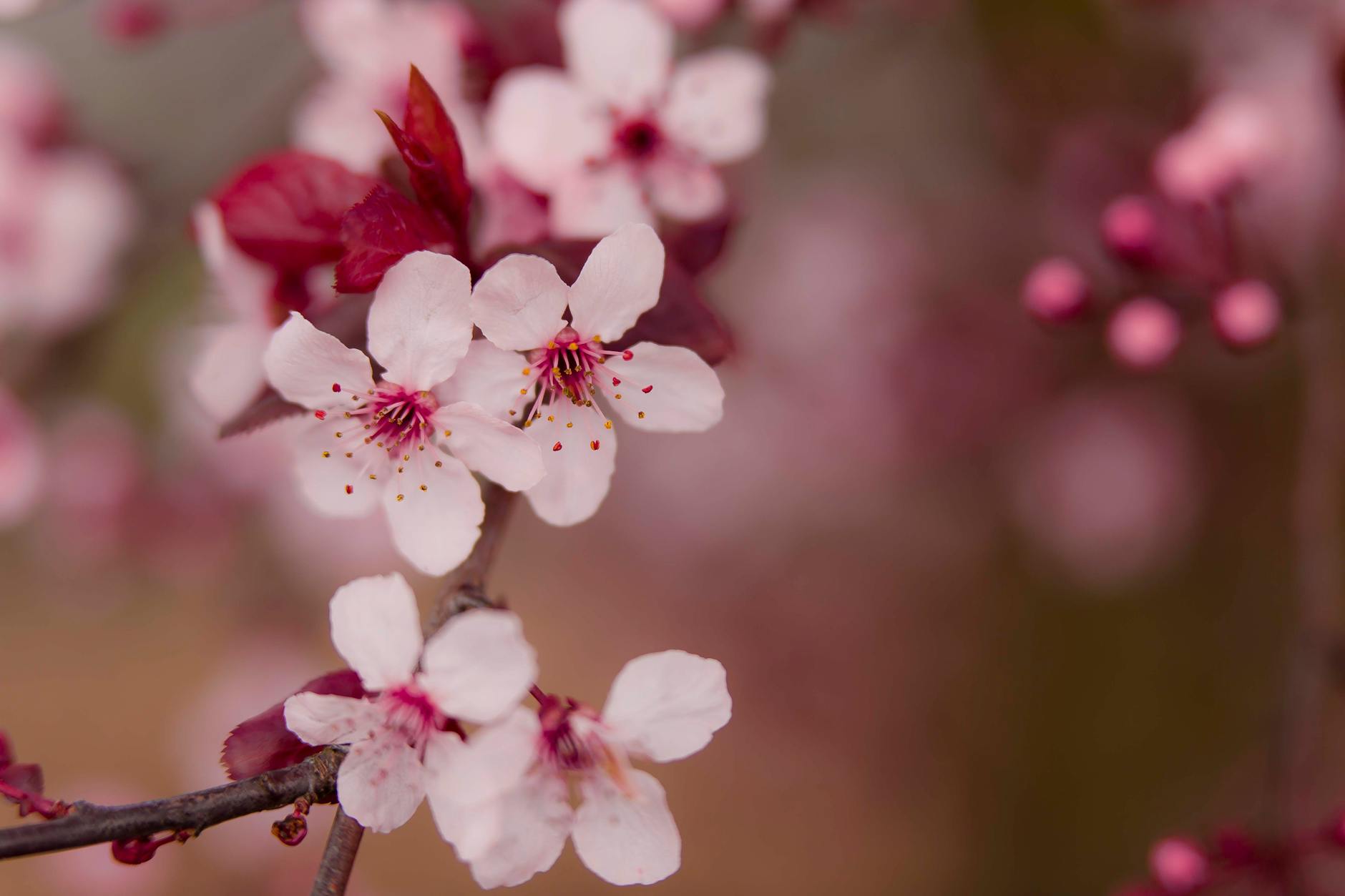
2. A single plum blossom opening early
A hint of spring inside winter’s stillness.
3. Footsteps on a quiet shrine path
Sound as texture, not noise.
4. Neon reflected in a puddle
Light bends into unexpected shapes.
5. A hot canned coffee warming your hands
A modern comfort with ancient simplicity.
Each one is a kigo — a seasonal marker — in the city’s unfolding poem.
Poetic city details
Haiku is often associated with nature, but its essence is attention.
And Tokyo, despite its scale, rewards attention more than any other city.
Haiku belongs here because:
- The city is built on micro‑rituals
- Winter slows the pace just enough to notice them
- Modern life still holds space for quiet beauty
- Minimalism is woven into everyday gestures
In this sense, Tokyo is not the opposite of haiku —
It is a haiku, expanded.
FAQ
1. Can haiku be inspired by cities?
Absolutely. Haiku is about attention, not scenery. Urban moments can be just as poetic as natural ones.
2. What makes Tokyo feel like a haiku?
Its precision, its quiet rituals, and its ability to reveal meaning through small, sensory details.
3. How can travellers practice haiku noticing?
Pause often. Observe one detail at a time. Let the moment be enough.
Closing Reflection
Tokyo teaches you that poetry doesn’t always live in words.
Sometimes it lives in the way light falls on a street corner,
or how steam curls into winter air,
or how a single blossom opens against the cold.
Haiku is not a poem you write.
It’s a moment you notice.
And in Tokyo, those moments are everywhere.
You might like to read 7 Japanese Ways to Notice Winter Stillness: A Traveller’s Quiet Guide
Quick Summary: Haiku in the City
- Tokyo’s winter rhythm mirrors the structure of haiku
- Modern minimalism appears in small, intentional gestures
- Urban moments become three‑line poems without words
- Winter sharpens sensory details: steam, light, footsteps, blossoms
- Haiku is a practice of attention, not scenery
- Tokyo becomes a living poem when you slow down enough to see it