
Introduction
Winter in Japan doesn’t arrive with drama. It slips in quietly — a shift in the air, a softening of sound, a gentler rhythm in the streets. If your Tokyo arrival was filled with movement and sensory bursts, this is the moment where everything slows.
This post explores what it means to notice like the Japanese do: with intention, with stillness, and with a deep respect for the small, almost invisible details that shape a season.
This piece explores how Japanese winter teaches you to notice — through small rituals, quiet rhythms, and the emotional architecture of everyday life.
What It Means to Notice Like the Japanese
The Japanese way of seeing is layered. It’s not just about what’s visible — it’s about what’s felt. In winter, this becomes even more pronounced. You begin to notice:
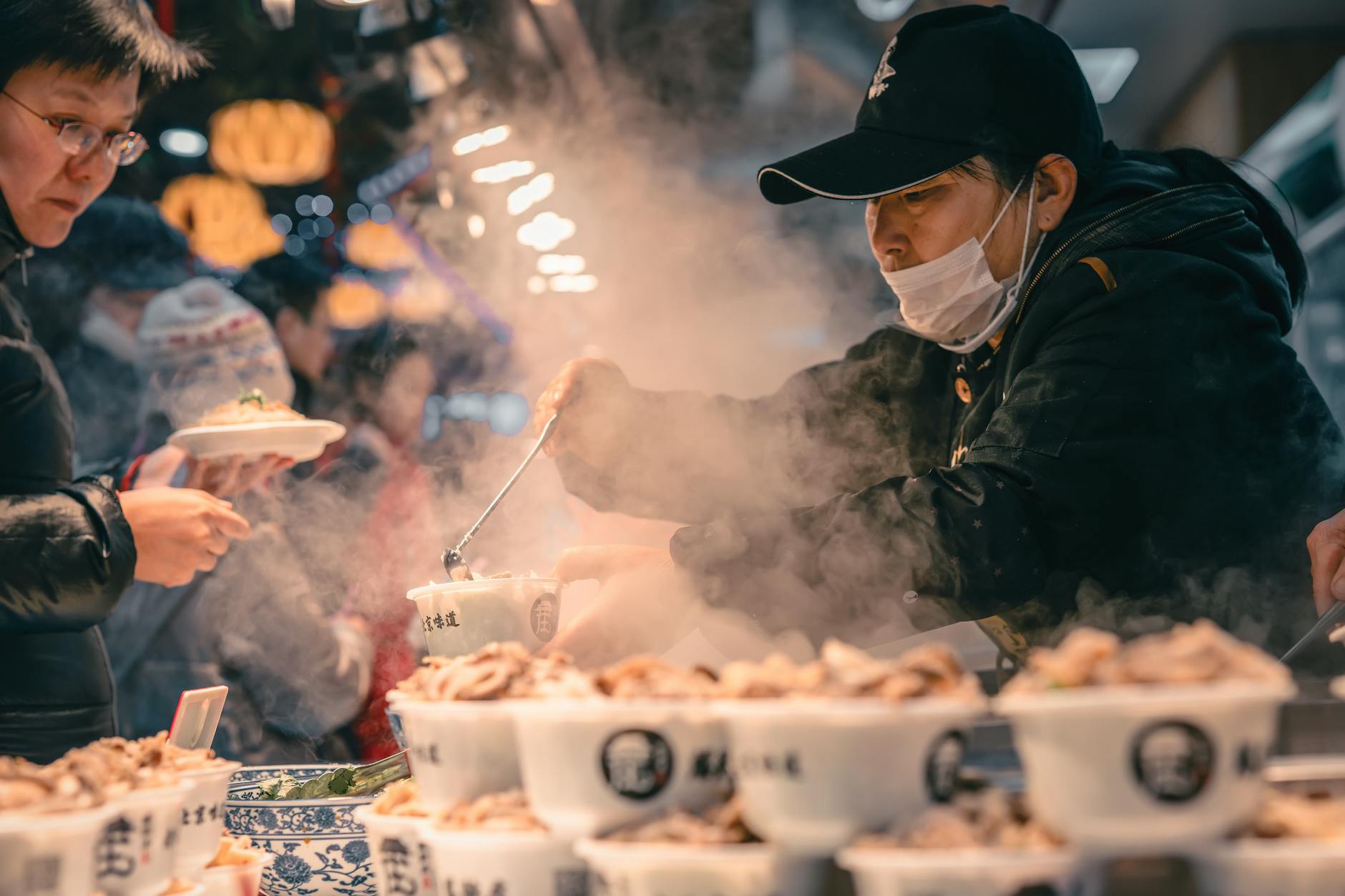
- The way steam rises from a bowl of oden
- The hush of snowfall in a temple courtyard
- The warmth of a kotatsu shared with family
- The quiet bow exchanged between strangers
This isn’t minimalism. It’s emotional architecture — a way of living that honors stillness. These are not dramatic moments. They’re micro‑experiences that reveal how Japanese culture values presence over pace.
Japanese Winter Stillness in Everyday Life
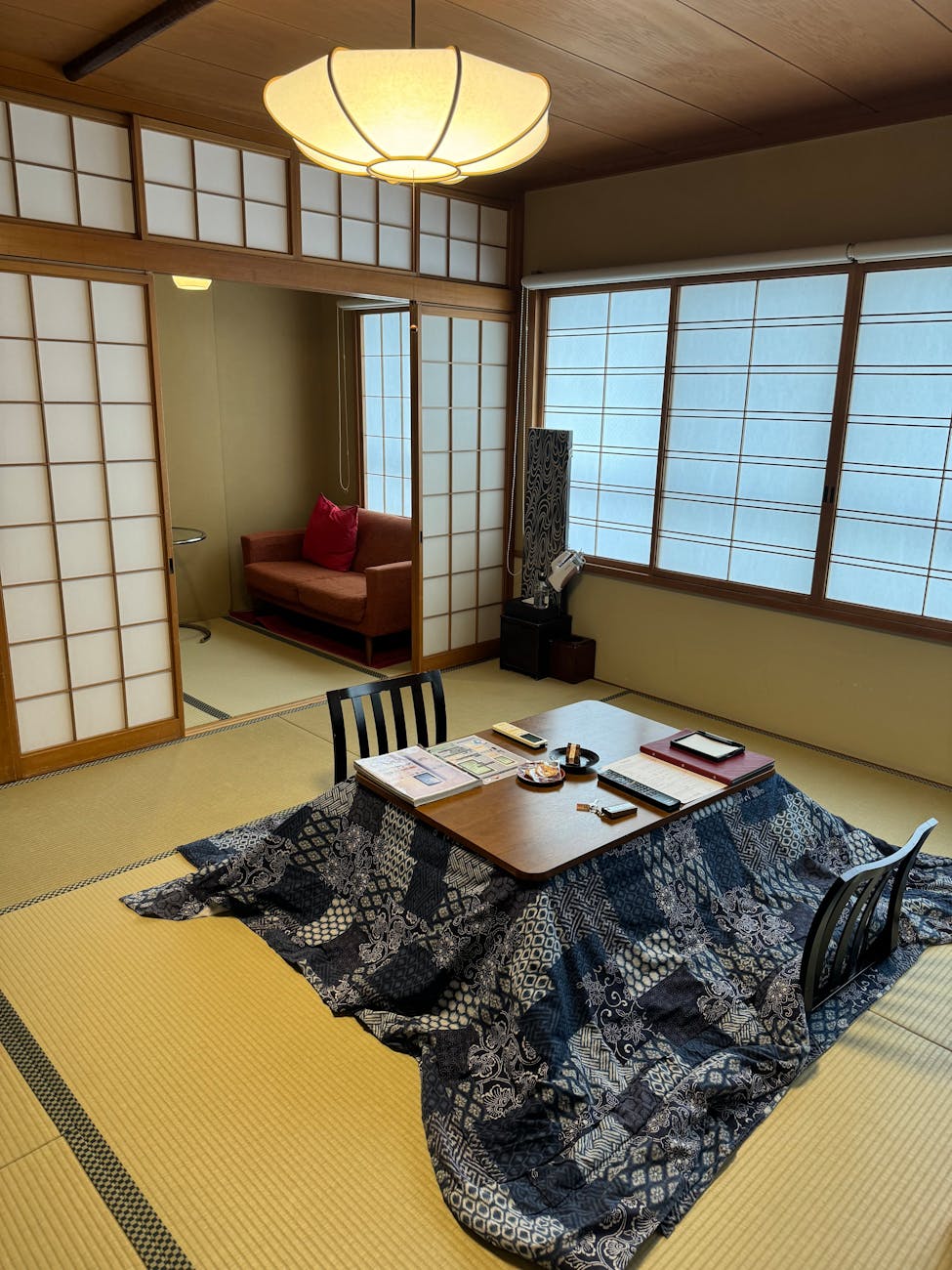
Japanese winter is filled with gentle comforts: kotatsu tables, hot water bottles, snow-viewing onsens, and seasonal foods like amazake and hot pot. But beyond the objects, it’s the pace that defines the season.
People move more slowly. Conversations soften. Even the air feels curated — dry, crisp, and clear.
In Tokyo, you might notice:
- Fewer crowds in parks
- Plum blossoms are beginning to bloom
- The quiet hum of heaters in konbinis
- Train melodies that sound like lullabies
These are the emotional cues that shape your Japanese winter experience — quiet, steady, and deeply grounding.
Micro-Rituals That Shape the Season
Japanese winter rituals are small but deeply felt. They teach you to slow down and observe:
- Warming your hands on a vending machine can
- Watching snow fall from an onsen window
- Eating taiyaki while walking through a quiet street
- Lighting a candle in a shrine at dusk
Each act is a form of noticing — a way to mark time, space, and emotion. These rituals are not tourist activities; they are cultural rhythms that reveal how Japanese people move through winter with intention.
For more on winter symbols, this guide is beautifully detailed: 50 Iconic Symbols of Japan’s Winter
For readers who enjoy food‑based travel, you can internally link to: “Tokyo Street Food Diaries — Part 1” (Food category).
Why Noticing Is a Cultural Skill
In Japanese culture, noticing is not passive. It’s an active practice tied to concepts like wabi‑sabi (beauty in imperfection) and ma (the space between things). Winter amplifies this. The cold slows you down. The quiet invites reflection. You begin to see not just what’s present — but what’s changing, what’s fading, what’s felt.
This is the emotional thread that connects your Tokyo arrival to your deeper experience of Japan.
❓ FAQ
1. What does “noticing” mean in Japanese culture?
It’s the practice of observing with emotional depth — noticing texture, silence, transitions, and impermanence.
2. What are examples of Japanese winter rituals?
Kotatsu gatherings, snow-viewing onsens, hot pot dinners, and quiet shrine visits are common Fun Japan
3. Is winter a good time to explore Japanese culture?
Yes. Winter slows everything down, making it easier to observe and absorb the emotional rhythm of daily life.
Closing Reflection
To travel through Japan in winter is to learn how to notice.
Not just sights — but silences. Not just food — but warmth. Not just movement — but stillness.
This is the Japanese lesson: that noticing is a form of presence.
And in winter, presence becomes poetry.
Quick Japanese Winter Noticing Summary
- Winter arrives quietly, shaping mood rather than scenery
- Stillness becomes a cultural rhythm, not an absence
- Every day life slows: softer conversations, gentler movement
- Micro‑rituals define the season — oden steam, kotatsu warmth, shrine candles
- Nature cues early transitions: plum blossoms, crisp dry air
- Noticing becomes an active cultural practice tied to wabi‑sabi and ma
- Winter deepens presence, turning small moments into emotional anchors