
Arrival in Tokyo, City of Precision
Tokyo Arrival First Impressions begin the moment the aircraft door opens. A soft, cool draft of winter air slips into the cabin — not harsh, not biting, but crisp enough to wake your senses. Narita or Haneda, it doesn’t matter; both airports move with a quiet choreography that feels almost meditative.
This guide captures the sensory and emotional details of arriving in Tokyo in winter — the precision, the quiet rhythms, and the small rituals that shape your first impressions.
There’s no shouting, no rushing, no frantic queues. Immigration lines glide forward with a calm efficiency that sets the tone for the entire city. Even the announcements feel gentle, as if designed to guide rather than command.
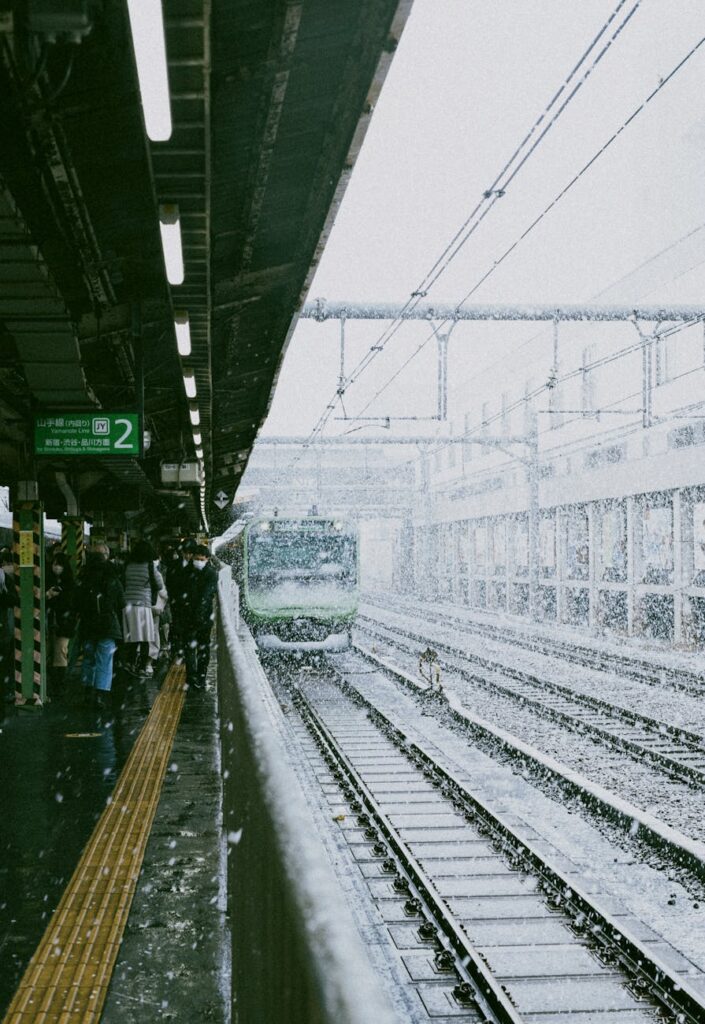
Tokyo in winter has a clarity that’s hard to describe. The light is clean, the air is sharp, and the city seems to whisper: slow down, look closely, notice everything.
If you’re exploring winter destinations more broadly, you can revisit my seasonal arc here: 👉 Global Winter Travel: 6 Places, 6 Winters
🧭 What You Notice First
Tokyo doesn’t overwhelm. It reveals itself in layers, each one more intentional than the last.
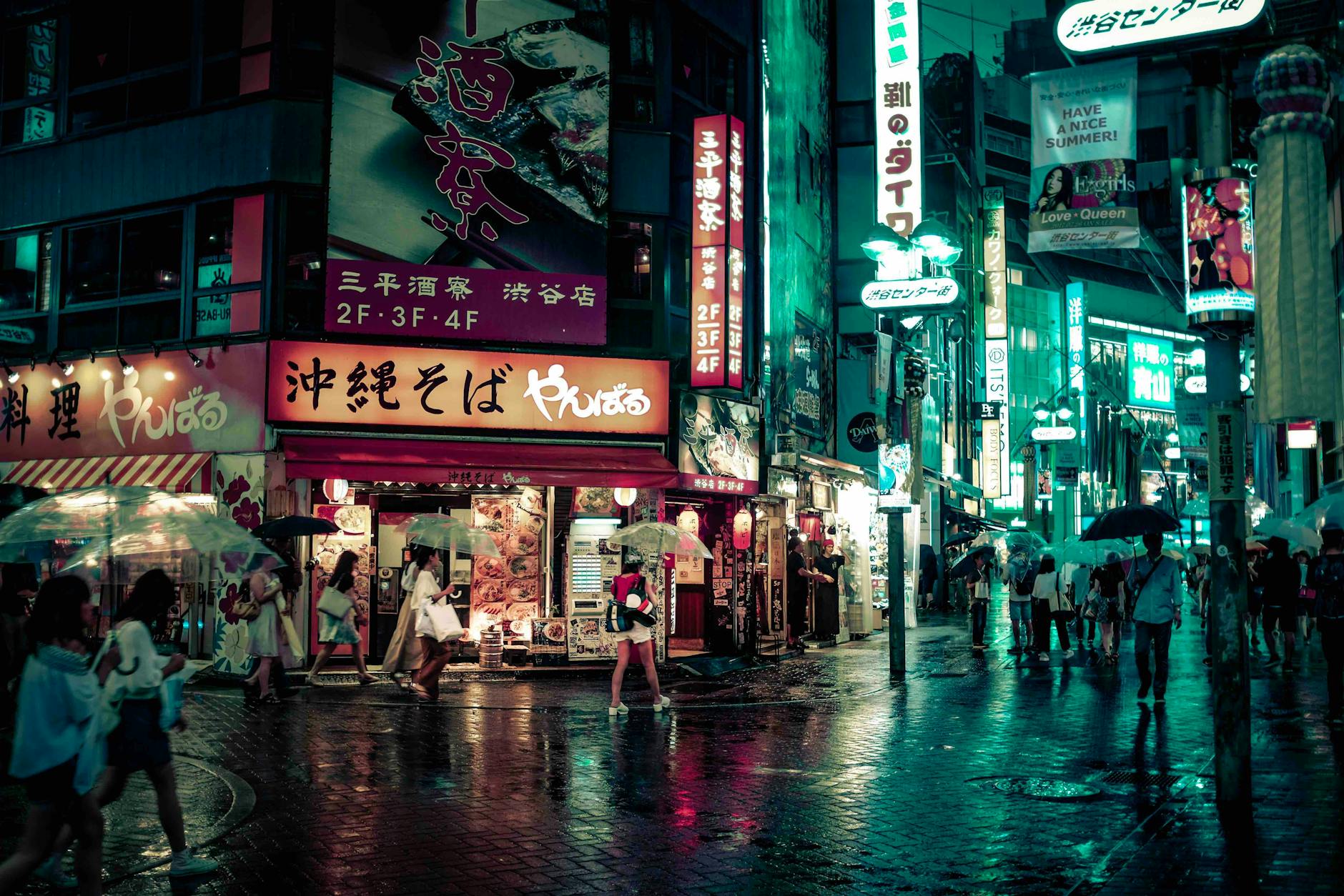
- Neon silence: The first contradiction you meet is visual brightness paired with acoustic calm. Neon signs glow like electric brushstrokes, yet the streets remain surprisingly quiet. Even Shinjuku — one of the busiest districts — feels orderly.
- People’s pace: Tokyoites move quickly, but never frantically. There’s purpose, but no push. You sense a collective rhythm, a shared understanding of space and flow.
- Textures and tiny rituals
- Wool coats brushing past
- The soft click of Suica cards at ticket gates
- Warm steam rising from ramen shops
- The gentle bow of a convenience store clerk
- The melodic chime of train doors closing
- These micro‑moments form the emotional architecture of your arrival — small, precise gestures that tell you more about the city than any landmark.
If you’re planning your first trip, the official Japan National Tourism Organization offers excellent practical guidance:
🍜 First Bites and Street Rituals
Your first meal in Tokyo is rarely a grand affair. It’s usually something warm, simple, and deeply comforting — the kind of food that feels like a welcome.
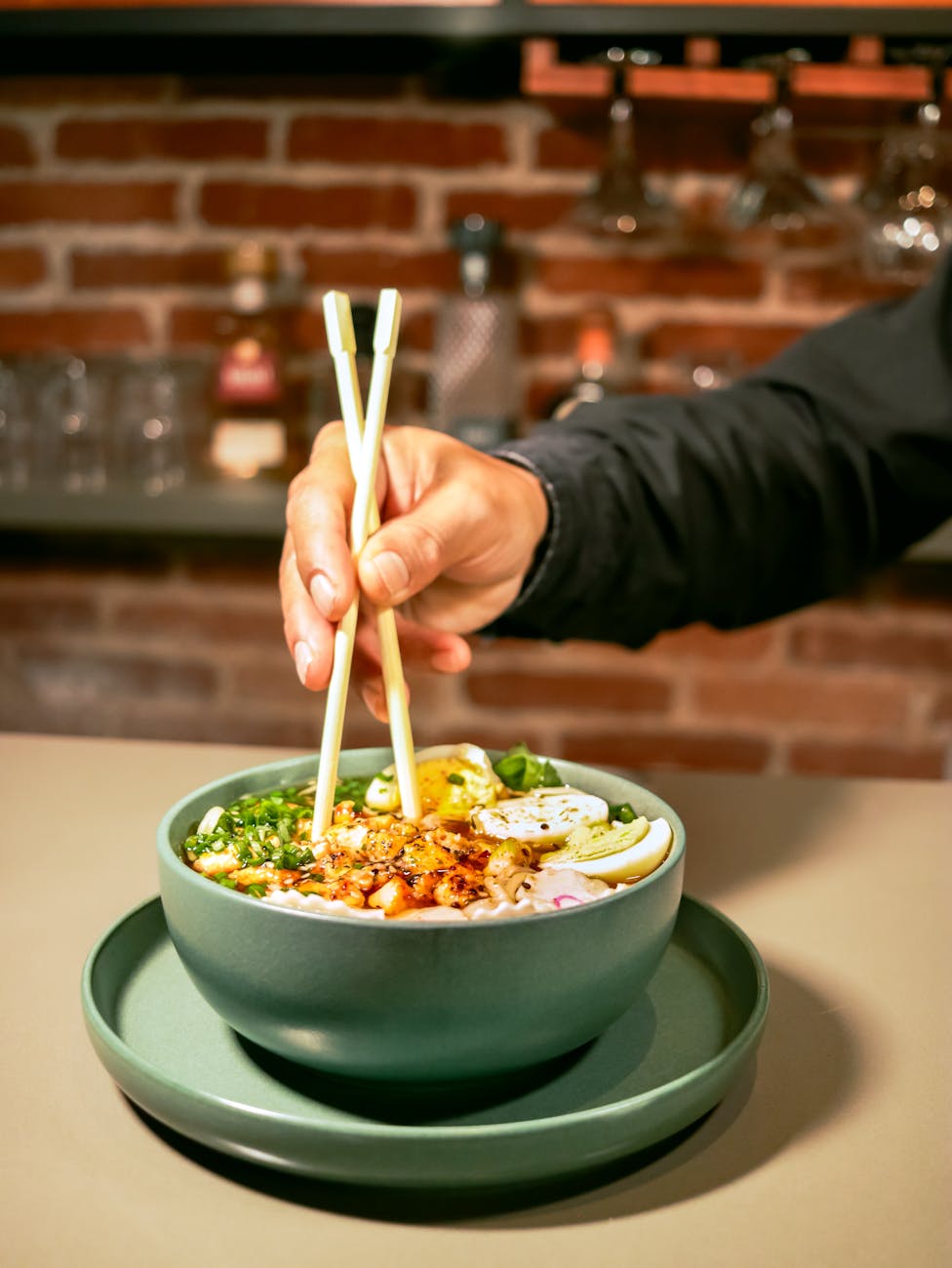
A steaming bowl of ramen in a narrow alley. A vending machine dispensing hot canned coffee. A taiyaki stall where the pastry is handed to you with a smile.
These aren’t just snacks. They’re rituals — tiny anchors that help you settle into the city’s winter rhythm.
For food lovers, my Tokyo Street Food Diaries — Part 1 continues this thread: 👉 Tokyo Street Food Diaries — Part 1 (replace with final link once published)
For deeper food culture insights, this Japan guide is excellent:
Tokyo’s winter food isn’t loud. It’s warm, nostalgic, and precise — each bite a gentle welcome.
The Art of Noticing
This is where your Tokyo Arrival First Impressions deepen. Tokyo teaches you to notice the small things — and that becomes the heart of your experience.
You begin to observe:
- A solo commuter sipping canned coffee on a quiet platform
- Plum blossoms just beginning to open, hinting at early spring
- The soft hum of heaters inside convenience stores
- The way people queue with unspoken coordination
- The gentle warmth of vending machines on cold nights
This is a city that rewards attention. It doesn’t demand your gaze — it earns it.
This theme continues in my upcoming literary post: 👉 The Art of Noticing: A Japanese Lesson (Week 1 Literature)
And if you enjoy reflective essays, you may also like: 👉 Why We Return to Certain Cities
Frequently Asked Questions: Tokyo Arrival First Impressions
1. What should I expect when arriving in Tokyo for the first time?
Expect calm efficiency. Tokyo’s airports are quiet, organized, and surprisingly soothing. Your Tokyo Arrival First Impressions will likely include smooth immigration lines, clear signage, and a gentle winter chill that sets the tone for the city’s precision.
2. Is Tokyo easy to navigate on arrival?
Yes. Public transport is intuitive, English signage is widespread, and staff are helpful. Suica/PASMO cards make movement seamless, and trains run with remarkable punctuality.
3. What should I eat first in Tokyo during winter?
Start with something warm and comforting: ramen, oden, taiyaki, or even a hot canned coffee from a vending machine. These small rituals shape your earliest impressions of the city.
4. What’s the best way to get from the airport to the city?
The Narita Express, Keisei Skyliner, and Haneda’s monorail are reliable, fast, and easy to navigate — ideal for first‑time visitors.
🌸 Closing Reflection
Your Tokyo Arrival First Impressions are not just about landing in a new city. They’re about entering a different way of seeing.
Tokyo in winter is a study in contrasts — speed and stillness, neon and quiet, precision and warmth. It’s a place that notices everything, and in doing so, invites you to notice more deeply too.
This post opens February’s Global Winter Arc, setting the tone for a month of immersion, movement, macro clarity, and early‑spring reflection.
Your Tokyo Arrival First Impressions become the emotional foundation for the rest of your winter journey
Quick Tokyo Arrival Summary
- Calm, efficient airport experience
- Crisp winter air and clean winter light
- Neon brightness paired with acoustic stillness
- Purposeful but unhurried city rhythm
- Micro‑rituals: Suica clicks, ramen steam, vending machine warmth
- Winter food that is warm, nostalgic, and precise
- A city that rewards attention and quiet noticing