Iceland — Fire, Ice & Northern Silence
Iceland Travel in Early Autumn — Fire, Ice and Northern Silence
Early autumn in Iceland feels like stepping into a landscape that is still being written. The air is crisp, almost silver, and the horizon is a quiet conversation between fire and ice — black volcanic earth, pale glaciers, warm geothermal breath rising from the ground. Everything moves slowly here. Even the wind feels thoughtful , as if it’s carrying old stories across open space.
Last week, in our Nordic Arc, we explored Norway’s fjords and their quiet mountain stillness, a landscape that gently leads north toward Iceland’s fire‑and‑ice calm.
Iceland’s Volcanic Landscape and Shifting Autumn Light
Driving through Iceland in September is like watching the world shift moods in real time. One moment you’re passing moss‑covered lava fields that look like soft green waves frozen mid‑motion; the next, a waterfall appears out of nowhere, falling in a long white ribbon into a canyon carved by centuries of meltwater. The light changes constantly — soft, blue, golden, then suddenly dramatic, as if the sky is practicing its own theatre. You don’t just see the landscape; you watch it perform.
Golden Circle Iceland — Thresholds of Earth, Water and Time
Þingvellir and the Quiet Drama of Golden Circle Iceland
The famous Golden Circle — Þingvellir, Geysir, Gullfoss — is often described in lists and itineraries, but in early autumn it feels more like a sequence of quiet thresholds. At Þingvellir, you stand between tectonic plates, the earth literally pulling apart beneath a sky that has watched it for millennia. At Geysir, the ground breathes in slow, patient bursts of steam. At Gullfoss, water roars over the edge in layered cascades, carrying glacial memory downstream. These aren’t just “sights”; they are places where you feel time differently.
For official guidance on routes, safety and seasonal conditions, the Visit Iceland tourism board offers updated information on the Golden Circle and south coast.
Jökulsárlón Glacier Lagoon and the Movement of Ice in Iceland Travel
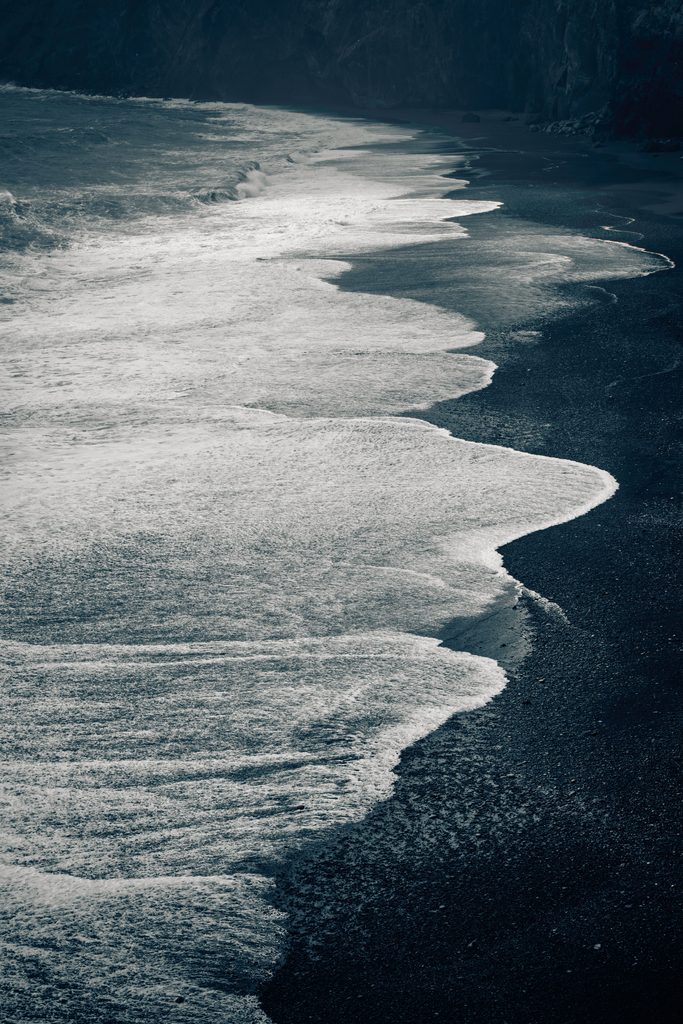
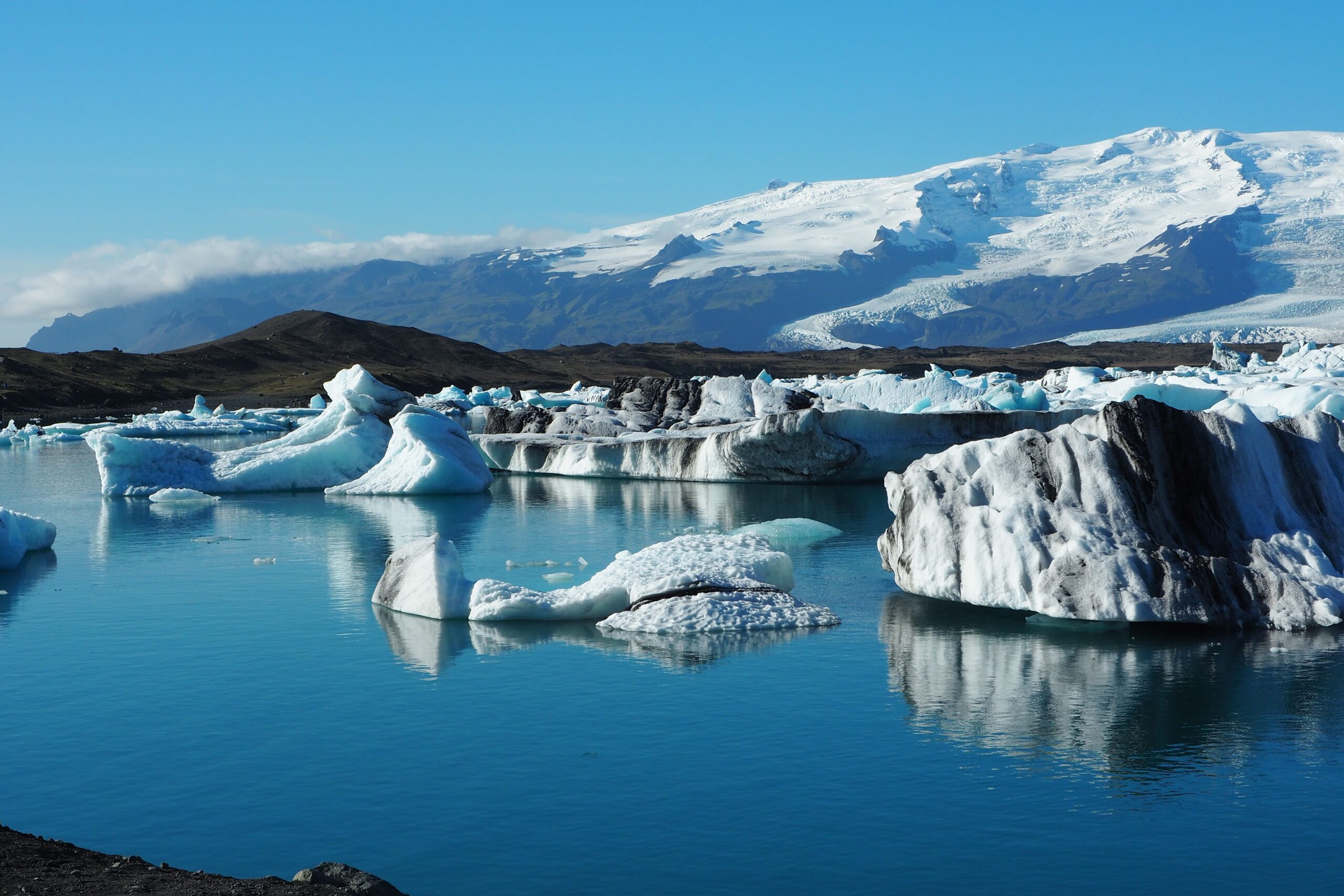
Further along the south coast, near Jökulsárlón and Diamond Beach, the contrast becomes even sharper. Icebergs drift slowly in a lagoon, pale blue and white, some almost transparent, others streaked with volcanic ash. They look like pieces of time breaking away, floating for a while before melting into the sea. On the black sand beach nearby, smaller fragments of ice catch the light and glow like scattered glass. It’s beautiful, but also quietly humbling — a reminder that nothing here is static.
Geothermal Warmth and Iceland Nature in Early Autumn
And then there’s the warmth — unexpected, gentle, human. Small cafés with wool blankets, geothermal pools steaming in the cold air, quiet coastal towns where the sea feels close enough to touch. Iceland in early autumn is a place where contrasts soften into calm: cold air, warm water; dark rock, bright sky; ancient landscapes, modern stillness.
What makes Iceland feel different from other Nordic destinations is this sense of ongoing creation. In Finland, the calm comes from forests and lakes that feel settled. In Norway, it comes from fjords carved long ago. In Iceland, the calm sits right next to movement — volcanoes, shifting ice, geothermal energy rising from below. It’s a country that doesn’t rush you, but it also doesn’t pretend to be finished.
It lets you arrive slowly.
It lets you listen.
And it quietly reminds you that the world is still in motion.