
Continuing from my earlier post Tribes and Wilds from Gujarat
Exploring the Tribes of Gujarat – Part 2
Day 11: Jamnagar
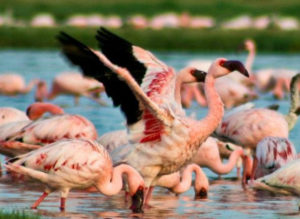
Early morning after breakfast, visit the salt pan areas and the port area, where you can find greater and lesser flamingos. After an early lunch, start for Narara. Start the coral walk on the beach. Here you may see the Stingray, crabs, octopus, puffer’s sea anemones, and dolphins if you are lucky.
Day 12: Jamnagar – Nakhatrana
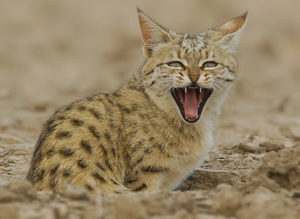
Early morning after breakfast, depart for Nakhatrana, reach Nakhatrana by lunchtime, take rest, and afternoon, depart for Nakhatrana wildlife sanctuary in Kutch. The rare ecosystem with a mix of desert, beaches, hills, and grassland has a lot of variety to offer. You can find striped hyenas, desert fox, porcupines, Indian civet, Indian pangolin, a variety of reptiles, venomous and non-venomous reptiles and monitor lizard, and star tortoise. Chinkaras can also be found here. Return to the resort and night halt in Nakhatrana.
Day 13: Nakhatrana
Early morning at 5: 30 AM before breakfast, visit Nalia for a variety of unique birds, like the Great Indian Bustard is found in this region. Look around for the Black and Gray Francolin, the Spotted and Indian Sandgrouse, Quails, Larks, Shrikes, Coursers, and Plovers. You can also see flocks of Indian Gazelle and wolves spotting the entire landscape, while a drive around the sanctuary will acquaint you with the friendly nilgais. After an extensive flash of various mammals and reptiles, return to the resort by 10 AM, take breakfast, and rest for the day. Night halt in Nakhatrana.
Day 14: Nakhatrana – Dhordo
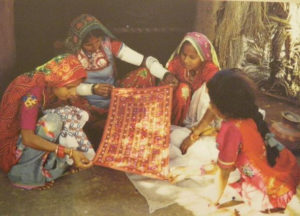
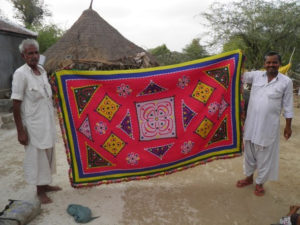
Early morning after breakfast, depart for Dhordo, check in to the resort, freshen u,p and after lunch visit the white desert, Banni Region – which amidst the Desert land of infinite dimensions, are suspended, quaint little villages. These are the last villages on the India-Pakistan border where you will come across master craft people, exposing their traditional art, turning out masterpieces every day. Their ornaments, clothes, utensils, and everything they use will make you feel as if you have stepped into a lifestyle museum, leaving you spellbound.
Khavda – a small village, one can visit Khatrivas to see artisans printing & selling Ajrakh. The town also has skilled Leather Craftsmen, and there are some shops retailing local crafts, including leather slippers. In the evening, return to the resort and Night halt in Dhordo.
Day 15- Dhordo
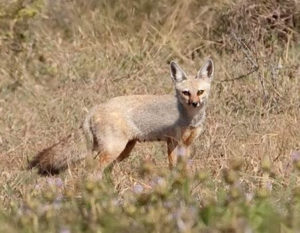
Early morning after breakfast, depart for KALO DUNGAR (BLACK HILLS) – Kaladungar, also known as the Black Hills, overlooks the spectacular Rann; the view from the top is a sight that one can never forget. One can spot some rare species of white foxes. These beautiful, frisky animals staying in the wild respond to the call of the temple priest as he beats a steel plate, yelling “langa” to suggest that food has been laid out for them. On the way back, visit some of the more important villages, Niroona (Rogan Art and Bells), Hodko, and Ludiya. Permission is to be taken from the check post to visit this area due to its proximity to Pakistan.
Day 16: Dhordo – Dasada
Early morning after breakfast, depart for Dasada via Bhujodi. Just 8 km southeast of Bhuj, Bhujodi is a major textile centre of Kutch, with the vast majority of the 1200 inhabitants involved in textile handicraft production. Here you can meet weavers, tie-dye artists, and block printers, most of whom belong to the Vankar community. You can watch them work and depart for Dasada, reach to resort by evening, and halt in Dasada.
Day 17: Dasada
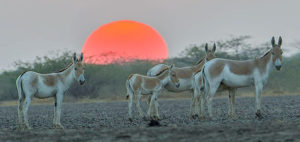
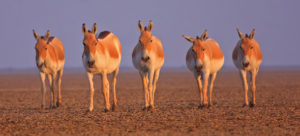
Early morning after breakfast, depart for a safari in LRK (Little Rann of Kutch), which is well-known as the remaining habitat of the endangered Indian Wild Ass, Nilgai (blue bull), the largest antelope in India, can be seen during the drives. Indian Wolf, Indian and White-footed Desert Foxes, Golden Jackal, Striped Hyena, and Fishing Cat, and smaller mammals like hares, hedgehogs, gerbils, and field mice are seen in the sanctuary. Return to the resort and rest for the whole day. Night halt in Dasada.
Day 18: Dasada – Nalsarovar – Ahmedabad
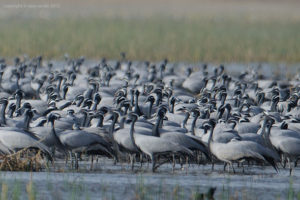
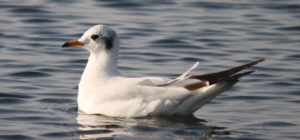
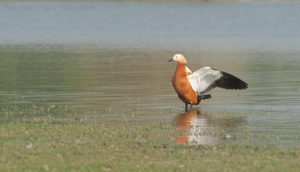
In the morning, after an early check out of 5:00 am, departed for Nal Sarovar Bird Sanctuary, which is mainly inhabited by migratory birds in winter and spring. It is the largest wetland bird sanctuary in Gujarat and one of the largest in India. It attracts over 210 species of birds in the winter, and harbours a variety of flora and fauna. Thousands of migratory waterfowl flock to this sanctuary just after the Indian monsoon season. The shallow area and ponds on the outer fringes of the lake attract the wading birds that feed in the shallow waters. This migratory bird population includes Rosy Pelicans, Flamingoes, White Storks, Brahminy Ducks, and Herons.
After bird watching, you depart for Ahmedabad, check-in, and after freshening up, move out for sightseeing around the city. First, visit Sabarmati Ashram / Gandhi Ashram. This place speaks volumes about Mahatma Gandhi as a leader, a mentor, and a person as well. Later move towards Adalaj stepwell, not very far from Gandhi Ashram. A “Stepwell” is a unique feature of dry western India. This particular stepwell is almost 600 years old and runs up to 5 stories below the ground. A MUST SEE for any architectural lover. Return to the hotel for a lavish traditional meal at the rooftop restaurant. Night halt in Ahmedabad.
Day 19: Last day
After breakfast, depart for Ahmedabad airport as per your time of Departure. Further journey with happy memories.
The tribes of Gujarat have preserved their rituals for centuries. Many tribes of Gujarat live close to forests and wildlife.
Understanding the tribes of Gujarat helps travellers appreciate their heritage.
If you like this adventure tour of tribes and wilds and would like to be part of it, then
**FOR MORE DETAILS CONTACT –COMPASS TOURISM
PIN IT FOR LATER