
Cairo Markets and Nile Evenings in Egypt
October ends not in the silence of the desert, but on the banks of a river.
After the spice-laden alleys of Morocco, the wind-shaped dunes of the Sahara, and the blue-and-white shores of Tunisia, Egypt feels different. If Morocco revealed the sensory richness of medinas in Marrakech Medinas & Atlas Mountain Edges, Egypt reveals the relationship between rivers, cities, and time itself.
It is a place where movement and permanence exist side by side. Markets pulse with conversation, boats drift across the Nile, and ancient stone continues to hold its ground against centuries of change. This travel feature follows that rhythm, moving from Cairo’s bazaars to the river that shaped a civilization, before ending beneath some of the world’s most enduring monuments.
Cairo Markets: The City’s Living Heart
Cairo reveals itself first through movement.
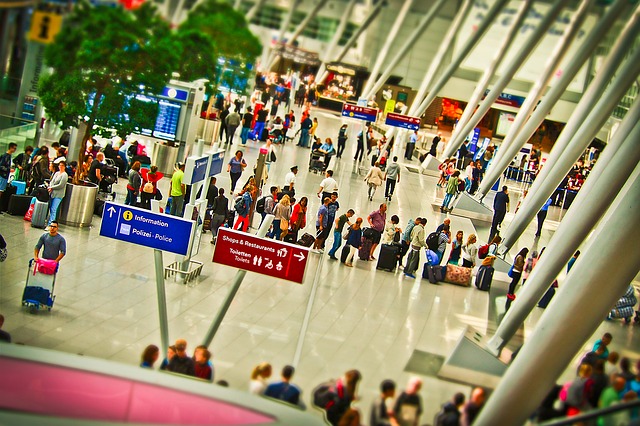
In the historic market districts, narrow lanes open into courtyards filled with brass lanterns, textiles, spices, handcrafted goods, and the everyday sounds of commerce. Merchants arrange their displays with a sense of theatre. Conversations spill into the streets, aromas drift from cafés, and every turn offers another glimpse into the city’s layered identity.
Unlike museums or monuments, markets belong entirely to the present moment. Here, Egypt is not preserved behind glass. It is lived, negotiated, brewed, purchased, carried home, and shared around tables.

The appeal of Cairo’s markets lies not only in what they sell but in the atmosphere they create. The city unfolds through colour, texture, and rhythm. Light filters through archways. Wooden doors reveal hidden courtyards. The experience feels less like following a map and more like discovering a story one street at a time.
Nile Evenings
The Nile at Evening
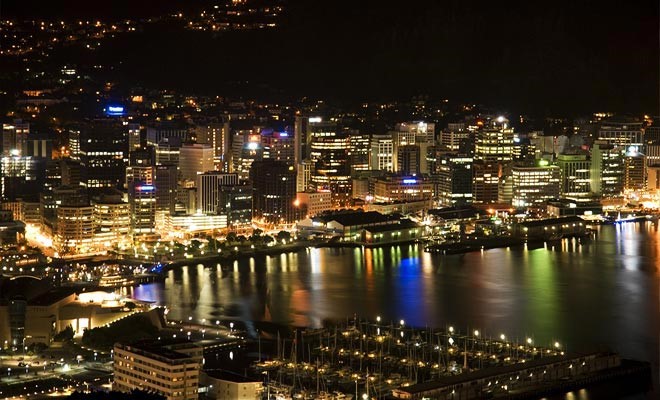
As afternoon softens into evening, attention shifts from the crowded streets to the Nile.
As the sun lowers over the river, the colours soften into gold and blue. The mood feels different from the coastal atmosphere explored in Tunisia: Sidi Bou Said, Carthage & Mediterranean Light, yet both destinations share a relationship with water, reflection, and evening light.
For thousands of years, this river has connected landscapes, communities, and histories. Yet its greatest beauty may be found in the quiet moments near sunset.
Feluccas drift across the water as the day’s heat begins to fade. Reflections stretch across the river’s surface. Buildings that seemed busy and imposing under the midday sun become silhouettes against a golden sky.
There is a slower pace here.
The Nile invites observation rather than activity. Travellers sit along the waterfront, watch the changing light, and witness the city transition from day into night. The river becomes a pause in the middle of an energetic capital, a reminder that movement can be gentle as well as constant.
If Cairo’s markets represent the pulse of modern Egypt, the Nile represents its continuity.
Ancient Geometry: A Brief Encounter with the Pyramids
Pyramids of Giza and Ancient Geometry
No journey through Egypt feels complete without at least one encounter with the pyramids.
Yet what surprises many visitors is not simply their size but their precision.

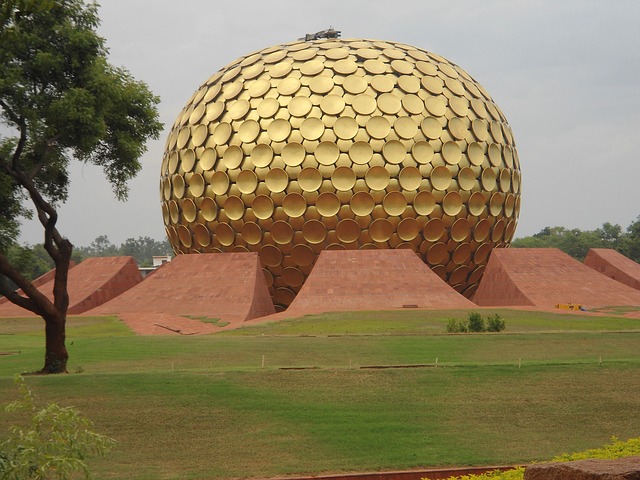
Rising from the desert edge, the pyramids appear almost impossibly geometric. Unlike the shifting landscapes explored in Sahara Edge: Merzouga, Dunes, Camel Routes & Desert Light, the desert surrounding Giza feels anchored by stone rather than shaped by wind. Yet both landscapes reveal how profoundly the desert influences North Africa’s sense of scale and perspective.
Their clean lines contrast with the flowing movement of the Nile and the organic patterns of market streets. Standing before them, one becomes aware of scale in a completely different way.
The structures are often described as monuments, but they are also exercises in proportion, alignment, and design. The pyramids form part of the UNESCO World Heritage Site of Memphis and its Necropolis, a landscape that has shaped how the world understands ancient Egypt.
Light moves across their surfaces throughout the day, transforming the colour of the stone from pale gold to deep amber.
For travellers, the experience is less about ticking off a famous landmark and more about confronting a different relationship with time. The pyramids remind us that some places were built not merely for a generation, but for centuries.
One section of the journey belongs to history. The rest belongs to the living country around it.
Where Water Meets Stone
Egypt leaves a lasting impression because it balances opposites so effortlessly.
Markets thrive on motion. Rivers flow. Boats travel. Conversations begin and end.
Yet stone remains.
The Nile continues its journey just as it has for generations, while monuments stand quietly on the horizon. Together they create the essential character of Egypt: movement alongside permanence, change alongside continuity.
As the North Africa arc draws to a close, Egypt offers the perfect final note. Morocco explored spice and colour. The Sahara explored silence. Tunisia explored light. Egypt invites us to think about time itself.
And nowhere is that more visible than where moving water meets ancient stone.