Tunisia Mediterranean Light: Sidi Bou Said, Carthage & Blue Doors
There are moments in travel when a landscape seems to arrive with its own rhythm.
How Tunisia Mediterranean Light Shapes the Coastline
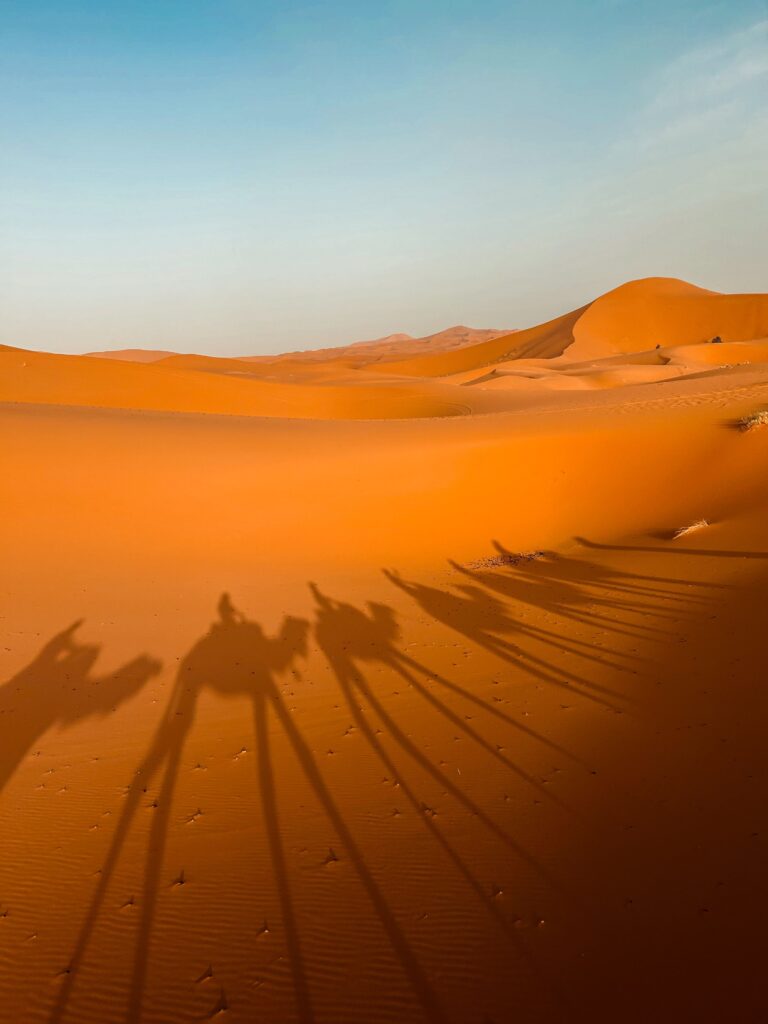
After days of following North Africa through ochre dunes, desert horizons, and long stretches of silence, the coast appears almost unexpectedly. The memory of distant storms gives way to Mediterranean light. Blue returns to the landscape. White walls catch the sun. The air carries the scent of salt rather than sand.
Tunisia begins with that transition.

It is a country where North Africa meets the Mediterranean, where ancient civilizations once built ports along the coast, and where blue doors overlook a sea that has connected cultures for thousands of years. This is not the drama of the Sahara. It is a softer kind of beauty, shaped by light, history, and the meeting of continents.
Arriving in Sidi Bou Said
Perched above the Gulf of Tunis, Sidi Bou Said is one of those places that feels instantly recognizable, even to first-time visitors.
Whitewashed walls line narrow streets. Blue shutters open toward the sea. Bougainvillea spills over courtyards. The Mediterranean appears and disappears between buildings as you wander through the village.
The colours are simple, yet unforgettable.
Unlike the warm terracotta palette of Morocco’s medinas, Sidi Bou Said embraces blue and white almost completely. The result is a landscape that feels calm, luminous, and distinctly coastal.
Walking here is less about checking landmarks from a list and more about noticing details:
- carved doors painted in deep cobalt
- patterned ironwork balconies
- shaded cafés overlooking the sea
- late afternoon light reflecting from white façades
Sidi Bou Said rewards slow travel.
The village invites you to pause rather than rush.
Where Sea Meets History
Beyond its beauty, Tunisia occupies a remarkable position in the story of the Mediterranean.
For centuries, traders, explorers, and empires crossed these waters. Phoenicians arrived from the eastern Mediterranean. Carthage emerged as one of the ancient world’s great powers. Romans, Arabs, Ottomans, and Europeans each left traces behind.
Few places demonstrate this layered history as clearly as Carthage.
Exploring Ancient Carthage
Tunisia Mediterranean Light Near Ancient Carthage
Today, Carthage appears as a series of archaeological sites spread across modern Tunis.

Stone foundations overlook the sea. Roman baths sit beneath open skies. Fragments of columns remain where ancient structures once stood.
Yet what makes Carthage compelling is not simply what survives.
It is the contrast.
One moment you are standing among ancient ruins shaped by centuries of history. The next, you are looking out toward the same Mediterranean that connected those civilizations.
The sea remains.
The empires changed.
That perspective gives Carthage a reflective quality that extends beyond archaeology.
Mediterranean Light
Many destinations are defined by monuments.
Tunisia is equally defined by light.

Morning light softens the white walls of Sidi Bou Said. Midday light intensifies the blue of doors and windows. Evening light turns the coastline gold before disappearing into the sea.
Photographers often speak about the Mediterranean palette, but experiencing it in person reveals why it matters.
The colours feel naturally balanced:
- blue sea
- white architecture
- green olive trees
- sandy Earth
- golden sunlight
Together they create an atmosphere that is both vibrant and peaceful.
A Different Side of North Africa
One of the joys of travelling through North Africa is discovering how varied the region truly is.
The dunes of the Sahara tell one story. The oasis traditions of Morocco tell another. Tunisia adds an entirely different chapter.
Here, the Mediterranean shapes daily life.
The sea influences architecture, food, trade, and culture. Coastal breezes soften the landscape. Ancient history remains visible, yet everyday life continues around it.
The result is a destination that feels connected to multiple worlds at once:
African. Mediterranean. Arab. Ancient. Modern.
A Place Between Horizons
Travel often changes not because of grand discoveries, but because of subtle shifts in perspective.
Tunisia is full of those shifts.
It is the transition from desert to sea. From gold to blue. From silence to waves. From distant horizons to ancient streets.
Standing above the Mediterranean in Sidi Bou Said, watching the light change across the water, it becomes easy to understand why travellers return here again and again.
Some places impress.
Others stay with you.
Tunisia belongs firmly in the second category.