
Cherry Blossom Treats arrive before the first petals fall, offering Japan its earliest taste of spring.
Cherry Blossom Treats arrive before the first petals fall, offering Japan its earliest taste of spring. Before the trees bloom, before the parks fill, before the petals begin their brief choreography in the wind — Japan tastes spring. The season arrives first on the tongue, not the branches. And that is the quiet magic of cherry blossom treats: they signal a shift long before the world visibly changes.
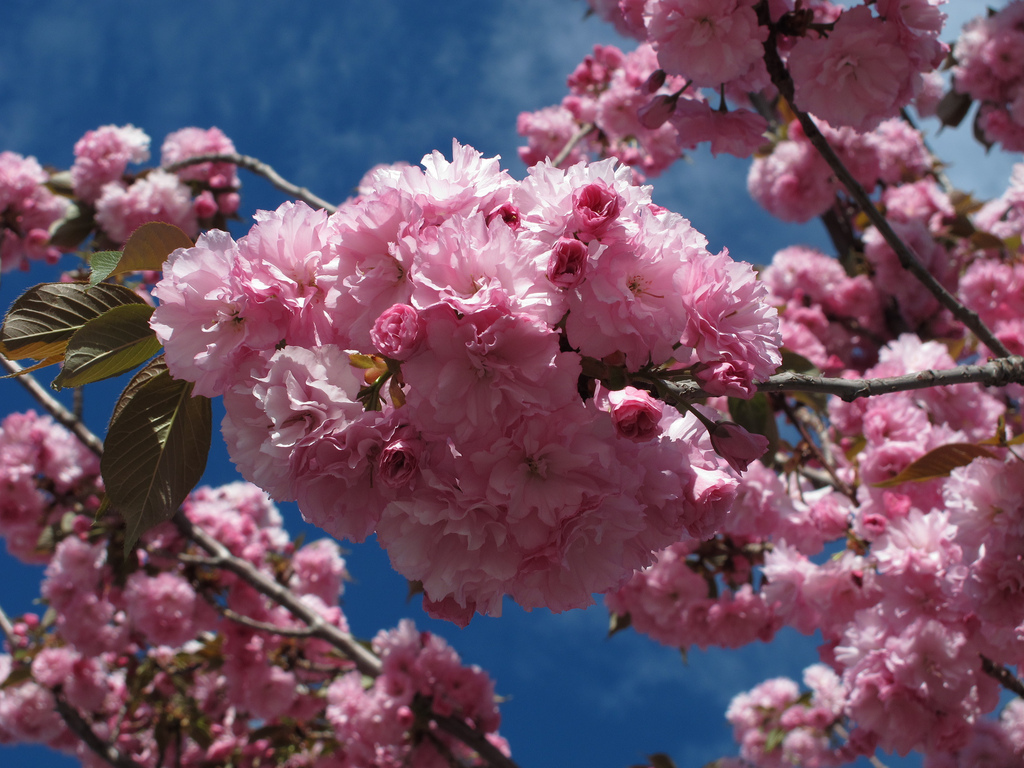
Long before the sakura trees open, before the parks fill with picnic mats, and before the wind begins its soft choreography of petals, Japan tastes the season. Spring begins on the tongue. And that is the quiet magic of Cherry Blossom Treats: they signal renewal before the world visibly changes.
March carries this same emotional shift everywhere. It is a month of micro‑resets, where people begin noticing small joys again, where heaviness lifts, and where clarity returns in gentle, almost imperceptible increments. To understand why March feels different, we look at the flavours that define Japan’s most fleeting season.
You may like to read – Tokyo in Bloom: A Cherry Blossom Walk (A Calm Tokyo Cherry Blossom Walk Guide)
Sakura Mochi: A Lesson in Anticipation
Sakura mochi appears only for a short window each year. Soft, pink, lightly perfumed with salted cherry leaves — it is a dessert built on anticipation. You wait for it, you savour it, and you know it won’t stay long.
This is the behavioural pattern March brings into focus:
we value what is fleeting because it reminds us to pay attention.
Just like sakura mochi, March nudges us to slow down, to notice the shift, to prepare for renewal.
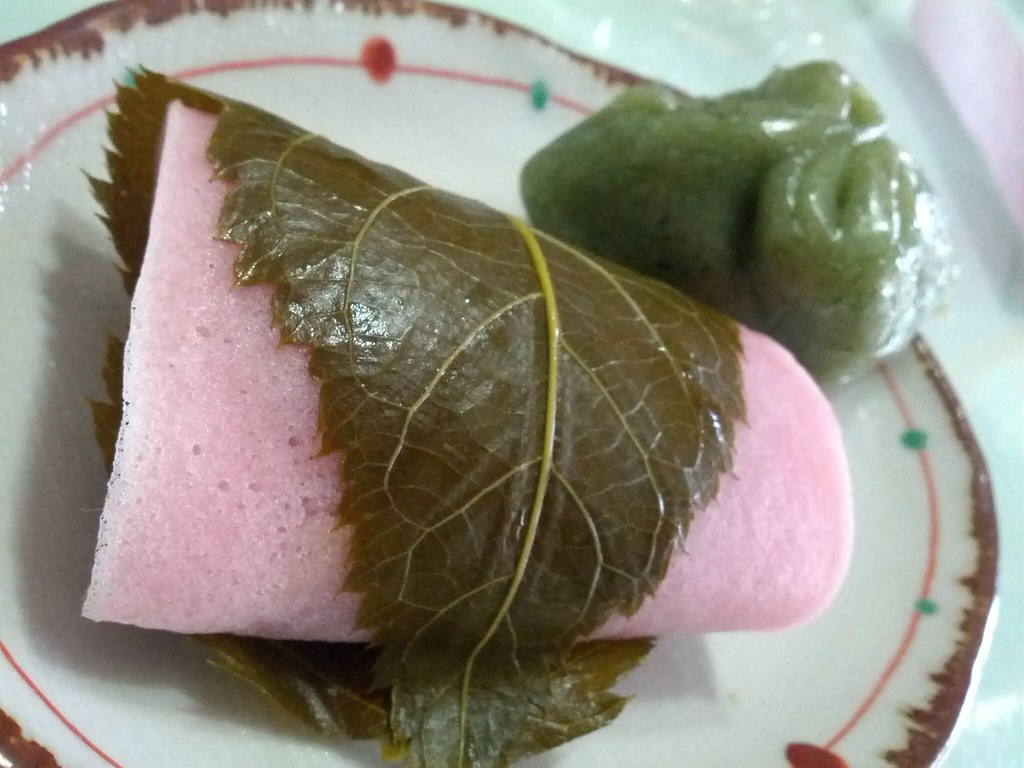
Among all spring flavours of Japan, sakura mochi is perhaps the most symbolic. Soft, pink, lightly perfumed with salted cherry leaves, it is a dessert built on anticipation. You wait for it, you savour it, and you know it won’t stay long.
This is the behavioural pattern March brings into focus: we value what is fleeting because it reminds us to pay attention.
Sakura mochi teaches us that beauty is not meant to be permanent. It is meant to be noticed.
For readers curious about the cultural roots of sakura mochi, the Japan Guide offers a lovely overview of hanami traditions.
Hanami Bento: Ritual as a Reset Button
A hanami bento isn’t just a meal — it’s a ritual.
Carefully arranged, seasonally tuned, meant to be eaten under a sky that might change at any moment.
Rituals like this shape behaviour. They create:
- a pause
- a moment of presence
- a sense of transition
March is full of these micro‑rituals. Cleaning a desk. Reorganising a routine. Returning to a habit you abandoned in winter. The hanami bento becomes a metaphor for how people reset their emotional landscape.
A hanami bento is more than a meal. It is a ritual of presence. Carefully arranged, seasonally tuned, and meant to be eaten under a sky that might change at any moment, it captures the essence of spring’s uncertainty.
Rituals like this shape behaviour. They create:
a pause
a moment of grounding
a sense of transition
March is full of these micro‑rituals. Cleaning a desk. Reorganising a routine. Returning to a habit abandoned in winter. The hanami bento becomes a metaphor for how people reset their emotional landscape.
For a deeper look at bento culture, Bento.com has a detailed guide.
Seasonal Sweets: The Psychology of Limited Beauty
From sakura‑flavoured yokan to pastel‑tinted wagashi, seasonal sweets carry a quiet truth:
beauty feels more intense when it is temporary.
This is why March feels emotionally sharper.
People make clearer decisions.
They return to long‑form attention.
They reconnect with their own rhythms.
Seasonal food teaches us that renewal is not loud — it’s subtle, sensory, and often edible.
From sakura‑flavoured yokan to pastel‑tinted wagashi, seasonal sweets carry a quiet truth: beauty feels more intense when it is temporary.
If you enjoy visual inspiration, this curated collection of sakura trees captures the fleeting beauty that defines the season: 62 Amazingly Beautiful Sakura Trees (infiniteworldwonders.com in Bing)
This is why March feels emotionally sharper. People make clearer decisions. They return to long‑form attention. They reconnect with their own rhythms.
Seasonal food teaches us that renewal is not loud — it is subtle, sensory, and often edible.
The Behavioural Layer: Why March Feels Different
Every culture has its own version of spring treats, but Japan’s cherry blossom season captures the psychology perfectly:
- anticipation
- impermanence
- renewal
- clarity
- emotional softening
March becomes a month where people naturally shift from survival mode to awareness mode.
From heaviness to lightness.
From holding on to letting go.
You may like to read 5 Places to See Early Plum Blossoms in Tokyo: A Gentle Spring Guide
Closing Reflection
Cherry blossom treats are more than seasonal sweets — they are reminders that life moves in cycles, not straight lines. That clarity returns in small, sensory ways. That renewal begins quietly, often before we notice it.
March invites us to taste the season before we see it.
And sometimes, that’s all the reset we need.