Unique Ice Cream Flavours You Can Create at Home
What is an Ice cream?
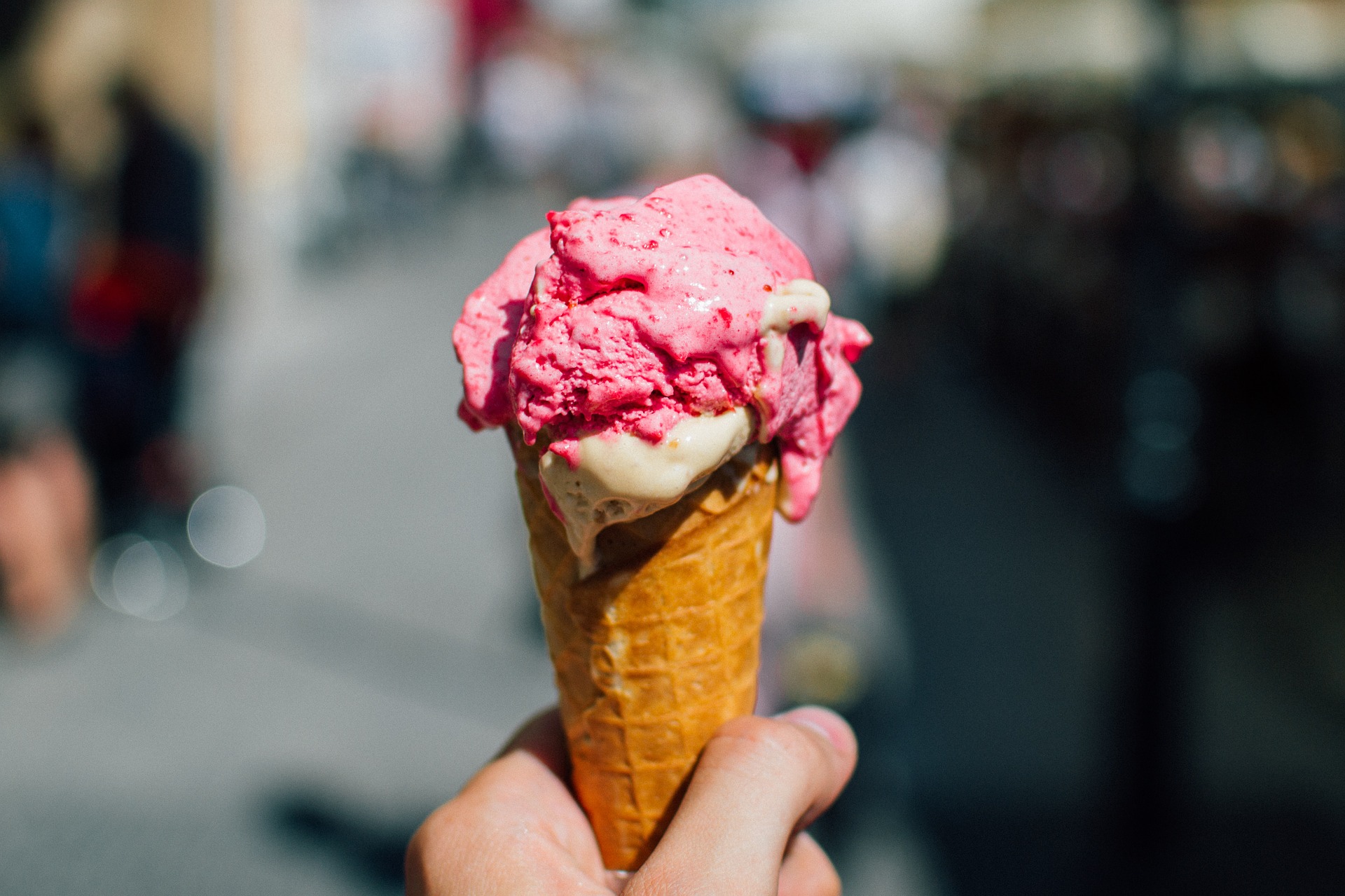
Ice cream is a soft and sweet frozen food made using milk, cream and typically some original fruit extract or ready-made flavours like vanilla, rose or any other such ingredients. It is eaten both as a snack and a dessert. It has been one of the most popular treats for hundreds of years, but has commonly come into existence only after the introduction of the refrigerator.
Creative Ice Cream Flavour Ideas
The dairy products like milk and cream were frequently used along with some dry fruits and real flavours like fruits etc. The popular rise of frozen creations has led to several ice cream variations, including frozen custard, frozen yoghurt and even non-dairy versions made using coconut milk. Lately, with the introduction and the advancements in the equipment, the trend of creating your own flavours has come into force.
If you enjoy pairing desserts with warm beverages, explore our guide to International Tea Day for cultural rituals and flavour inspiration.
Composition
The United States has set standards regarding the composition that is to be considered while making ice cream. According to those standards, it must contain 10%-16% milk fat. It is because the higher milk fat gives a smoother texture to the frozen creations as they contain a lower amount of water and therefore, fewer ice crystals. The ice-creams that contain less than 10% milk fat are referred to as ‘ice milk’ and are ‘low-fat’ ice cream.
Other than milk and cream, the frozen creations also consist of some stabilisers, such as gluten, to help to maintain the mixture’s consistent texture. To add sweetness, sugar or sugar substitutes are usually added to the composition of ice cream. Although the sugar-added flavour experiments have not gained much popularity, most people love to have frozen creations flavoured and sweetened with the original fruit extracts or those with natural milk sugar for subtle sweetness. Out of the exotic fruit flavours from mango and pomegranate to unusual flavours like coffee and basil, people prefer trying numerous flavours, both savoury and sweet.
You may like to read Have you had a deep-fried ice cream?
Tips for Better Homemade Texture
A lot of special techniques are employed in the process of creative combinations with smaller ice crystals and also incorporate air, producing a soft and creamy texture. The experts keep on constantly churning the frozen creations so that the stiff ice crystals do not form within the mixture. This process also serves to introduce air and create a foam-like texture, along with softening the mixture. Salt is also used in the process of making ice cream as it lowers the melting point of ice, helping it to freeze at a quicker rate.
When the mixture is put into the freezing process, it produces smaller ice crystals and a softer final product. The salt used never comes in contact with the ice cream, and therefore, it does not affect the sodium content. The salt-filled ice is therefore packed around an inner ice cream chamber that keeps the ice cream in and the salt out.
Along with the traditional methods and equipment for making it, liquid nitrogen and dry ice can also be used to make custom ice cream in Florida, as they are able to produce a quick freezing action.
2026 Update: Artisanal ice cream trends continue to rise, with global flavours like matcha, saffron, and yuzu gaining popularity in boutique dessert shops.
Shubham Jajoriya is a professional Writer and Digital Marketer. He is a creative writer who likes topics which focus on travel, career-oriented tips and knowledge. He likes to share his thoughts and ideas about trips, food, educational courses and training. His passion is writing and learning to explore educational things for readers help.