
Egyptian Comfort Food: Ful, Koshari, Tahini & Baklava
Food often provides the most direct path into a culture. While Egypt’s pyramids and temples tell stories of ancient civilizations, its kitchens tell stories of daily life, family traditions, and meals shared across generations.
From bowls of slow-cooked fava beans to hearty plates of koshari, Egyptian food is rooted in simplicity, nourishment, and hospitality. These are dishes designed not for celebration alone but for everyday life, carrying flavors that have endured through centuries of change. As our North Africa journey reaches Egypt, the focus shifts from monuments and markets to the foods that continue to bring people together around the table.
Ful Medames and the Ritual of Breakfast
For many Egyptians, the day begins with a humble bowl of ful medames.
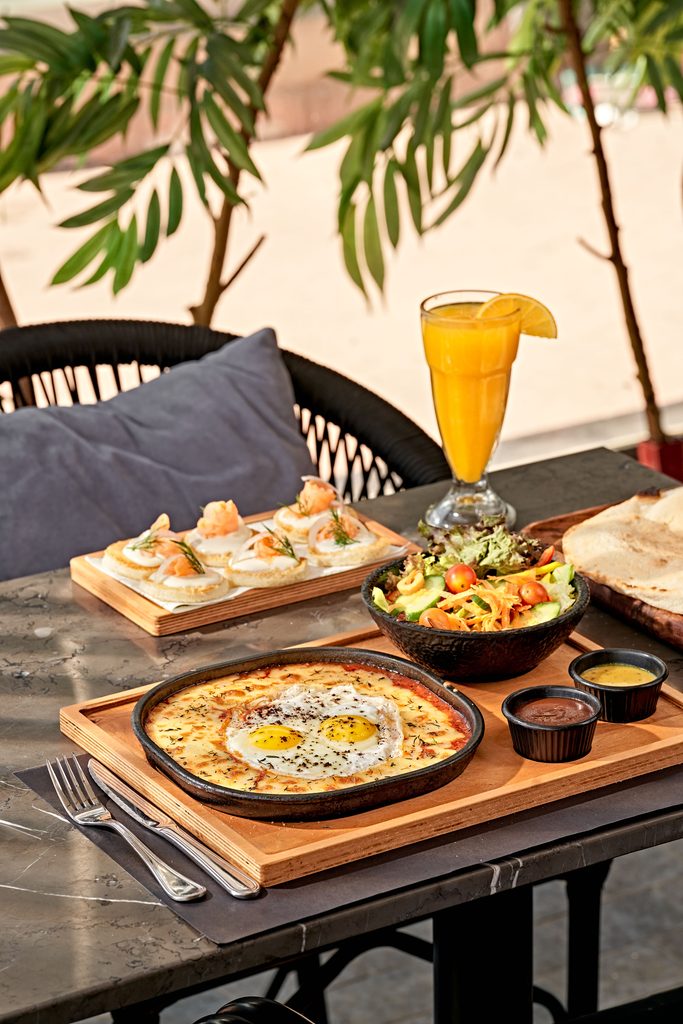
Made from slow-cooked fava beans seasoned with olive oil, lemon, herbs, and spices, ful is one of Egypt’s most enduring dishes. Its origins stretch back hundreds of years, yet it remains a breakfast staple throughout the country.
What makes ful remarkable is not complexity but consistency. The ingredients are simple, the preparation is patient, and the result is deeply satisfying. Served with warm bread and shared among family or friends, it turns an ordinary breakfast into a daily ritual.
In a city such as Cairo, where markets awaken early and streets quickly fill with activity, ful offers a moment of calm before the day gathers momentum. Like many traditional foods, its strength lies in familiarity rather than novelty.
Koshari: Egypt’s Great Comfort Food
If ful defines the Egyptian morning, koshari defines comfort.
At first glance, the dish seems surprisingly simple. Rice, lentils, pasta, chickpeas, tomato sauce, and crispy fried onions are layered together into a generous bowl. Yet the combination creates something greater than the individual ingredients.
Koshari reflects the layered nature of Egyptian history itself. Influences from different periods and regions have found their way into a single dish that feels distinctly Egyptian today.
The appeal of koshari is easy to understand. It is filling, affordable, and deeply comforting. Every spoonful offers contrasting textures, from tender lentils and rice to crunchy onions and rich tomato sauce.
Found in dedicated koshari restaurants, small cafés, and everyday eateries, it remains one of Egypt’s most beloved foods. Visitors often arrive expecting grand historical monuments and leave remembering a bowl of koshari just as vividly.
Tahini and the Art of Simplicity
Some ingredients shape a food culture so completely that they appear almost everywhere.
Tahini is one of those ingredients.
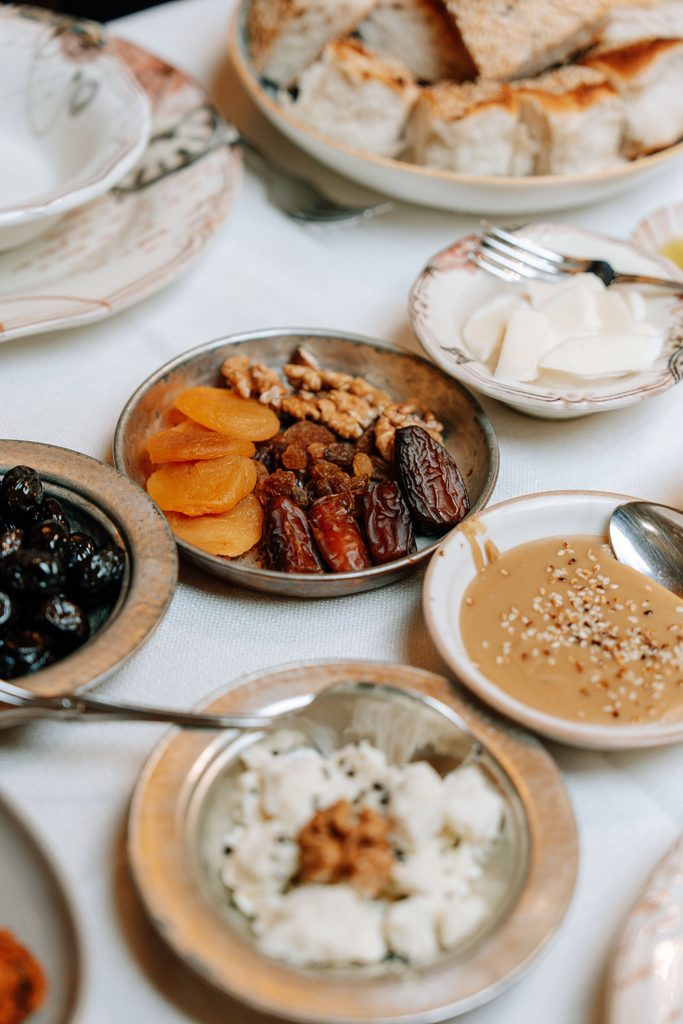
Made from ground sesame seeds, tahini serves as both a condiment and a foundation for countless dishes throughout Egypt. It appears alongside grilled foods, accompanies vegetables, enriches sauces, and provides depth to everyday meals.
Its flavor is subtle rather than dramatic, but that subtlety is precisely what makes it valuable. Tahini enhances rather than overwhelms.
In Egyptian cooking, the ingredient reflects a broader philosophy: simple ingredients, treated with care, often create the most memorable flavors. A meal does not need complexity to feel complete. Sometimes all it requires is bread, tahini, and time shared at the table.
Dates and Sweet Traditions
Baklava and the Shared Sweet Traditions of the Eastern Mediterranean
Few foods are as closely connected to the landscapes of North Africa as dates.
Across Egypt, dates have long been valued for their sweetness, nourishment, and versatility. They appear in everyday snacks, festive celebrations, and traditional desserts.
Date-filled pastries, honey-based sweets, and sesame treats can be found throughout the country. While recipes vary, the appeal remains the same: natural sweetness paired with simple ingredients.
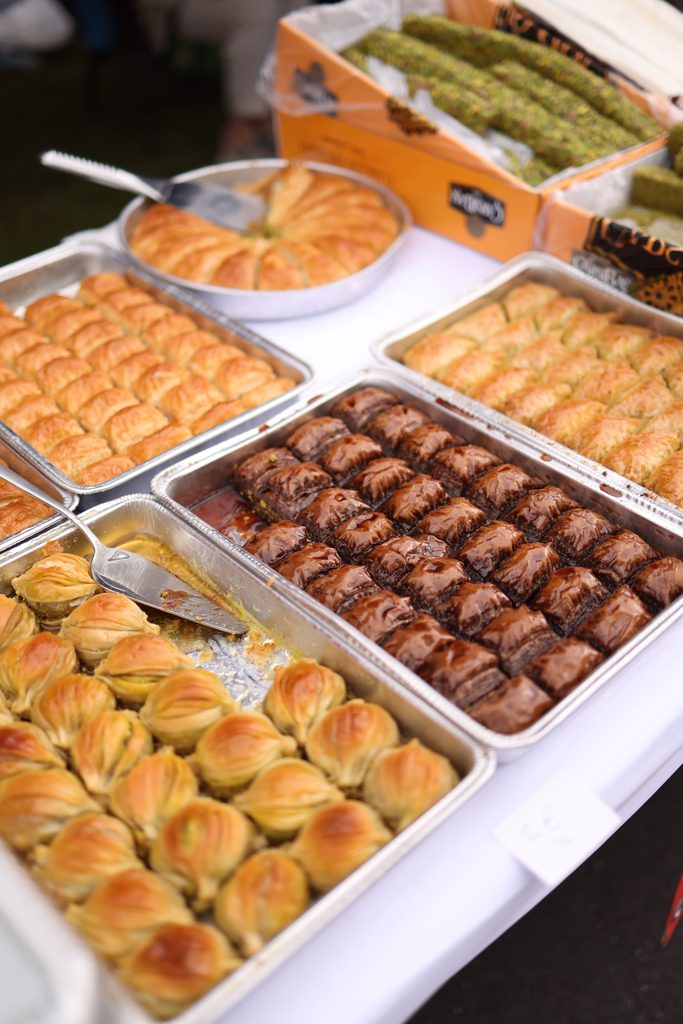
Alongside date-filled pastries and sesame sweets, baklava remains a familiar sight in many Egyptian bakeries and dessert shops. Layers of delicate pastry, nuts, and syrup connect Egypt to a wider Eastern Mediterranean food tradition. While not uniquely Egyptian, baklava has become part of the country’s rich dessert landscape, especially during celebrations and family gatherings.
There is also something seasonally fitting about dates in autumn. Their warmth and richness mirror the changing pace of the season. After months of bright summer flavors, date-based desserts feel grounding and comforting.
Much like the Nile itself, dates connect present-day Egypt with traditions that stretch far into the past.
Comfort Around the Table
Egyptian food is built on a simple idea: nourishment should be generous.
Whether it is a breakfast of ful medames, a hearty serving of koshari, a dish enriched with tahini, or a sweet date enjoyed at the end of a meal, these foods are rooted in everyday life rather than spectacle.
They are meals that sustain communities, accompany conversations, and create a sense of continuity across generations.
As the North Africa arc draws to a close, Egypt reminds us that comfort is often found in familiar ingredients prepared with care. Just as the Nile continues its journey through the country, these culinary traditions continue to flow through homes, cafés, and markets, connecting past and present through the simple act of sharing a meal.