
Tokyo by Train: How the City Moves in Quiet Rhythm
Tokyo by train is not just transportation — it’s the city’s softest language.
Movement becomes a mood, a rhythm, a way of understanding how Tokyo breathes.
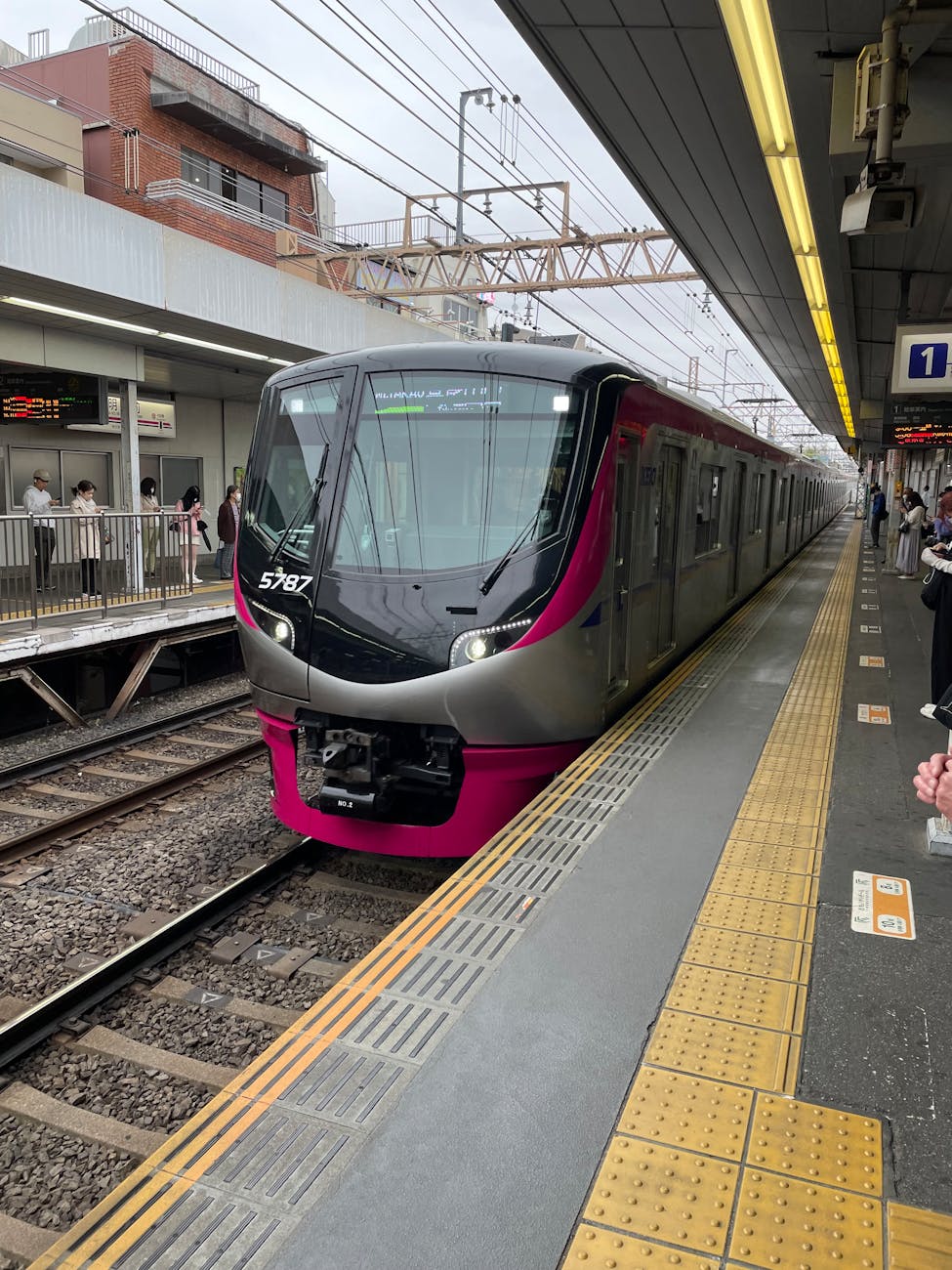
Morning trains carry a gentle precision. People step in, settle, and disappear into their own small worlds — a book, a podcast, a warm can of coffee. The doors close with a soft chime, and suddenly you’re part of a collective drift.
Tokyo is a city that reveals itself in motion.
Not in the landmarks or the destinations, but in the quiet choreography between them — the soft hum of the JR lines, the steady rhythm of the Metro, the circular embrace of the Yamanote. Here, movement isn’t a disruption. It’s the language of the city.
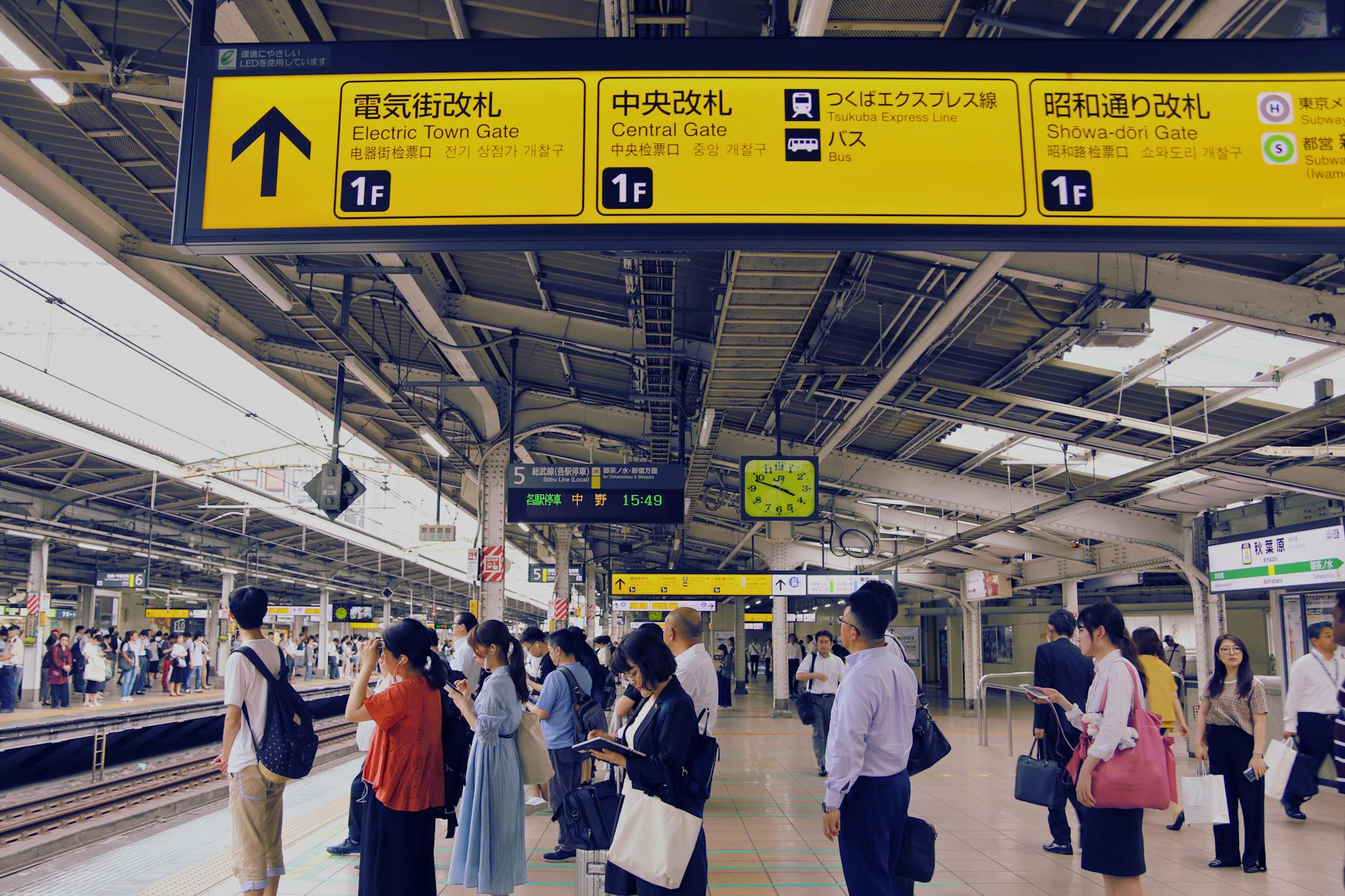
The Lines That Shape the City
Tokyo by train is a map of stories stitched together by:
- JR Lines — the backbone of daily movement
- Tokyo Metro — the city’s underground pulse
- Yamanote Line — a circular embrace connecting neighbourhoods
Each stop feels like a different paragraph in the same long essay.
External reference –
Learn more about Tokyo’s rail network on the official JR East site:
https://www.jreast.co.jp/e/
Movement becomes grounding — clarity often arrives between places, not at them.
📍 You may like to explore here:
- Tokyo Street Food Diaries — Part 3
- Cherry Blossom Walk: Tokyo in Bloom
- Haiku in the city
🌿 Why Tokyo by Train Feels Different
By the time you step off the train, you’re not just in a new neighbourhood — you’re in a new frame of mind. Tokyo doesn’t rush you.
Tokyo carries you.
Small Rituals Between Stations
Tokyo by train is also a collection of tiny rituals:
- Vending machines glowing on platforms
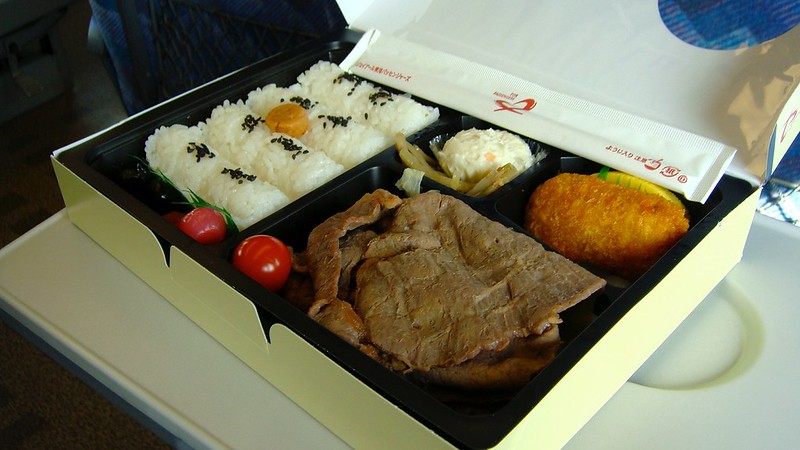
- Ekiben boxes stacked neatly in station shops
- The soft “sumimasen” as someone slips past
- Warm air greeting you as the train doors open
Movement becomes grounding — clarity often arrives between places, not at them.
Why Tokyo by Train Feels Different
By the time you step off the train, you’re not just in a new neighbourhood — you’re in a new frame of mind. Tokyo doesn’t rush you.
Tokyo carries you.