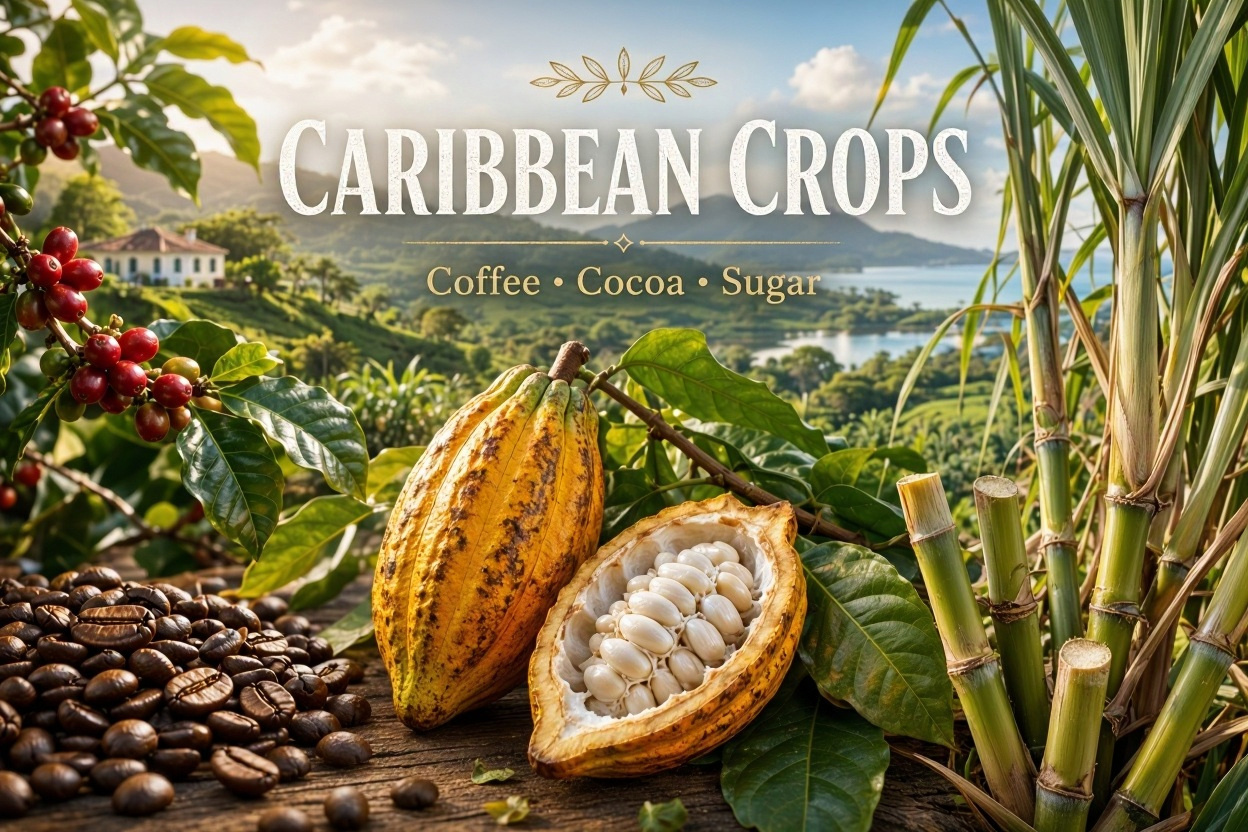
Coffee, Cocoa & Sugar: The Crops That Shaped the Caribbean
In our travel feature, Greater Antilles Travel: Cuba, Puerto Rico & the Dominican Republic, we explored the cities, cultures, and historical forces that shaped some of the Caribbean’s most influential societies. Beneath those colonial streets, fortifications, and historic plazas lies another story: the story of crops that transformed the region and connected it to the wider world.
The Caribbean is often associated with turquoise waters, tropical fruit, and island cuisine. Yet for centuries, its global significance rested not upon its scenery, but upon three commodities: sugar, coffee, and cocoa.
These crops reshaped landscapes, fuelled empires, generated immense wealth, and influenced the movement of millions of people. They connected small islands to international markets and turned the Caribbean into one of the most important regions in the Atlantic economy.
Today, their legacy remains visible not only in history books, but also in Caribbean culture, cuisine, and everyday life.
Sugar: The Crop That Changed the Caribbean
Few agricultural products transformed a region as profoundly as sugar transformed the Caribbean.
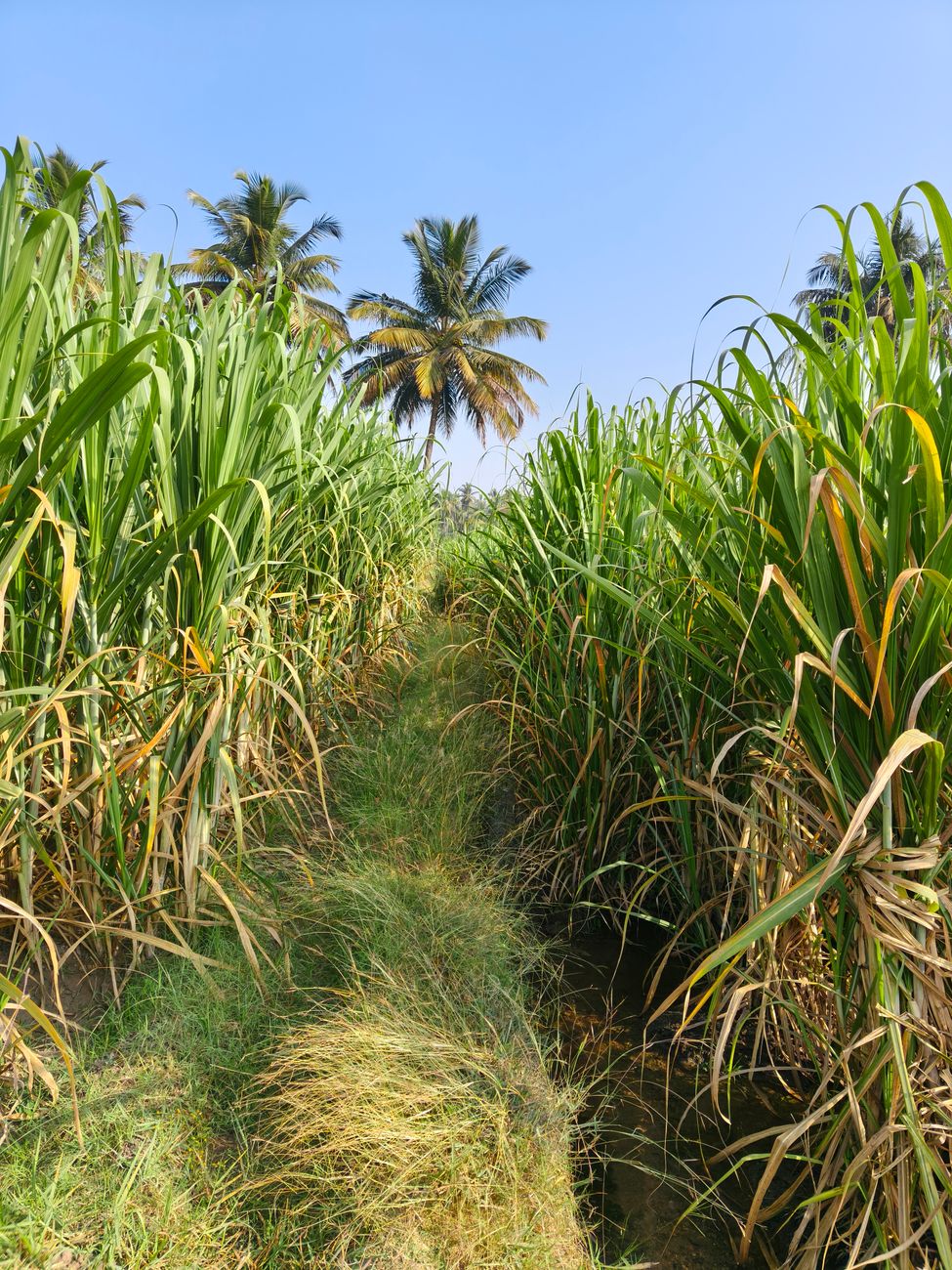
Photo by Kishan m.k on Pexels.com
Introduced during the colonial era, sugar cane thrived in the region’s tropical climate. European demand for sugar grew rapidly, turning Caribbean plantations into some of the most profitable enterprises in the world.
As plantations expanded, so did the demand for labour. Enslaved Africans were transported across the Atlantic in vast numbers, creating societies whose demographic, cultural, and economic foundations were shaped by slavery and plantation agriculture.
Sugar became far more than an agricultural commodity.
It influenced trade routes, colonial policies, banking systems, and international politics. Wealth generated from Caribbean sugar helped finance development in European cities while profoundly affecting the lives of those who laboured in the fields.
Caribbean Crops and the Atlantic World
The story of sugar reveals how deeply interconnected the world had become.
A teaspoon of sugar consumed in London, Madrid, or Paris often had origins in Caribbean soil. What seemed like a simple everyday product connected consumers to a vast network of plantations, ports, ships, merchants, and labourers.
The Caribbean became one of the central engines of this global system.
Coffee: From Mountain Slopes to Morning Rituals
If sugar shaped empires, coffee shaped habits.
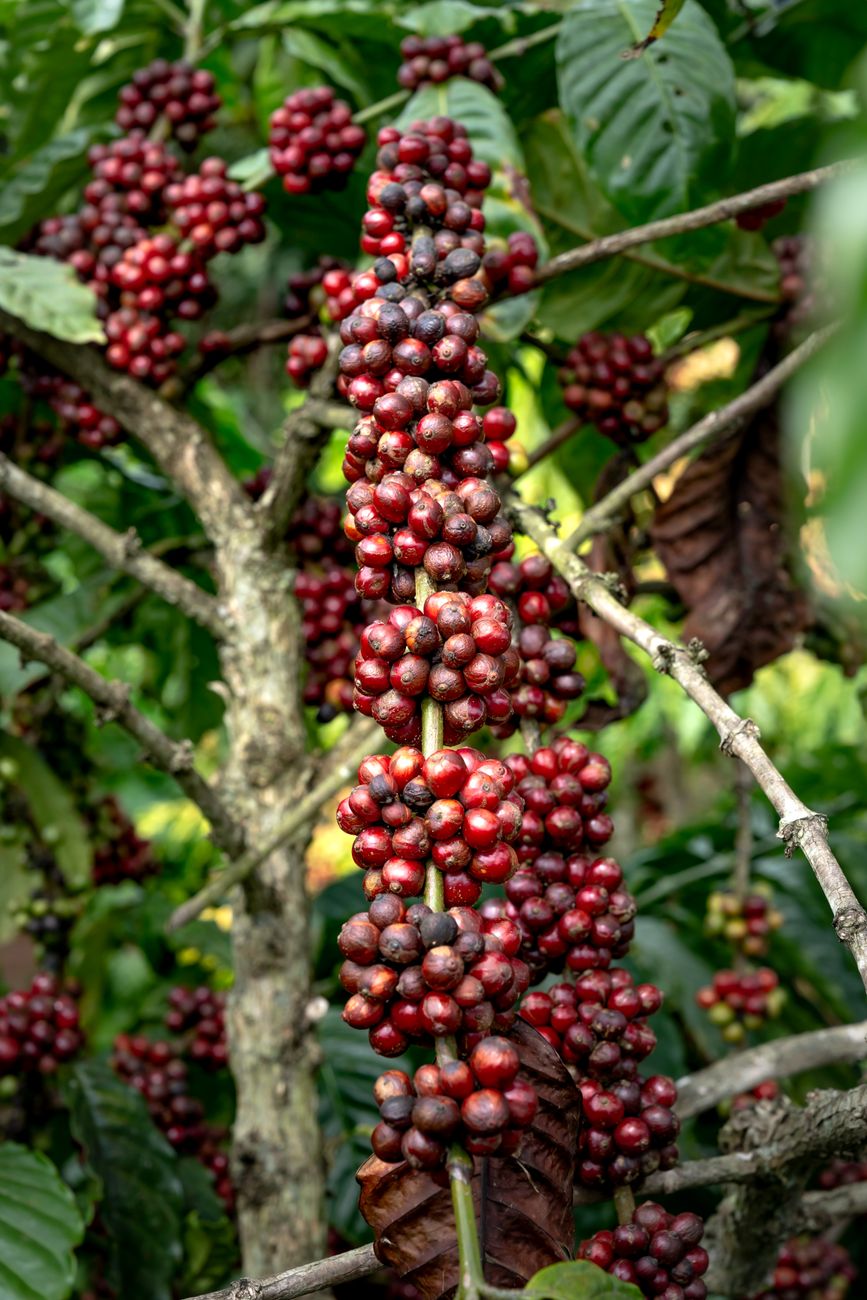
Photo by Quang Nguyen Vinh on Pexels.com
Coffee cultivation spread throughout parts of the Caribbean, particularly in mountainous regions where elevation and climate provided ideal growing conditions.
In Cuba, the Dominican Republic, Puerto Rico, and other islands, coffee estates became important economic and cultural institutions. Generations of farmers cultivated beans that would eventually find their way into homes and cafés around the world.
Unlike sugar, which was often associated with large plantation systems, coffee frequently developed closer relationships with local farming communities and regional identities.
Coffee and Everyday Life
For many people today, coffee is simply part of a daily routine.
Yet every cup reflects centuries of agricultural knowledge, trade, and cultural adaptation.
Indian readers may recognize a similar story in the coffee-growing regions of Coorg and Chikmagalur, where cultivation shaped local economies and cultural traditions. Although separated by oceans, Caribbean and Indian coffee landscapes share a common history of global demand, agricultural expertise, and regional pride.
Coffee became more than a crop.
It became a ritual.
Cocoa: The Caribbean’s Chocolate Heritage
Long before chocolate became a global luxury, cocoa held cultural and ceremonial significance in the Americas.
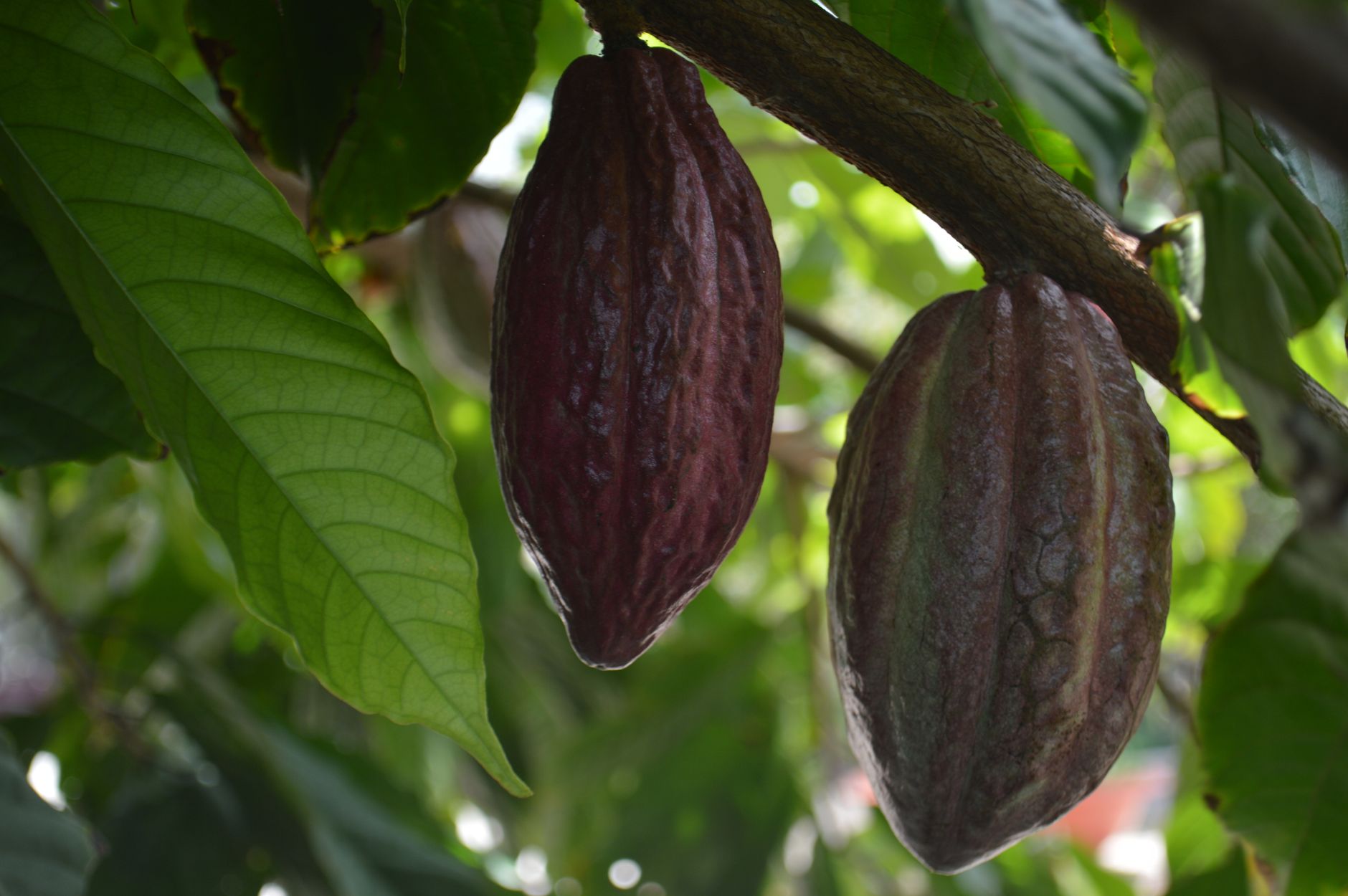
Photo by Valeria Drozdova on Pexels.com
Indigenous peoples cultivated and used cacao centuries before European colonization. The plant’s history therefore predates many of the economic systems that later emerged across the Caribbean.
When Europeans encountered cocoa, demand gradually expanded. Over time, cacao moved from local use into international trade networks, creating new opportunities for cultivation and commerce.
From Sacred Ingredient to Global Commodity
The transformation of cocoa reflects a broader Caribbean pattern.
Local products often became global commodities.
What began as a culturally significant crop eventually entered international markets, influencing tastes far beyond the region where it originated.
Today, cocoa continues to occupy an important place within Caribbean agriculture and cultural identity, linking contemporary chocolate production to centuries of history.
Caribbean Crops and Indian Echoes
For Indian readers, the Caribbean’s agricultural story may feel surprisingly familiar.
Just as sugar shaped economies across the Caribbean, tea transformed regions such as Assam and Darjeeling. Coffee helped define parts of southern India, while spice plantations influenced the development of Kerala and other coastal areas.
Although the historical circumstances differed, both regions experienced the powerful influence of plantation agriculture, global trade, and colonial economic systems.
The comparison reminds us that tropical landscapes often become part of much larger global stories.
Fields and plantations are never merely agricultural spaces.
They are places where economics, politics, culture, and human experience intersect.
Shared Histories of Production and Exchange
The Caribbean and India occupied important positions within global trade networks for centuries. Crops cultivated in tropical climates supplied distant markets, connecting local communities to international demand.
These connections continue to shape food cultures today.
Whether through a cup of coffee, a piece of chocolate, or a spoonful of sugar, the legacies of these systems remain present in everyday life.
More Than Commodities
Coffee, cocoa, and sugar transformed the Caribbean into one of the world’s most significant economic regions.
Their influence extended far beyond agriculture. They shaped migration, labour systems, trade networks, cultural practices, and social structures whose effects are still visible today.
Yet reducing these crops to economics alone would miss an important part of their story.
Coffee became a daily ritual.
Cocoa became a symbol of both heritage and craftsmanship.
Sugar influenced cuisines, celebrations, and food traditions across generations, many of them still found among the staples of the Caribbean kitchen.
What began as commodities eventually became culture.
As the Caribbean Arc continues, these crops remind us that history is often hidden in ordinary experiences. A morning cup of coffee, a piece of chocolate, or a sweet dessert may appear simple, but each carries traces of journeys that crossed oceans and connected distant parts of the world.
The Caribbean’s story is written not only in its cities and coastlines, but also in the crops that helped shape its place in history.