Caribbean Food Staples: Plantains, Coconut, Saltfish & Fruit
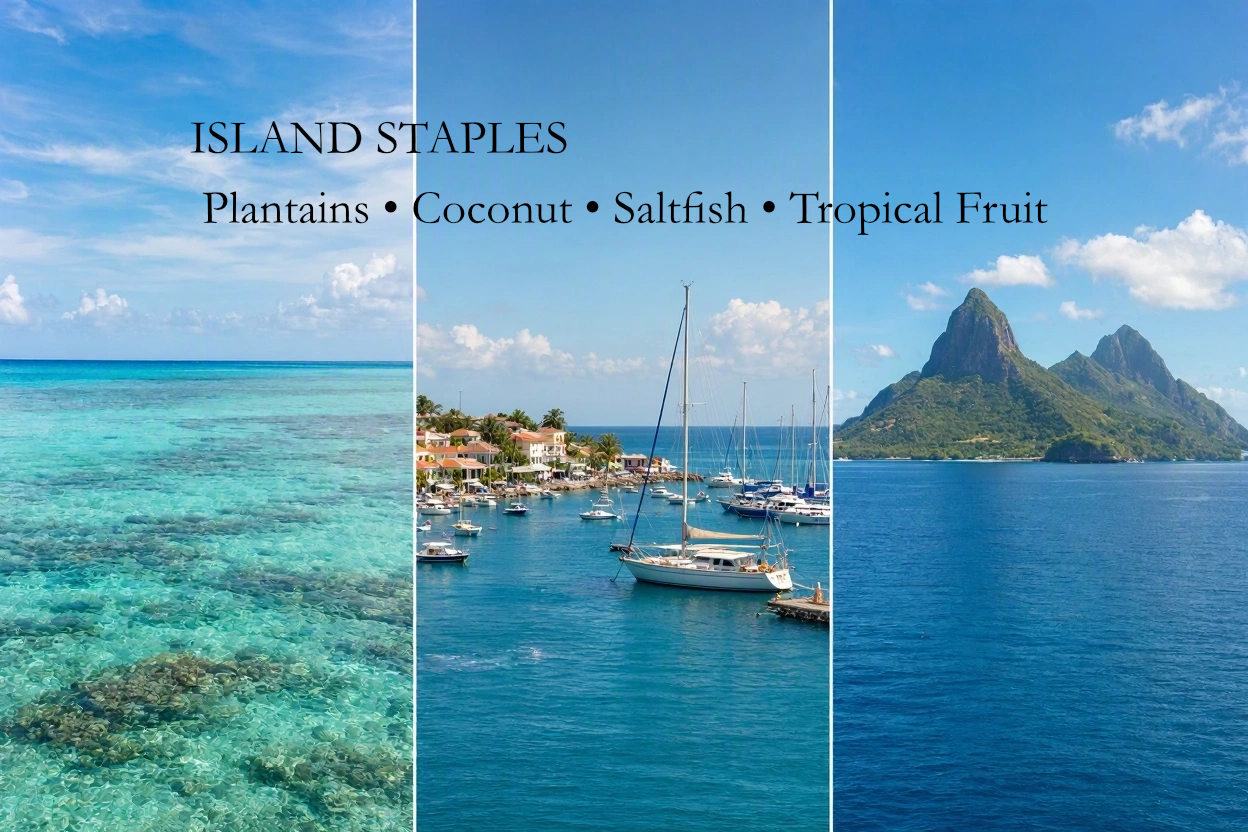
In our travel feature, Caribbean Arrival: Belize, Antigua & St. Lucia – Three Shades of Blue, we explored how reefs, harbors, and volcanic peaks shape three distinctive Caribbean landscapes. The same geography that defines the region’s scenery also shapes its food.
The Caribbean is often introduced through its beaches, music, and dazzling shades of blue. Yet to understand the region more deeply, one must step into its kitchens.
Across the Caribbean, food reflects centuries of migration, trade, adaptation, and cultural exchange. Indigenous communities cultivated local crops long before European ships arrived. African culinary traditions crossed the Atlantic with enslaved peoples. Colonial trade networks introduced new ingredients, while later migrations added fresh influences to an already complex food culture.
For Indian readers, Caribbean cuisine often feels surprisingly familiar. Plantains resemble ingredients long used in South Indian and Bengali cooking. Coconut forms the foundation of countless dishes on both sides of the world. Tropical fruits fill markets from the Caribbean Sea to the Indian Ocean.
Yet familiar ingredients tell different stories.
Behind every Caribbean meal lies a unique history shaped by Indigenous knowledge, African resilience, colonial encounters, and generations of cultural adaptation. To understand the Caribbean beyond its turquoise waters, it helps to begin with the ingredients that appear on everyday tables across the region.
Plantains: The Caribbean’s Everyday Staple
How Plantains Became Caribbean Food Staples
For many Indians, the easiest point of culinary connection is the plantain.
Across Kerala, Tamil Nadu, Bengal, and parts of coastal Karnataka, raw bananas and plantains appear in curries, fries, chips, and festive meals. The Caribbean uses them with similar versatility. Green plantains are fried into crisp chips, boiled alongside fish, mashed into savory preparations, or served as hearty accompaniments to stews. As they ripen, they become sweeter and are transformed into caramelized side dishes and desserts.
The similarity is not accidental. Tropical climates in both regions favor the cultivation of plantains, making them reliable and nourishing everyday foods.
Yet the Caribbean story also reflects African culinary influence. Enslaved Africans carried agricultural knowledge and cooking traditions across the Atlantic, adapting familiar practices to new environments. Over generations, plantains became central to Caribbean cooking, just as they had long been important in parts of West Africa.
From Kerala’s Banana Chips to Caribbean Fried Plantains
An Indian traveler tasting fried plantains in the Caribbean may be reminded of banana chips from Kerala or raw banana preparations from Bengal. The ingredients are similar, but the seasonings, techniques, and historical contexts reveal distinct culinary identities.
Coconut: A Shared Language of Tropical Coasts
Why Coconut Remains One of the Most Important Caribbean Food Staples
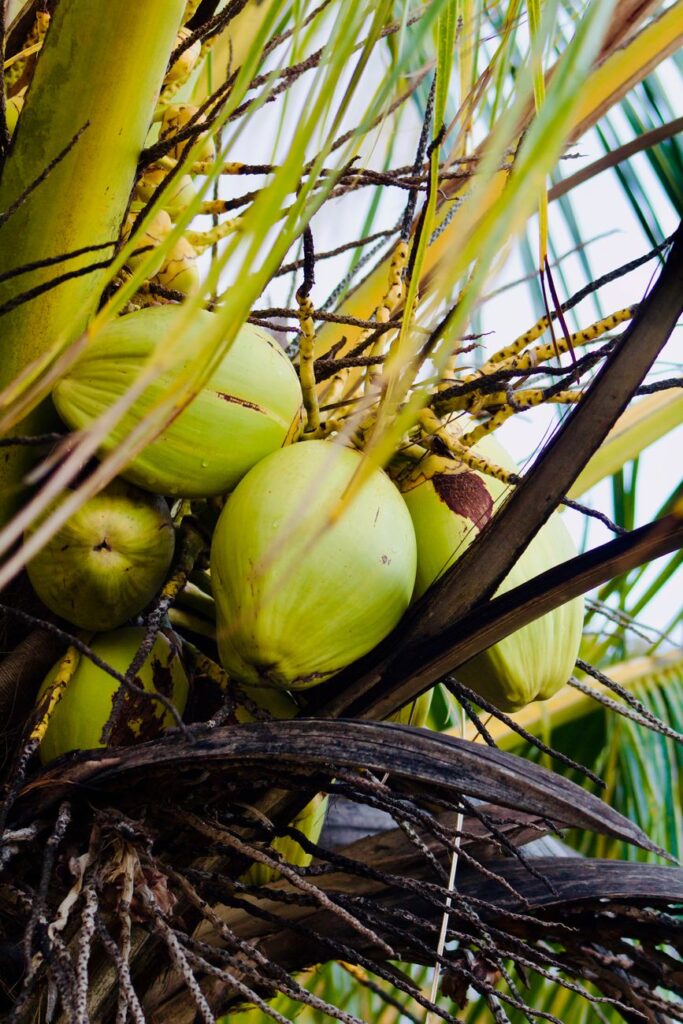
If there is one ingredient that creates an immediate bridge between India and the Caribbean, it is coconut.
In coastal India, coconut shapes entire culinary traditions. It enriches curries in Kerala, appears in chutneys along the Konkan Coast, flavors Goan seafood dishes, and forms the backbone of countless sweets.
The Caribbean relationship with coconut is equally profound.
Coconut milk enriches rice dishes, seafood stews, soups, and curries throughout the islands. Coconut flesh appears in desserts and snacks, while fresh coconut water offers refreshment under the tropical sun.
Thousands of kilometers apart, tropical societies arrived at remarkably similar culinary solutions. A versatile ingredient that grows abundantly along warm coastlines naturally became indispensable to everyday cooking.
Coconut Across Oceans
The parallels between Indian and Caribbean food demonstrate how geography shapes cuisine. Communities living in tropical coastal environments often discover similar ways of using local ingredients, even when separated by continents and centuries.
Saltfish: Where the Caribbean Story Becomes Distinct
Saltfish and the History Behind Caribbean Food Staples
If plantains and coconut feel familiar, saltfish introduces readers to a uniquely Caribbean historical journey.
Unlike fresh fish, which dominates many Indian coastal cuisines, saltfish emerged from the realities of Atlantic trade. Salted cod could survive long sea voyages and became a staple commodity moving between Europe, North America, Africa, and the Caribbean.
During the colonial era, saltfish was widely distributed throughout plantation societies because it was inexpensive, durable, and easy to transport.
What makes Caribbean food remarkable is what happened next.
Communities transformed a utilitarian imported product into beloved local cuisine. Combined with peppers, herbs, vegetables, and local cooking traditions, saltfish became woven into the culinary identity of numerous islands.
Food as Historical Memory
Saltfish offers a reminder that food is never just nourishment. It carries the history of trade routes, migration, labor, and adaptation. Few ingredients illustrate the interconnected history of the Atlantic world as vividly as a plate of Caribbean saltfish.
Tropical Fruit: Familiar Abundance
Nothing may feel more familiar to Indian readers than the Caribbean’s extraordinary variety of tropical fruit.
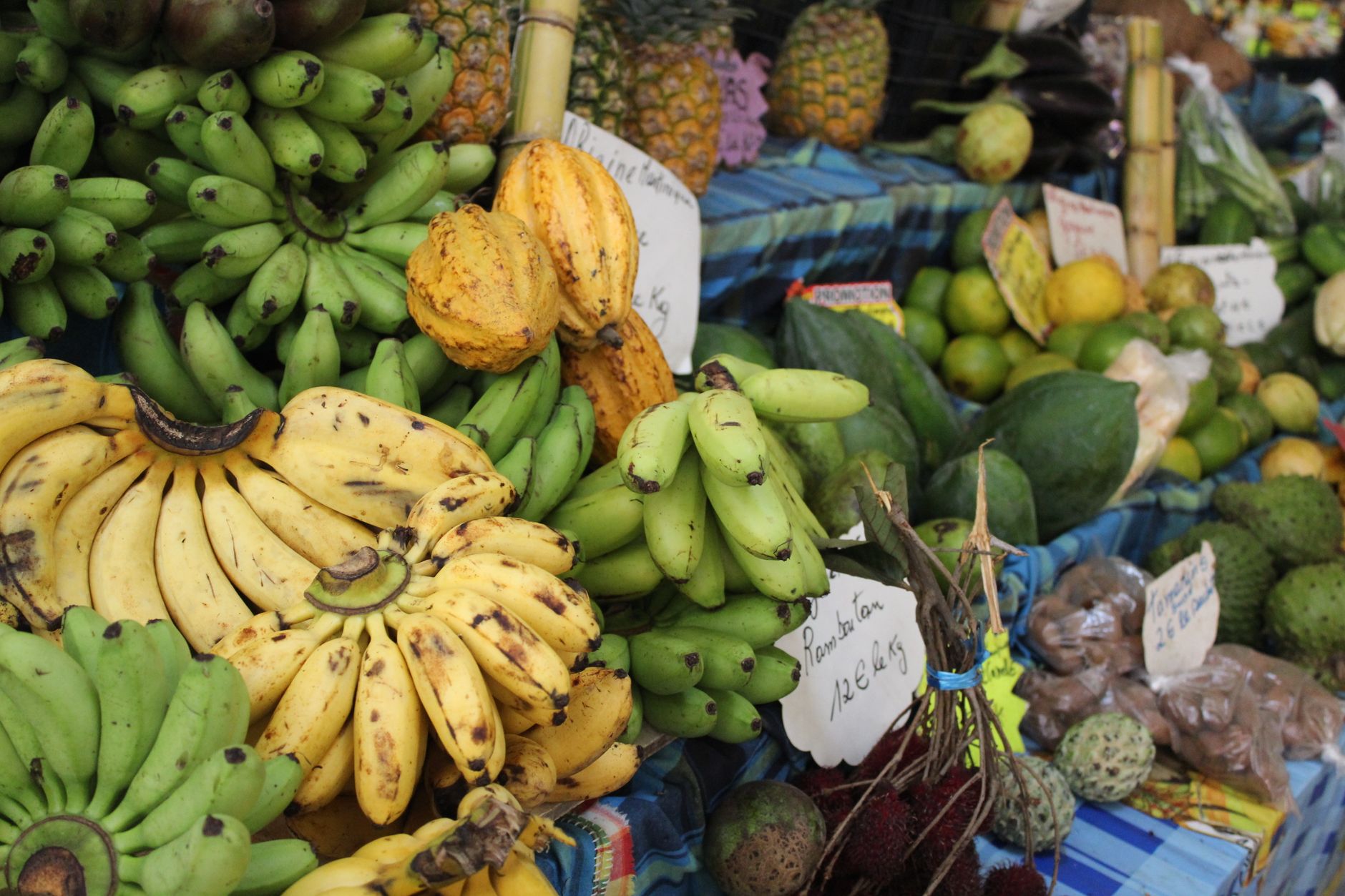
Photo by Eli Fransen on Pexels.com
Mangoes, guavas, papayas, passion fruit, pineapples, coconuts, and breadfruit flourish across the islands. Markets overflow with colors and aromas that would evoke memories of Indian summer fruit stalls.
The Caribbean relationship with fruit extends beyond commerce. Seasonal harvests remain deeply connected to community life and local food traditions.
Fresh fruit appears in juices, desserts, preserves, sauces, and everyday snacks. Like their counterparts in tropical India, Caribbean kitchens often rely on what is fresh, abundant, and locally available.
The Rhythm of the Seasons
Just as mango season carries special significance across India, the arrival of specific fruits marks seasonal rhythms throughout the Caribbean. Food remains closely tied to climate, landscape, and agricultural cycles.
The Legacy of Indian Influence in the Caribbean
There is another reason some Caribbean flavors feel unexpectedly familiar.
Beginning in the nineteenth century, large numbers of Indian indentured laborers arrived in Caribbean colonies, particularly in Trinidad and Tobago, Guyana, and Suriname. They brought spices, culinary traditions, and agricultural practices that continue to influence the region today.
Curries, roti, chutneys, and spice blends found throughout parts of the Caribbean testify to these enduring cultural connections.
While Belize, Antigua, and St. Lucia developed their own distinct culinary identities, the broader Caribbean food story includes an important Indian chapter that continues to shape the region’s gastronomic landscape.
Caribbean Food Staples: More Than Ingredients
Plantains, coconut, saltfish, and tropical fruit are more than everyday foods. They are cultural storytellers.
Together they reveal a Caribbean shaped by Indigenous traditions, African heritage, European colonial networks, and global migrations. Some ingredients feel familiar to Indian readers because tropical environments often encourage similar culinary practices. Others reveal histories that are uniquely Caribbean.
That combination of familiarity and difference is what makes Caribbean cuisine so compelling.
A visitor from India may recognize the coconut, the plantain, and the mango. Yet behind these familiar flavors lies an entirely different historical journey, one that stretches across oceans and centuries.
The Caribbean’s blue waters may draw travelers to its shores, but its food offers one of the most rewarding ways to understand the islands themselves.
Just as the sea connected Belize, Antigua, and St. Lucia in our travel feature, these staple ingredients connect diverse Caribbean communities through shared traditions, histories, and everyday meals.