
We call Earth our mother because she has held us, nourished us, and guided us for centuries. You don’t need to be spiritual to feel this connection — it’s simply the truth of where we come from and what sustains us.
In our fast-paced world, we often drift away from nature. Noise, pollution, stress, and constant consumption have become part of daily life. Earth Day, observed every year on April 22, is a gentle reminder to pause, reconnect, and take responsibility for the planet that gives us everything.
Why Earth Day Matters
Earth Day is not just a symbolic date. It is a global movement that encourages individuals, communities, and nations to take meaningful steps toward a sustainable future. According to the Earth Day global movement (EarthDay.org), millions of people across 190+ countries participate in activities that promote environmental protection and climate awareness.
The challenges we face today — rising temperatures, biodiversity loss, plastic pollution, and extreme weather — remind us that environmental care is not optional. It is essential. As NASA Climate Change explains, the planet is warming at an unprecedented rate, and the choices we make today will shape the world future generations inherit.
Earth Day encourages us to reflect on:
- the health of our ecosystems
- the impact of our choices
- the urgency of climate action
- the need to protect biodiversity
- our shared responsibility to live in harmony with nature
It’s not just a date on the calendar — it’s a global movement that inspires millions to take meaningful steps toward a sustainable future.
Earth Day also reminds us that small, consistent actions taken by individuals can collectively create powerful environmental change, shaping a healthier world for generations to come.
Simple Ways to Honour Earth Day
1. Donate or Reuse What You Don’t Need
Manufacturing new clothes consumes enormous water and energy. Clearing your wardrobe and donating unused items reduces waste and supports someone in need. It’s a small act with a big ripple effect.
2. Start Composting at Home
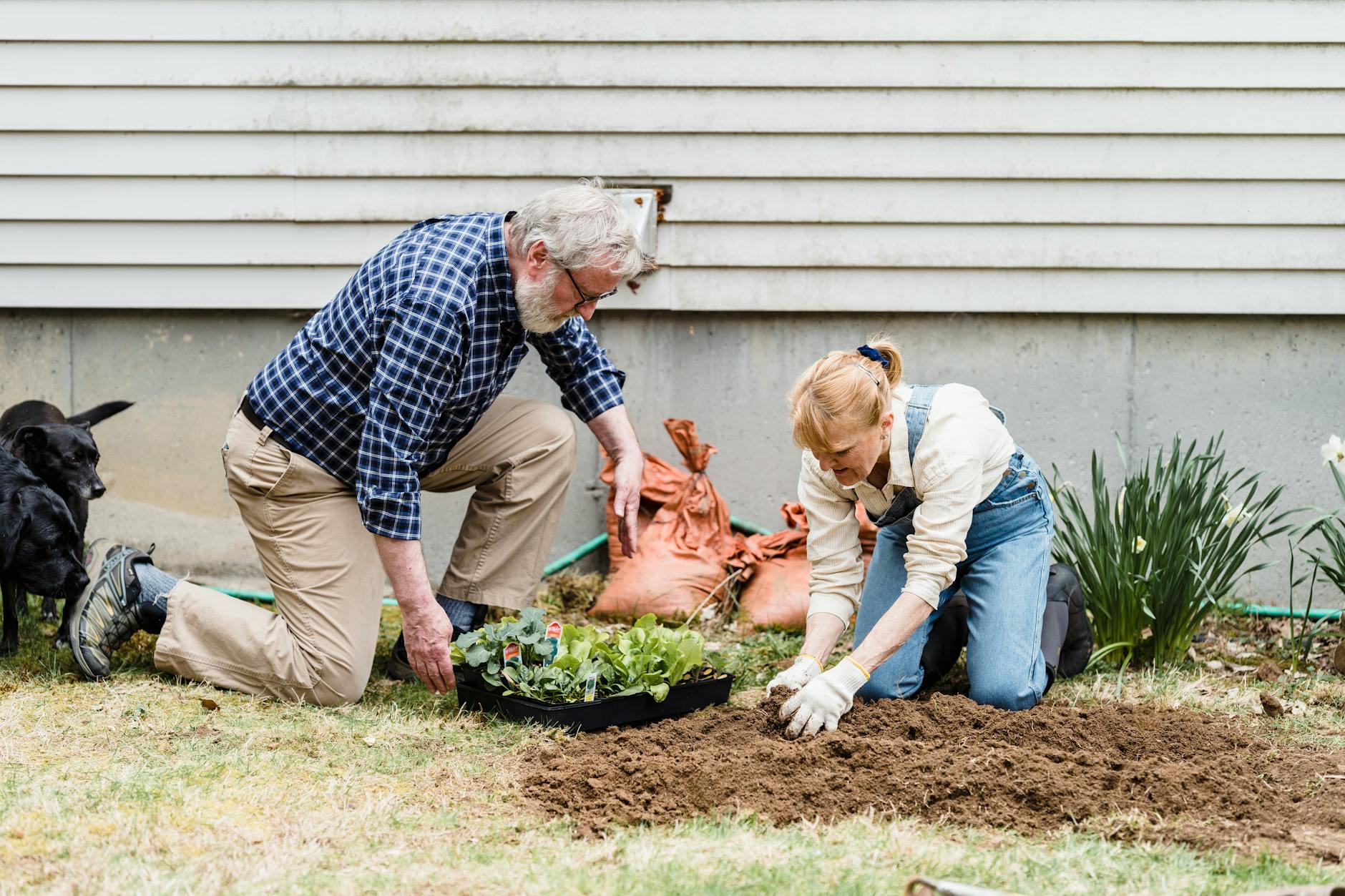
Food scraps, dry leaves, eggshells, and paper can become nutrient-rich compost. It reduces landfill waste and enriches soil for gardening and urban farming. The UN Environment Programme highlights composting as one of the simplest ways individuals can reduce their carbon footprint.
3. Plant a Tree — or Support Reforestation
Trees absorb carbon dioxide, cool the environment, and support biodiversity. Even one tree can make a difference. The FAO Forest Restoration initiative shows how community-led planting efforts can revive degraded landscapes and restore ecological balance.
4. Choose a Car‑Free Day
Walk, cycle, or use public transport. You reduce emissions and improve your own health. Even one car-free day a week can significantly cut your carbon footprint.
5. Say No to Single‑Use Plastics

Carry a cloth or jute bag. Avoid disposable plastics whenever possible. Small habits create big change. Small habits create big change, especially when adopted collectively.
A Thought to Carry Forward
“Civilization is rooted in nature… living in harmony with nature gives us the best opportunities for creativity, rest, and renewal.” — World Charter for Nature
Earth Day is not just about one day of action. It’s about remembering that every choice we make — big or small — shapes the future of our planet. Whether it’s planting a tree, composting kitchen waste, or simply choosing to walk instead of drive, each step brings us closer to a healthier, more balanced world.
When we choose mindful habits and reconnect with the natural world around us, we strengthen not only the planet but also our own sense of balance, purpose, and well-being.
Let’s take the first step today — and every day.

Image credit- Pixabay
If you’d like to continue your sustainability journey, our Go Green article offers practical tips for eco‑friendly living
4.5