Northern Light Essay: From Gold to Scandinavia’s Blue
The Northern Light Essay— Gold to Blue
The Shift in Light
There is a moment, somewhere between Germany’s warm late‑summer afternoons and Sweden’s cool September mornings, when the light itself seems to change its mind. Central Europe gives you gold — a mellow, honeyed warmth that softens edges and deepens colour. Scandinavia gives you blue — a diffused, silver‑grey quiet that makes everything feel spacious, slowed, and slightly introspective.

This shift is not just visual. It is emotional. It is literary.
🌒 The Scandinavian Blue — A Literary Light
Nordic writers have always understood this blue‑silver light as a character in their work.
- Tove Jansson writes it as a kind of emotional weather — gentle, melancholic, and deeply human.
- Karl Ove Knausgård treats it as a mirror, reflecting the inner life with almost painful clarity.
- Tomas Tranströmer lets the light dissolve boundaries between the outer world and the inner one, creating poems that feel like quiet rooms.
- Per Petterson uses it to soften grief, turning landscapes into emotional companions.

This light is not dramatic. It does not shout. It does not perform.
It simply exists, and in its existence, it changes how you see.
🌕 The Central European Gold — A Northern Light Essay Perspective
Move south and the palette warms.
- Stefan Zweig’s Vienna glows with amber nostalgia.
- Rainer Maria Rilke writes in a golden hush, where light feels like memory.
- Joseph Roth captures the fading warmth of empires in tones that feel almost sepia.
Gold is a light of abundance, of fullness, of late‑summer generosity.
Blue is a light of clarity, of quiet, of early‑autumn restraint.
Both are beautiful. Both are true. But they tell different stories.
🌫️ Where the Two Lights Meet — September
September is the hinge month.
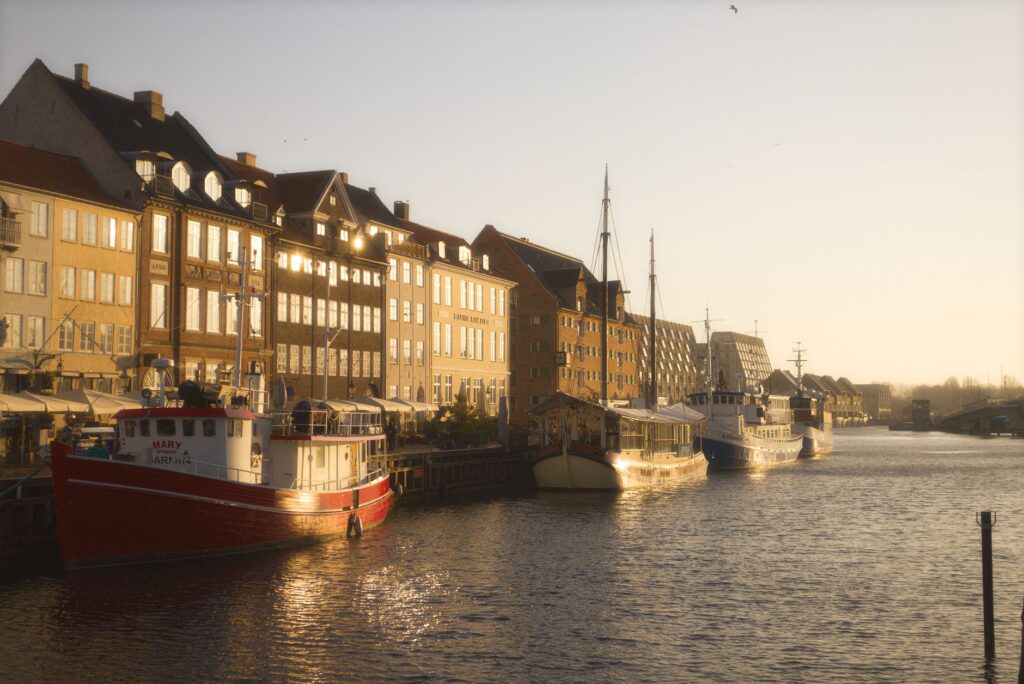
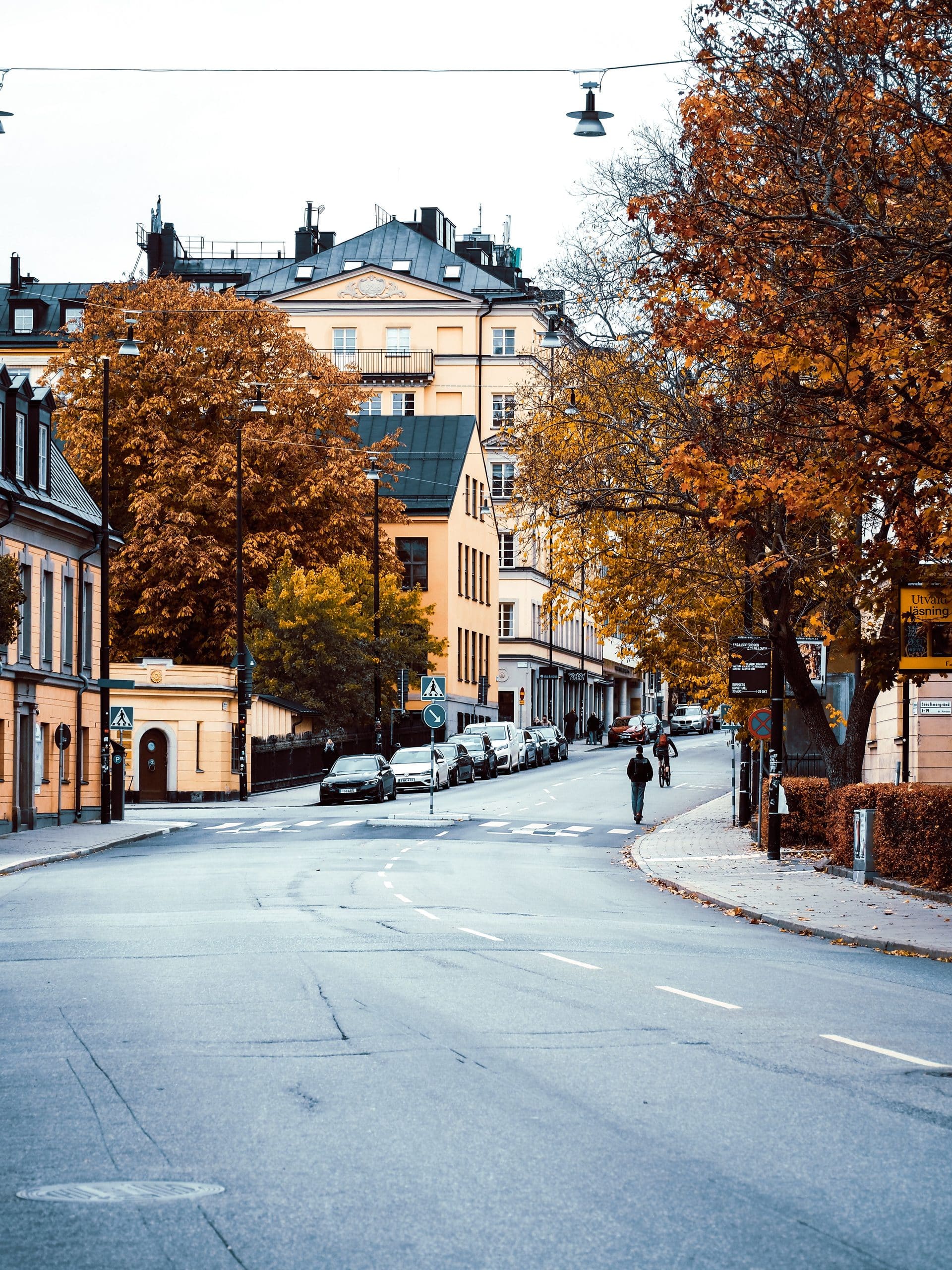
If you missed the previous posts- Copenhagen & Stockholm: Nordic Urban Calm in Early Autumn the cities showed you how the light behaves- soft, diffused, cool, reflective.

Nordic Breakfast Culture: Rye, Berries, Butter, Coffee the kitchens showed you how the light feels:
minimal, calm, steady, intentional.
Now, in Literature, the writers show you how the light thinks: quietly, inwardly, with a kind of northern discipline.
You stand in the doorway between:
- the gold of Central Europe
- the blue of Scandinavia
and you feel the season turning in the sky.
This is the light that shaped your cities, your kitchens, and now your stories.
✒️ Closing Reflection — How This Northern Light Essay Turns Light into Narrative
Writers have always known that light shapes emotion.
Gold invites warmth. Blue invites introspection.
And somewhere between the two, you find the perfect September mood:
A calm, reflective space where stories slow down, colours soften, and the world feels like a page turning quietly.