Places to Visit in Kashmir: A Journey Through the Valley’s Quiet Beauty
Kashmir has long been described as a place where nature slows down and the world feels softer. With its snow‑covered mountains, still lakes, and meadows that shift colours through the seasons, the region offers a kind of beauty that feels both cinematic and deeply calming. Whether you’re drawn to quiet landscapes, mountain air, or cultural heritage, Kashmir has a way of leaving a lasting impression. This guide brings together some of the most beautiful places to visit in Kashmir, offering a slow and immersive look at the valley.
Srinagar: Lakes, Gardens, and Spring Blooms
Srinagar is the heart of Kashmir and often the first stop for travellers. Dal Lake, with its wooden houseboats and colourful shikaras, is one of the most iconic sights in India. Early mornings on the lake are especially peaceful — soft light, gentle ripples, and the distant outline of the Zabarwan Range.
The Mughal Gardens add another layer of charm. Nishat Bagh, Shalimar Bagh, and Chashme Shahi reflect the elegance of Mughal design, with terraced lawns, fountains, and panoramic views of the lake. In spring, the Indira Gandhi Memorial Tulip Garden bursts into colour, making Srinagar one of the most vibrant destinations of the season.

Gulmarg: Meadows, Snow, and Wide Horizons
Gulmarg is known for its sweeping meadows and winter landscapes. In summer, the grasslands turn lush and green, dotted with wildflowers. In winter, the region becomes a skiing destination, with powdery slopes and crisp mountain air.
The Gulmarg Gondola — one of the highest cable cars in the world — offers breathtaking views of the Himalayas. Whether you visit for adventure or quiet walks, Gulmarg has a way of making the world feel larger and more open.
Pahalgam: Rivers, Forests, and Mountain Trails
Pahalgam sits at the confluence of the Lidder River and Sheshnag Lake, surrounded by pine forests and mountain paths. It’s a place for slow travel — riverside walks, picnics, and gentle hikes. The Betaab Valley, named after a Bollywood film shot here, is known for its rolling meadows and clear streams.
For those who enjoy trekking, Pahalgam serves as a base for several routes that lead deeper into the mountains. Even if you’re not trekking, the region’s landscapes offer a sense of calm that’s hard to find elsewhere.
Yusmarg: A Quiet Escape into Nature
Less crowded than other destinations, Yusmarg is ideal for travellers seeking solitude. Dense forests, open meadows, and gentle trails make it perfect for long walks. The region’s simplicity is its charm — no rush, no noise, just nature at its own pace.
Aharbal Waterfall: Kashmir’s Hidden Gem
Often called the “Niagara of Kashmir,” Aharbal Waterfall is powerful and striking. Surrounded by pine forests and rugged terrain, the waterfall offers a refreshing contrast to the valley’s softer landscapes. It’s an excellent spot for photography and short hikes.
Why Kashmir Leaves a Lasting Impression
Kashmir is more than a destination; it’s an experience shaped by light, landscape, and silence. Every season brings a different mood — spring blossoms, summer meadows, autumn gold, and winter snow. Whether you’re exploring lakes, valleys, gardens, or mountain paths, the region has a way of slowing time.
If you enjoy spring landscapes, you may also like reading about tulip festivals around the world, where colour and season come together in beautiful ways.
For official travel updates, seasonal timings, and visitor information, you can refer to the Jammu & Kashmir Tourism Development Corporation website.
Sonamarg: The Meadow of Gold
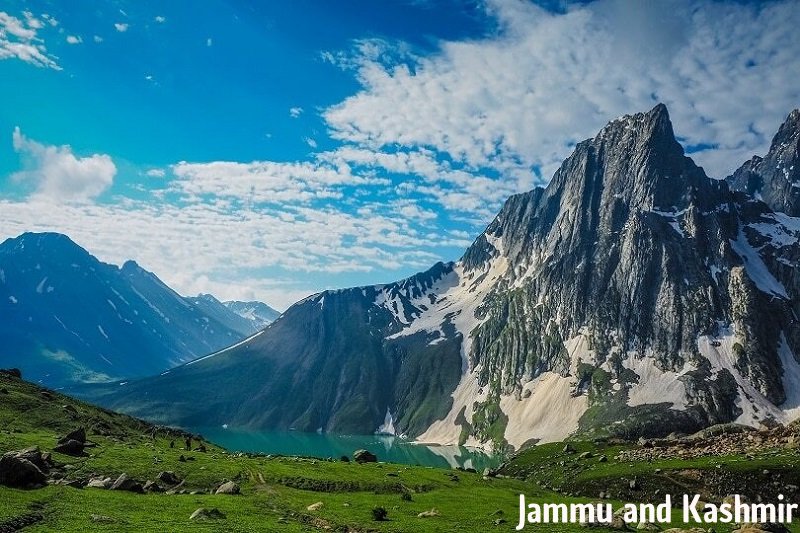
Sonamarg is dramatic and expansive. Snow‑covered peaks rise sharply, glaciers glisten in the sunlight, and the Sind River flows through the valley. The Thajiwas Glacier is a popular spot, accessible by a short trek or pony ride.
In spring and summer, the meadows come alive with flowers, making Sonamarg one of the most picturesque places to visit in Kashmir. The region also serves as a gateway to Ladakh, adding to its appeal for travellers who enjoy high‑altitude landscapes.
Budgam
Located only half an hour south of Srinagar, the state capital and largest city, Budgam is a town with a population of over 15,000. This place is a true reflection of the authentic charm of Kashmir. It offers a harmonious blend of natural wonders, including the vast fields of Yusmarg (details below) and Doodhpathri, nestled in densely forested hills. Historic sites like the 16th century Hari Parbat Fort and delightful gardens like Shalimar Bagh, Chashma Shahi, and Mughal Gardens add to their charm.
Baramulla
Located in the north-west of Kashmir, Baramulla is a small town with a population of about 71,000, whose origins date back to 2306 BC. Apart from the city’s various temples and shrines, notable nearby towns include Parihaspora, the 8th-century capital of Kashmir, famous for its ruins, and Gulmarg, set amidst snow-capped peaks and famous for winter sports. Which includes the world’s highest green golf course. , The surrounding area is a center of attraction for nature lovers, being home to Manasbal Lake (particularly attractive for bird lovers), Uri (an excellent spot for barbecue), Wular Lake (Asia’s largest freshwater lake), and Gulmarg offers attractions such as Biosphere Reserve (an excellent destination for birdwatchers). Hunting birds and observing fauna like musk deer and snow leopard).
Bhaderwah
Nestled in the wooded, river-crossed foothills of the Himalayas, about 1,613 meters above sea level and a six-hour drive from the nearest major city, Jammu, Bhaderwah is a town of 11,000 with an 18th-century fort and several historic temples. Is the city. Its primary attraction lies in its setting, making it an ideal destination for both adventure enthusiasts and nature lovers. The diverse and stunning landscape of mountains, valleys, and fields has earned it the nickname “Mini Kashmir”. Popular among trekkers, whitewater rafters, mountain bikers, and skiers, Bhaderwah offers a picturesque experience.
Gurez
Situated at an altitude of 2,400 meters (8,000 ft) in the high Himalayas in the far north of Kashmir, Gurez, once a part of the old Silk Road, is one of the most picturesque valleys in the state. Dawar, its central city, hosts the Sufi pilgrimage center of Pir Darwish. In the valley adorned with waterfalls and quaint wooden villages, tourists can engage in trekking, rafting in the clear blue waters of the Neelam River, camping, fishing, and rock climbing. It is important to note that the road leading to Gurez remains closed from November to May due to heavy snowfall (up to 15 feet). Careful planning is required, but Gurez’s breathtaking beauty makes it worth the effort.
Jammu
Founded in the 9th century and home to approximately 576,000 inhabitants, Jammu holds the prestigious title of the holiest city of Kashmir, often referred to as the “City of Temples”. Holy sites include the Mata Vaishno Devi Hindu cave temple, the Peer Baba Muslim Sufi temple, Mahamaya, Peer Kho (also within a cave), and the temples of Raghunath (above) and Ranbireshwar. Other notable attractions include the Old Quarter, the mid-16th century sandstone Bahu Fort, the early 19th century Mubarak Mandi and Amar Mahal palaces, Rani Park in the city center, Peer Mitha, Karbala and the Nandini Wildlife Refuge.
Kishtwar
Located about 6½ hours southwest of Jammu, this town of 14,000 offers more than just a few attractions. Although it houses a 17th-century Sufi saint’s shrine, its real attraction lies in its surroundings, which are surrounded by high, wooded hills, making it an ideal area for hikers, and wildlife lovers (Kishtwar High Altitude National Park The park is home to numerous bird species and mammals such as the Indian muntjac, Himalayan tahr, hangul and snow leopard), as well as rock climbers and mountaineers (peaks as high as 6,000 to 7,000 m). The area is also famous for saffron, both in the nearby Paddar Valley and in the saffron fields. Don’t miss a dip in the local Tattva hot springs!
Kupwara
Nestled among snow-clad mountain ranges in the far north-west (about an hour and a half from Baramulla), Kupwara, which has a population of 70,000, has several notable temples and shrines, including the shrine of the Muslim saint Hazrat Muhammad, Kheer Bhawani, Are included. And Shaloora. Anch Hill offers breathtaking panoramic views of the valley of Kashmir, and the nearby beautiful Lolab Valley with its half-a-dozen charming villages is worth a visit.
Ladakh
Located in the northeast corner of Kashmir, bordering Tibet and predominantly Tibetan in culture, Ladakh, once a Buddhist kingdom in the Himalayas, opened for tourism in 1974. It is rich in Buddhist stupas, temples, and holy places, especially in the capital, Leh, and other areas such as Namgyal Tsemo Gompa (above) and Hemis and Thiksey Monastery. Ladakh’s natural wonders are awe-inspiring, including towering snow-capped peaks, spectacular lakes like Pangong, and rivers increasingly popular for whitewater rafting. With activities including trekking, biking, mountain biking, and mountaineering, Ladakh stands out as a world-class adventure travel destination.
Pahalgam
Located just two and a half hours east of Srinagar, this colonial-era hill station stands at an altitude of 2,130 meters and is home to about 6,000 residents. Despite its small size, Pahalgam is well prepared to welcome visitors, particularly because of the Hindu Amarnath Cave Temple, a pilgrimage site that attracts 600,000 devotees every July and August. The surrounding ecotourism and adventure opportunities also contribute to the appeal, offering visitors the chance to wander through the breathtaking grasslands of Baisaran, explore the lush valleys of Aru and Betab, trek on the Kolahoi Glacier and experience whitewater rafting on the Lidder River. Invite to.
Patnitop
Set in the pine and cedar forested hills above the Shivalik Valley, a six-and-a-half-hour drive south of Jammu, Patnitop is home to Hindu temples such as the Nag Temple (Cobra) and Sudh Mahadev. For adventure lovers, the city is famous for paragliding, rappelling, rock climbing, camping, and winter sports. On a less demanding note, visitors can engage in hiking and horseback riding in the local farms and forests, as well as explore natural springs known for their medicinal properties.
Srinagar
Founded in the sixth century, Srinagar, Kashmir’s summer capital and largest city with a population of 1.2 million, is famous for its natural beauty, gardens, beaches, and houseboats. Key attractions include a fort dating back to the city’s founding, its Gondola-like boats, stationary houseboats, and India’s only floating market. Colorful markets and many historic Sufi temples and Muslim mosques add to the charm of the city. Since your entry point into the state is likely to be Srinagar, take advantage of staying for a few days to explore the city’s facilities.
Yusmarg
Located on the Doodhganga River, about an hour’s drive south of Srinagar, this small hill station offers only basic accommodation and lacks distinctive sites. However, it is a worthwhile stop because of its stunning natural environment. Key activities here include hiking and horse riding to local beauty spots such as the stunning Nilnag Lake, the Sang-e-Safed Valley with its eternally frozen lake, and the lush green meadows of Lidder Maid and Haggin. In short, Yusmarg offers a tranquil escape from the busy city life.