Caribbean Seafood: Markets & Coastal Traditions
The Foods of the Caribbean Shore
In Caribbean Sea Routes: Migration, Trade & Connection, we explored how the Caribbean Sea linked islands through movement, commerce, and cultural exchange. Yet the sea contributed more than routes and connections.
It also fed communities.
Across the Caribbean, coastal traditions developed around fishing grounds, tidal rhythms, local markets, and the daily arrival of fresh seafood. Long before tourism became a defining industry, generations of island communities depended on the sea for sustenance, livelihoods, and cultural continuity.
Fishers, vendors, cooks, and market traders transformed the region’s waters into one of the most diverse culinary traditions in the world.
Fish: The Foundation of Coastal Cuisine
For many Caribbean communities, fish remains an everyday staple.
Snapper, grouper, mahi-mahi, flying fish, kingfish, and countless other species appear in local kitchens across the region. Preparation methods vary from island to island, but the relationship between communities and the sea remains remarkably consistent.
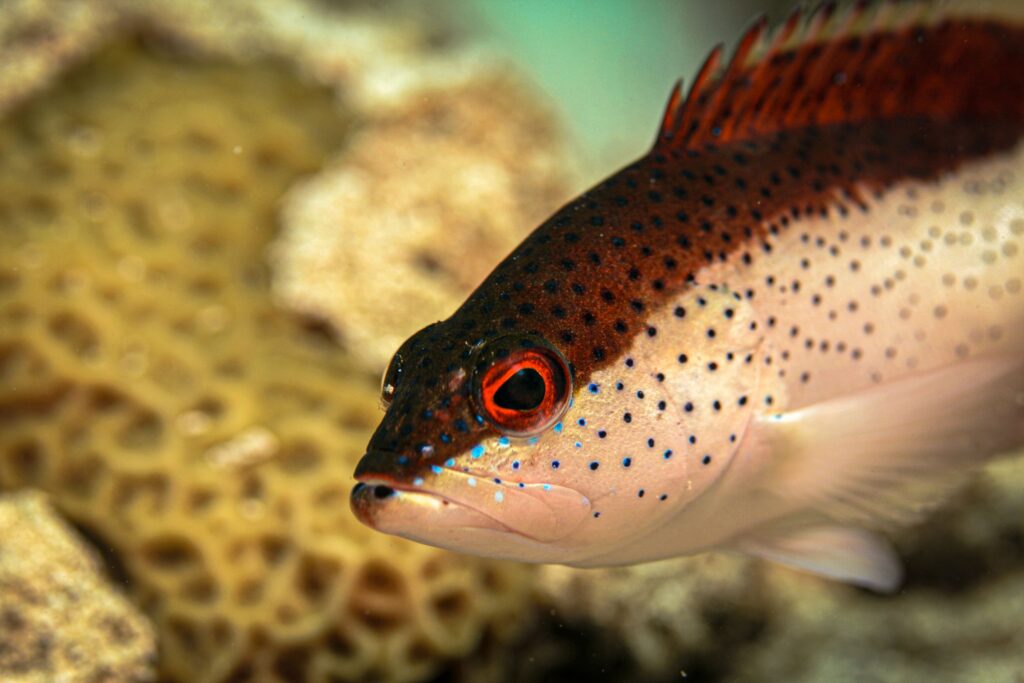
Grilled fish, fish stews, fried preparations, and richly seasoned broths reflect both local ingredients and centuries of cultural exchange.
Coastal Traditions and Daily Life
Unlike luxury seafood often associated with restaurants and resorts, fish occupies an important place in everyday Caribbean cooking.
Morning catches move directly from boats to markets. Families purchase seafood based on seasonal availability. Recipes evolve around what the sea provides.
The result is a cuisine shaped not by fixed menus but by changing waters.
Flying Fish and Island Identity
Certain species carry particular cultural significance.
In Barbados, flying fish became so closely associated with national identity that it appears on coins, stamps, and cultural symbols. For generations, flying fish supported local livelihoods and became one of the island’s best-known culinary traditions.
Elsewhere, local species play similar roles, becoming part of regional food cultures and community memory.
Caribbean Seafood and Place
Coastal cuisine often reveals something deeper than ingredients.
It demonstrates how local environments shape cultural identity.
A single fish species may become intertwined with history, economic life, and collective memory.
Markets: Where the Caribbean Meets
The story of Caribbean seafood cannot be separated from its markets.
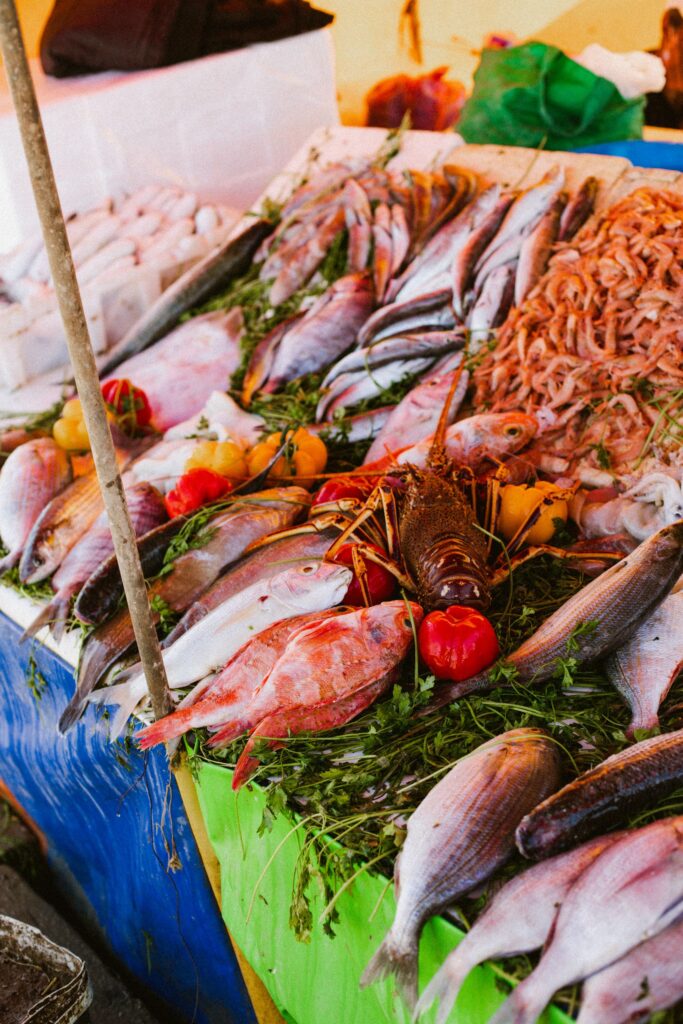
Fish markets remain among the most vibrant spaces in the region. They are places of commerce, conversation, and community interaction.
Fresh catches arrive early in the morning. Vendors prepare seafood for local households and restaurants alike. News, stories, and traditions move alongside commerce.
Markets and Cultural Exchange
Markets are more than places to buy food.
They are places where communities gather.
Across the Caribbean, markets reveal the diversity of island life, bringing together ingredients, accents, traditions, and generations in a single space.
Just as ports facilitated exchange across the region, markets facilitate exchange within communities themselves.
Coastal Traditions and Indian Echoes
For Indian readers, many Caribbean coastal experiences may feel surprisingly familiar.
Fish markets in Kerala, Goa, and along the Konkan Coast share similarities with Caribbean waterfront communities. Fresh catches, early-morning commerce, seasonal knowledge, and family food traditions all reflect comparable relationships between people and the sea.
The species differ.
The spices differ.
The histories differ.
Yet the rhythms of coastal life often remain remarkably similar.
Life Shaped by Water
Across tropical regions, communities frequently develop shared approaches to food and livelihood.
The sea becomes more than a source of income.
It becomes part of cultural identity.
Caribbean Seafood: More Than a Meal
The Caribbean’s coastal traditions tell stories that extend beyond cuisine.
They reveal relationships between communities and environments. They preserve knowledge passed across generations. They demonstrate how movement, trade, and geography influence everyday life.
Every fishing boat returning to shore, every market opening at dawn, and every meal prepared from the day’s catch continues a tradition shaped by centuries of experience.
As the Caribbean Arc approaches its conclusion, these coastal traditions remind us that the sea has always done more than connect islands.
It has helped sustain them.
And in the process, it has shaped not only what Caribbean communities eat, but also how they understand the places they call home.
Previously in the Caribbean Arc
- Caribbean Food Staples
- Rum, Spice & Citrus: Caribbean Flavours Across the Islands
- Caribbean Sea Routes: Migration, Trade & Connection
Coming Next
- A Micro‑Essay on Horizons and Home