
Seasonal Reflection is something we rarely name, yet we practice it instinctively. We return to certain months, certain temperatures, certain colours of light — not because the calendar instructs us, but because something in us remembers. Seasons are not just shifts in weather; they are emotional landscapes. They hold memory, rhythm, and meaning.
Spring, especially, is a season we return to with intention.
It is the quiet hinge between what has been and what could be.
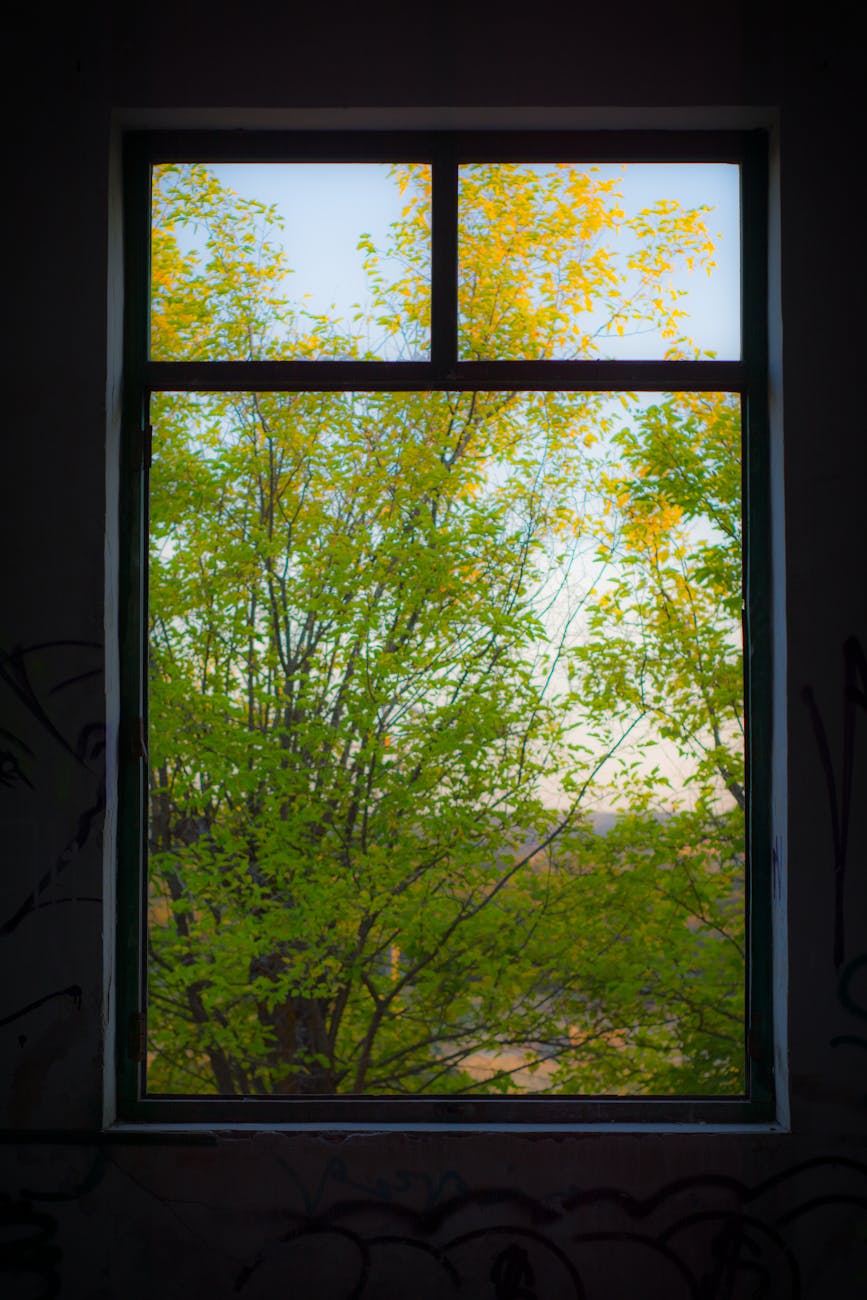
1. The Memory of Light
Every season carries a specific light.
Winter’s light is thin and disciplined.
Summer’s is bold, almost impatient.
But spring’s light is different — soft, forgiving, curious.
We return to spring because its light feels like possibility.
It doesn’t demand anything.
It simply opens the door.
In Kyoto, that light falls across temple roofs and moss gardens.
In Hanoi, it filters through morning mist.
In Chiang Mai, it glows warm against wooden shutters.
Spring light is a reminder that renewal doesn’t need to be loud.
It can be gentle, almost shy — the kind of light that invites you to breathe differently.
This is the heart of Seasonal Reflection: the way light shapes emotion
2. The Rituals We Carry Forward
Seasons shape rituals, and rituals shape memory.
- A bowl of pho at dawn
- A cup of matcha in a quiet tea house
- A walk under early blossoms
- A window opened for the first warm breeze
These rituals become anchors — small, steady gestures that help us return to ourselves.
When we talk about Seasonal Reflection, we’re really talking about returning to the parts of ourselves that feel grounded, alive, and honest. Rituals are the threads that tie us to time. They remind us that even as the world changes, some gestures remain.
For readers who enjoy cultural depth, the Japan National Tourism Organization offers beautiful seasonal insights (https://www.japan.travel/en/).
3. The Emotional Logic of Spring
Spring is the season of gentle transitions.
It doesn’t erase winter; it softens it.
It doesn’t rush summer; it prepares for it.
This emotional logic is why spring appears so often in literature.
Writers use it as a metaphor for:
- renewal
- clarity
- forgiveness
- beginning again
We return to spring because it mirrors the internal shifts we rarely articulate.
It gives shape to feelings that don’t yet have language.
Across Asia, spring unfolds differently — but the emotional pull is the same.
- In Vietnam, spring tastes like herbs and broth.
- In Thailand, it tastes like warmth layered with brightness.
- In Japan, it tastes like stillness held in a bowl of soba.
These places become part of our seasonal memory.
We return to them not just physically, but emotionally — through food, stories, rituals, and the quiet act of remembering.
This is Seasonal Reflection in motion — the way geography and emotion intertwine.
4. Why We Return
We return to certain seasons because they help us understand time — not as a straight line, but as a cycle.
A rhythm.
A conversation.
Spring reminds us that change can be gentle.
That renewal can be quiet.
That beginnings don’t need to be dramatic to be meaningful.
Seasonal Reflection is ultimately returning to ourselves — to the parts that bloom slowly, patiently, and with intention.
5. The Geography of Return
Across Asia, spring unfolds differently — but the emotional pull is the same.
- In Vietnam, spring tastes like herbs and broth.
- In Thailand, it tastes like warmth layered with brightness.
- In Japan, it tastes like stillness held in a bowl of soba.
These places become part of our seasonal memory.
We return to them not just physically, but emotionally — through food, stories, rituals, and the quiet act of remembering.
For readers who enjoy cultural depth, the Japan National Tourism Organization offers beautiful seasonal insights (https://www.japan.travel/en/).
You may like to explore-
- Kyoto in Spring: Temples, Tea, and Timelessness
- 3 Spring Bowls: Comfort Food Across Asia
- Tokyo in Bloom
- Haiku in the City: Modern Minimalism