Ho Chi Minh City Street Food: 1 Bowl of Pho at Dawn


🇻🇳 Ho Chi Minh City Street Food: A Bowl of Pho at Dawn

Ho Chi Minh City street food has a way of finding you before you even know you’re hungry. Some cities wake up gently, but Saigon rises with the hum of motorbikes, the clatter of shutters, and the unmistakable scent of broth drifting through narrow alleys like a quiet summons. I wasn’t looking for breakfast. But in Ho Chi Minh City, breakfast has a way of choosing you.

🌅 A Street Corner, A Cart, A Pull

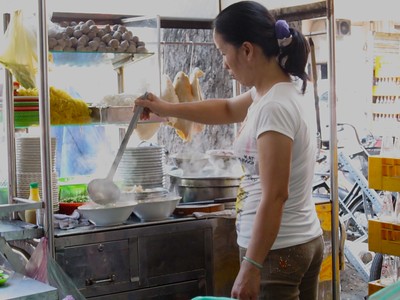
I turned a corner expecting nothing more than the usual morning rush — vendors setting up, commuters weaving through traffic, the city stretching itself awake. Instead, I found a small metal cart, half‑hidden behind a tangle of motorbikes. A pot of broth simmered steadily, releasing soft clouds of steam that curled into the air like a promise.

Street Food in Ho Chi Minh City
IC: DavidnKeng’s photo, licensed as CC BY-NC-ND 2.0

No signboard. No menu. Just a woman with decades of muscle memory in her hands, moving with the calm precision of someone who has fed half the neighbourhood.

This is the heart of Ho Chi Minh City street food — unassuming, unadvertised, unforgettable.

🔥 The Ritual of Pho

She worked quickly, but nothing felt rushed.

A ladle dipped into the broth. Noodles loosened with a practiced flick. Herbs torn by hand. Beef slices arranged like a quiet offering.

The choreography was effortless — a performance repeated thousands of times, yet still tender in its intention. The pot was her universe. The street was her dining room. And for a moment, I was simply a guest in her morning rhythm.

This tiny cart captured everything I love about Ho Chi Minh City street food — the quiet confidence, the unpolished charm, the flavours that speak without shouting.

🍜 First Bite: Steam, Softness, Stillness

Pho doesn’t shout. It doesn’t overwhelm. It unfolds.

The broth was soft but deep, carrying warmth without weight. The herbs brightened the edges. The lime lifted everything. The beef melted into the morning. It felt less like eating and more like being steadied — a gentle recalibration after Manila’s smoky chaos.

If Manila is grill, Saigon is steam.

🌿 What Pho Means Here

Pho, Ho Chi Minh City street food
IC: Vinnie CartabianoFlickr

Pho is not just breakfast. It is a balance.

A bowl that holds:

  • colonial history softened into comfort
  • migration turned into a flavour
  • resilience simmered into broth
  • the city’s contradictions — chaos outside, calm inside

In Ho Chi Minh City, food is not merely consumed. It is lived. There’s a reason Ho Chi Minh City street food is often described as the soul of Vietnam — it turns ordinary mornings into small rituals of comfort

Read more: Ho Chi Minh City Street Food: 1 Bowl of Pho at Dawn

——-> If you’d like to know more about Pho

🏍️ The Street as a Living Organism

As I ate, the city continued its choreography around me. Motorbikes zigzagged like schools of fish. Vendors called out to familiar customers. A child balanced on the back of a scooter, half‑asleep, head resting on a parent’s shoulder. Life moved fast, but the bowl in front of me insisted on slowness.

This contrast — motion outside, stillness inside — is the essence of Saigon’s food culture.

For travellers curious about the broader food culture of the city, the official Vietnam tourism page offers a helpful overview of Ho Chi Minh City’s culinary traditions

🌤️ A Moment of Stillness in Motion

I finished the last sip of broth and felt something shift. Not dramatically. Not loudly. Just a soft settling, the kind that comes from being exactly where you’re meant to be, even if only for a moment.

I left the cart lighter, carrying the warmth of pho into the day — a softness that Manila didn’t offer, but one that Saigon gives freely.

FAQ: Ho Chi Minh City Street Food

Q: What is the best time to try street food in Ho Chi Minh City?

Early mornings and late evenings are ideal, when vendors prepare fresh broth, and the streets come alive.

Q: Is pho the most popular breakfast dish in Saigon?

Yes — pho is one of the most common breakfast choices, though dishes like cơm tấm and bánh mì are equally beloved.

Q: Is street food safe to eat in Ho Chi Minh City?

Generally, yes, especially at busy stalls where food turnover is high, and ingredients are cooked fresh.

🔗 Closing the Arc

As I walked away, I realised why Ho Chi Minh City street food is celebrated worldwide — it nourishes more than hunger; it steadies the spirit. Walking away, I understood why Ho Chi Minh City street food stays with travellers long after they leave — it nourishes memory as much as appetite.

This chapter continues the journey that began with Manila — Glitter, Grief & Grill, where smoke and emotion shaped the streets. Here in Saigon, the warmth is quieter, the flavours gentler, the mornings slower.

And eastward, the arc continues — towards Thailand, where the fire waits.

If you enjoy slow, sensory travel stories, my earlier post on Lisbon’s street food rhythms explores a similar blend of culture and flavour.


Tapas in Spain, Thali in India: How Food Tells a Story of a Place

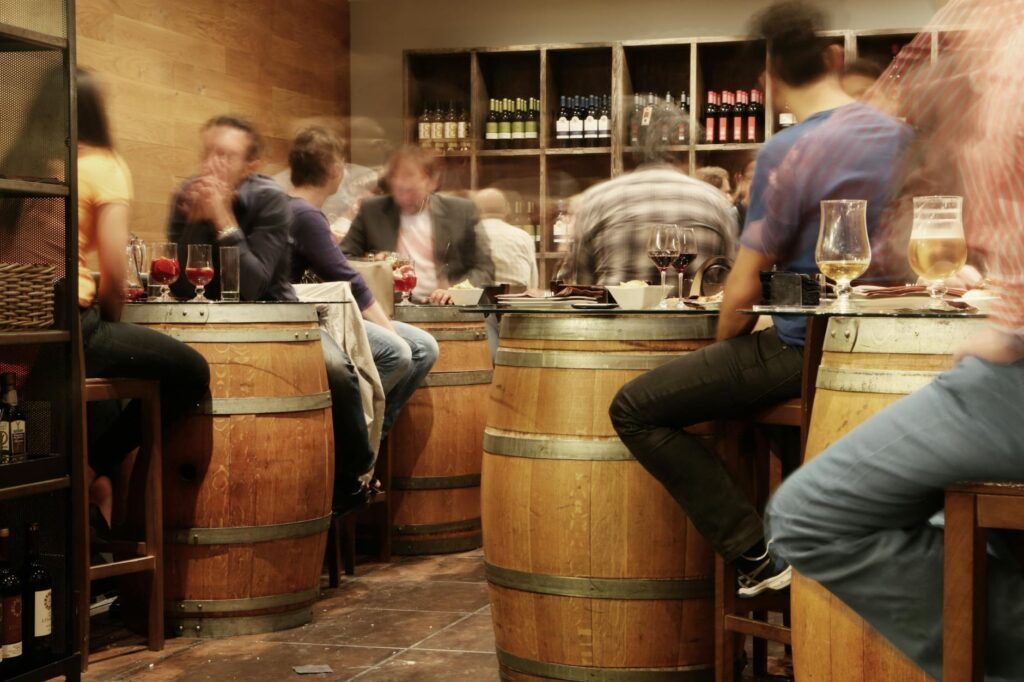
person sitting near the brown wooden barrel table

When we travel, we often seek sunsets, landmarks, and shops—but what truly defines a place? It is on the plate. From the bustling tapas bars of Seville to the aromatic thali spreads in Mumbai, food is not just sustenance—it is storytelling.


Tapas: Spain’s Bite-Sized Social Ritual

Tapas is one of the major tastes that should be tried in Barcelona.

Walk into any Spanish tavern and you will find locals sharing tapas—small plates of olives, jamon, patatas bravas, and more. But tapas are not just about the food. They are about connection. The tradition of hopping from bar to bar, sharing bites and stories, reflects Spain’s laid-back, communal spirit.

Did you know? The word “tapa” means “lid”—originally, bartenders covered drinks with small plates to keep flies away. Over time, those lids became snacks!


 Tapas in Spain: A Culture of Connection

Tapas are small plates of food served with drinks, often shared among friends. But they’re not just snacks—they’re a social ritual.

Modern Twist: Indian chefs have embraced tapas, blending Spanish techniques with Indian flavors—think paneer croquettes or masala patatas.

Origins: Legend says King Alfonso X of Castile ordered drinks to be served with food to prevent drunkenness. Bar tenders began covering glasses with slices of bread or ham—hence the name tapa, meaning “lid.”

Cultural Role: Tapas are for relaxed, social eating. They reflect Spain’s laid-back lifestyle and communal spirit.

Typical Dishes: Patatas bravas, gambas al ajillo (garlic prawns), chorizo al vino, and croquetas.

Modern Twist: Indian chefs have embraced tapas, blending Spanish techniques with Indian flavors—think paneer croquettes or masala patatas.

Thali: India’s Culinary Symphony

Close-up of a traditional Indian meal with hands in prayer, reflecting cultural dining rituals.

In India, a thali is more than a meal—it’s a philosophy. Served on a round metal plate, it’s a curated experience of flavors: spicy, sweet, sour, and everything in between. From Gujarat’s farsan to Kerala’s sambar, each region tells its story through its thali.

  • A well-balanced thali isn’t just delicious—it’s Ayurvedic. The variety of tastes and textures is designed to nourish both body and soul.


Food as Cultural Memory

 Whether it’s the clink of wine glasses over tapas or the comfort of rice and dal in a thali, food anchors us to place. It’s how we remember a city, a conversation, a feeling. Culinary travel isn’t just about eating—it’s about understanding.

Thali in India: A Symphony of Flavors

A Thali is a complete meal served on a large plate with small bowls (katoris), each containing a different dish. It’s a culinary map of India.

  • Philosophy: Thali represents balance—sweet, sour, salty, bitter, and spicy all coexist. It’s rooted in Ayurvedic principles of harmony.
  • Regional Diversity: A Rajasthani thali might include dal baati churma, while a South Indian thali features sambar, rasam, and curd rice.
  • Cultural Role: Thali is often served during festivals, weddings, and temple feasts. It’s a symbol of hospitality and abundance.
  • Presentation: Traditionally served on metal plates or banana leaves, emphasizing sustainability and tradition.

What Food Reveals About Place

ElementTapas (Spain)Thali (India)
PurposeSocializing, snacking with drinksNourishment, ritual, celebration
StyleSmall, shareable platesLarge platter with multiple dishes
Cultural ValueLeisure, community bondingDiversity, hospitality, balance
Global InfluenceTapas bars worldwideThali menus in global Indian restaurants

 Food like tapas and thali isn’t just about taste—it’s about identity, memory, and belonging. They’re edible stories that invite you to sit down, share, and savor.


✈️ Planning Your Next Food Journey

Planning your next Food journey

Do check this out Train Journey