
Travel has the power to open our minds, but it also carries a responsibility. Every tourist leaves an impact—on nature, on culture, and on the communities that welcome them. Being a responsible tourist isn’t about following strict rules; it’s about making mindful choices that protect the places we love to explore. From reducing waste to supporting local livelihoods, small actions can create meaningful change and help ensure that travel remains sustainable for future generations.
Every year during this season (Christmas and New Year), you come across travel magazines predicting the top travel destinations for the coming year. So, I thought I would share a travel wish list based on dreams and analytical data regarding responsible and sustainable tourism opportunities that each place offers.
What Every Tourist Should Know About Sustainable Tourism
Sustainable tourism involves a balanced interaction between appropriate use of natural resources and culture, the improvement of the quality of life within local communities, the economic success of the tourist industry which results in overall national development.
Meaning of Sustainable Tourism for Today’s Tourist
Responsible tourism is interchangeably referred to as Ecotourism or Sustainable Tourism.
Examples of Sustainable Tourism Around the World
Costa Rica’s Leadership in Sustainable Tourism
Costa Rica is often highlighted as a global model for sustainable tourism. The country protects more than a quarter of its land through national parks and reserves, creating a haven for biodiversity. Eco‑lodges, community‑run rainforest experiences, and conservation‑focused travel programs allow the tourist to explore nature responsibly while directly supporting local communities. Costa Rica’s long‑term commitment to renewable energy and environmental education shows how tourism can thrive without compromising ecological balance.

External resources- Costa Rica Tourism Board (ICT) – Sustainable Tourism
Wayanad in Kerala–
Wayanad, a green paradise, is located at a distance of 76 km. from the sea shore of Kozhikode. This hill station full of plantations, forests and wildlife shares a common border with Mudumalai in Tamil Nadu and Bandipur in Karnataka, India. The nearest railway station is Calicut at 62km.
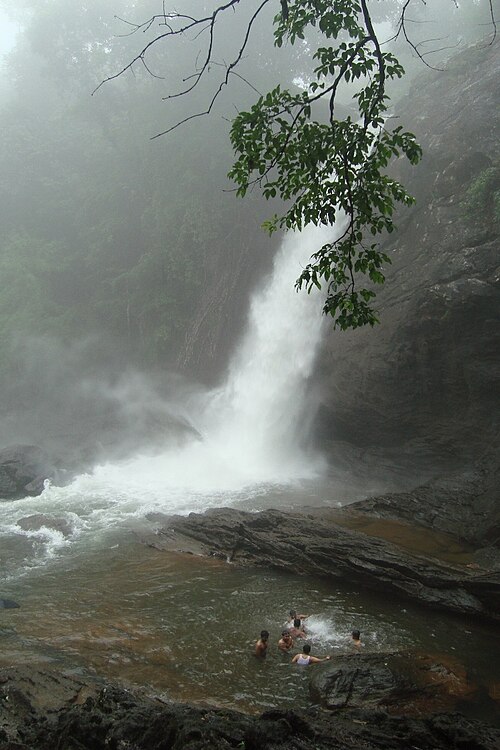
Wayanad Tourism Organisation leads the implementation of a culture of ‘responsible and sustainable tourism’ in Wayanad through four trails. Of these trails, the ‘Outdoor Trail’ covers the following locations: Chembra Peak, Neelimala, Meenmutty waterfalls, Chethalayam, Pakshipathalam, and Banasura Sagar Dam. While enjoying these captivating sights, sounds and fragrance here, you could shop for spices, coffee, tea, bamboo products, honey and herbal plants. Explore Kerala tourism
Maldives–
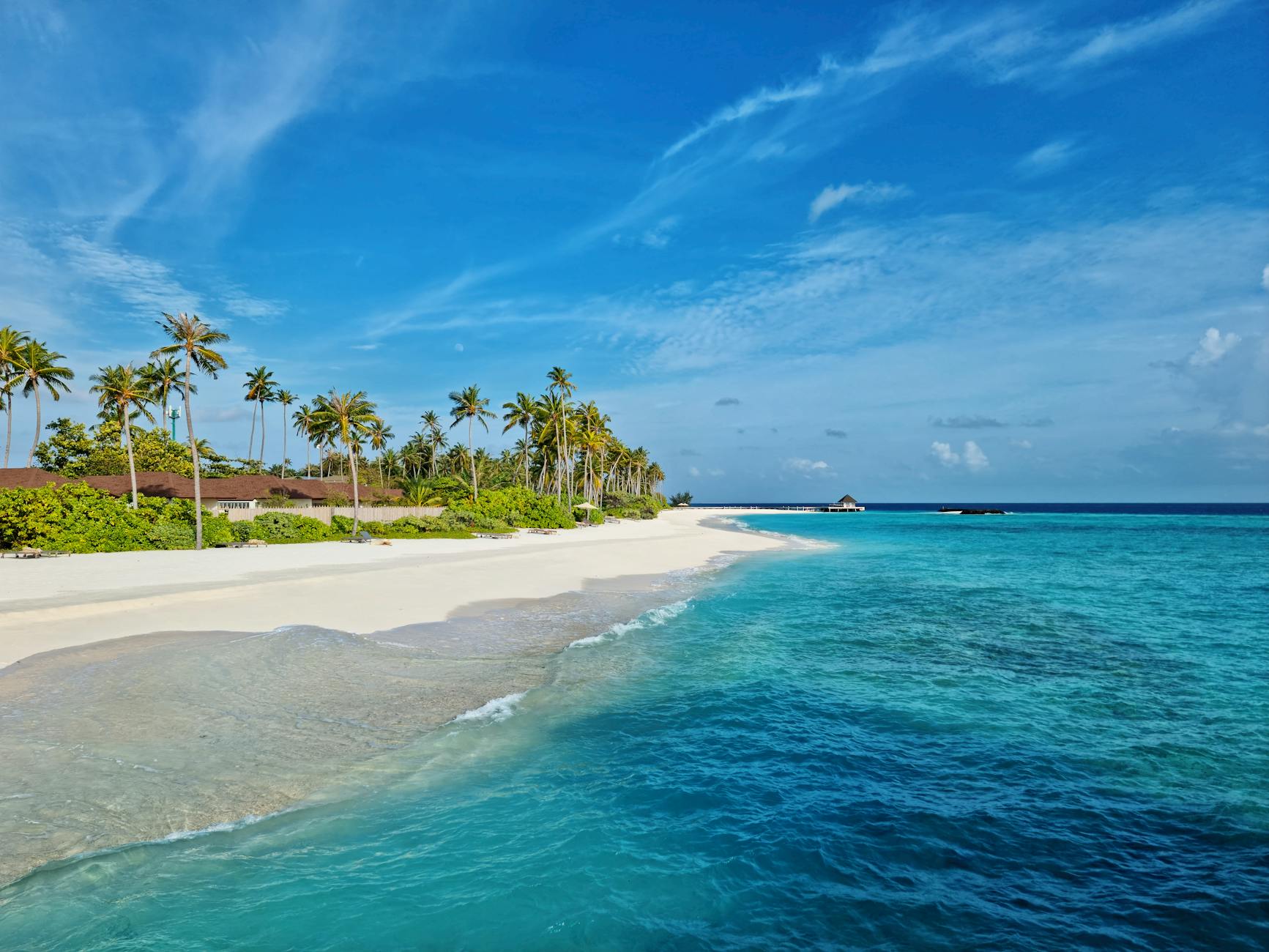
or Republic of Maldives, is an island country situated in the Indian Ocean. It consists of over 1000 coral islands grouped in a double chain of 26 atolls, along the north-south direction. The atolls consist of live coral reefs and sand bars. Maldivian waters have several ecosystems which are known for colourful coral reefs, over 1000 species of fish, sea turtles, whales and dolphins, and echinoderms. Maldives is among the most beautiful places in the world and also the most endangered site in the world.
Fish are found in an extraordinary range of habitats, from mountain streams to hot springs and at depths below 7,000 meters.
Protecting Paradise: Ecotourism in the Maldives
The government of Maldives, people and the tourism industry are jointly helping to protect and prevent it from slipping away as a paradise. In the past decade, the government has implemented the President of Maldives Green Resort Award to recognise the importance of environmental protection to ensure the sustainability of Maldives. This award is given to local resorts who adopt green and sustainable policies in their operations and development. It also motivates the tourist entities to be responsible and engage in eco-tourism.
South Africa
or Republic of South Africa is the southernmost country in Africa. As soon you hear about a South African holiday, you imagine a safari into a Big Five wildlife reserve but the country has more to offer from beaches, crossing deserts, the richest floral kingdom on earth, fine dining and exotic wines to adventure travel and much more.
Some of the attractions here are Kruger Park, Cape Town, Winelands, Drakensberg, Sun City, Serengeti, Okavango, Pilanesberg, and Bazaruto.
Thakadu River Lodge in Madikwe Game Reserve is a lodge built, owned and operated by the local community. The project allows the community to attain a sustainable level of competence and facilitate a genuine understanding of the importance of service delivery.
African Conservancies and Community‑Led Tourism Models
Africa offers some of the strongest examples of sustainable tourism, where wildlife conservation, community partnerships, and low‑impact travel come together. Destinations managed by organisations like Wilderness demonstrate how tourism can protect fragile ecosystems while supporting local livelihoods through long‑term stewardship.
Further reading: Wilderness Destinations – South Africa’s Conservation‑Focused Safari Experiences.
Dominica
has an untamed rainforest, which allows you to trek to a bubbling lake. It is home to the world’s second-largest hot spring, Boiling Lake. An island country in the Lesser Antilles region of the Caribbean Sea, southeast of Guadeloupe and northwest of Martinique. The country has many waterfalls, springs and rivers. It is often referred to as ‘The Nature Island of the Caribbean’ with its breath-taking lush, varied flora and fauna in the protected natural park system. Morne Trois Pitons National Park, UNESCO World Heritage site has many attractions like Boiling Lake, the Freshwater Lake, Boeri Lake and Middleham Falls.
People of Dominica value their natural and cultural heritage. Responsible tourism in Dominica is shining beacon among the Caribbean and around the world. They have no international hotels, 3 national parks on this tiny island. Visit the Kalinago Barana Aute Cultural centre, a place to get a sense of human survival on this island, its ancient heritage, cookery or craft, politics or performances, collective farming or fishing.
So, travel to these amazing places this season and be a responsible tourist.
You may like to explore 4 Tips on Sustainable travel and food
Responsible tourism begins with awareness and grows through intention. When a tourist chooses to respect local culture, minimise environmental impact, and support community‑based initiatives, travel becomes a force for good. These simple habits not only enrich your journey but also help preserve destinations for those who will follow. Sustainable travel isn’t a trend—it’s a shared commitment to exploring the world with care, gratitude, and respect.
**********************************
References–
Great post and good reminders.
Thank you.:)
Great seeing the steps the tourism departments of these places have taken. I wish to visit these sights someday
These beautiful places are on my wish list too. Thank you for stopping by.