Caucasus Fruit Geography: 5 ways Spring Connects Armenia and Azerbaijan
Caucasus fruit geography offers one of the quietest, most revealing ways to understand how Armenia and Azerbaijan share a spring landscape shaped by orchards, markets, and soft seasonal abundance. If you’ve been following our journey eastward, this post continues the gentle transition we began in Armenia to Azerbaijan Travel: 5 Quiet Ways the Landscape Softens Across the Border, where the land changed tone long before the map changed name. Here, we step deeper into the world of fruit, climate, and cultural continuity.
1. The Caucasus Fruit Belt: A Geography of Nearness
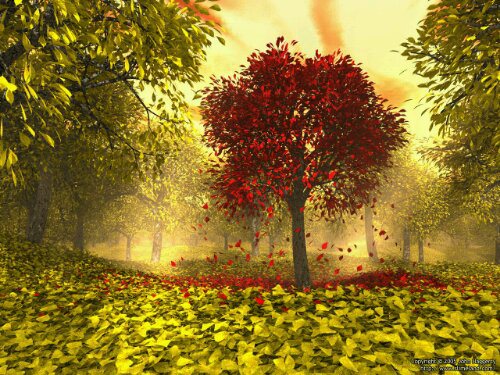
Travel through Armenia and Azerbaijan in spring, and the orchard belts feel almost continuous. Apricot trees bloom in warm gold, pomegranate buds deepen into garnet, and mulberry branches begin to unfurl their first leaves. The continuity is unmistakable — the same winds, the same slopes, the same rhythm of fruit waking into the season.
This is the essence of Caucasus fruit geography: a region where climate and terrain create a shared agricultural identity, even when politics draw hard lines. The land doesn’t shift abruptly. It softens, then rearranges itself in gradients.
2. Apricot and Pomegranate: A Duality That Defines the Region
Armenia is often associated with the apricot — warm, golden, tender at the edges. Azerbaijan is known for the pomegranate — sharp, jewel‑toned, abundant. But the truth is more intertwined. Both countries grow both fruits, and both fruits appear everywhere in spring markets.
This duality becomes a symbolic thread:
- apricot = softness, warmth, early sweetness
- pomegranate = sharpness, depth, late‑season abundance
Together, they form a seasonal chord that resonates across borders. In the context of Caucasus fruit geography, they are not opposites but companions — two expressions of the same climate, the same soil, the same spring.
Spring expresses itself in color as much as in climate — apricot gold, pomegranate garnet, and even the deep blues we wrote about in Banish Blues with Blueberries.
3. Cousin Markets: Yerevan ↔ Goris ↔ Baku ↔ Sheki
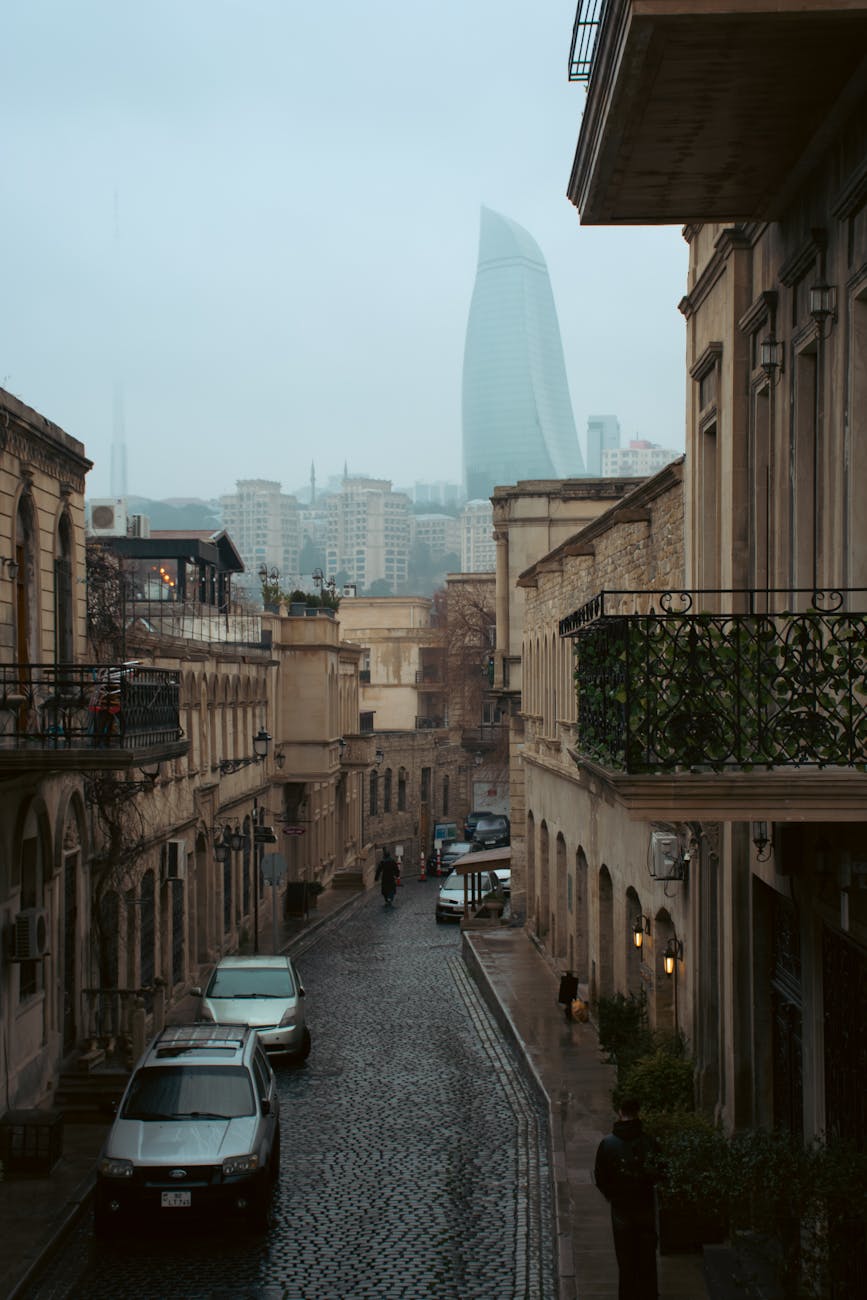
Walk through any spring market in the region — Yerevan’s covered halls, Goris’s roadside stalls, Baku’s Old City corners, or Sheki’s forest‑lined bazaars — and you’ll see the same visual language.
Shared elements include:
- fruit pyramids stacked with geometric precision
- dried fruit strings hanging like garlands
- mulberry pastes and syrups in deep amber tones
- nuts and honey arranged in quiet abundance
- enormous bundles of herbs perfuming the air
These markets feel like cousins separated by a mountain range. They speak the same sensory dialect, shaped by centuries of trade routes and seasonal rhythms. This is Caucasus fruit geography made visible — a cultural continuity expressed through taste, texture, and color.
Baku’s Old City markets carry this same sensory vocabulary, and Schön Magazine’s guide to the city’s crossroads of culture captures that blend of tradition and modern rhythm beautifully.
4. Fruit as Climate, Memory, and Movement
Fruit in the Caucasus is not just produce; it’s geography made edible. Apricots mark the early warmth of spring. Pomegranates signal the deepening of the season. Mulberries trace the Silk Road’s old caravan paths. Each fruit carries a memory of movement — of traders, families, and stories crossing the same landscapes we travel today.
This is why fruit becomes such a powerful lens for understanding the region. It reveals what borders cannot hide: shared climate, shared history, shared abundance.
5. Closing: A Shared Spring Across the Caucasus
Across Armenia and Azerbaijan, spring speaks in two fruits — apricot and pomegranate — different notes of the same geography. The markets mirror each other. The orchards bloom in parallel. The land carries a continuity that politics cannot erase.
In the end, Caucasus fruit geography is not about division but about nearness. It’s a reminder that landscapes often tell a quieter, truer story than maps do — one written in blossoms, harvests, and the soft abundance of spring.