5 Ways El Niño Creates Rare Monsoon Break Snorkeling Windows in India
The Flavor of Skies — A Sudden Shift in the Monsoon Arc
El Nino monsoon break India is unfolding across the Monsoon Arc this week, creating a sudden pause in the daily downpours and revealing rare coastal clarity.
In our last feature, we celebrated the vibrant tart flavors of seasonal monsoon fruits like sweet jamun and fresh plums — nature’s true reward for enduring the sweltering summer heat. But if you look out the window over the past few days, you might have noticed something strange across the geographic Monsoon Arc.
The predictable daily downpours have suddenly paused, replaced by vast stretches of clear, sun‑baked skies. Where did the rain clouds go?
To find the answer, we have to look thousands of miles away — to a massive thermal engine currently shifting gears in the middle of the Pacific Ocean.
The El Niño Engine — Why the Clouds Sloshed East
El Nino monsoon break India is unfolding across the Monsoon Arc this week, creating a sudden pause in the daily downpours and revealing rare coastal clarity.
Reference – IMD Monsoon Updates
The culprit behind this sudden pause in the rainy season is El Niño — a powerful climate phenomenon triggered when sea surface temperatures in the central and eastern Pacific Ocean become unusually warm.
1. The Normal State
Typically, powerful trade winds blow from east to west, pushing warm ocean water toward Asia and India. This creates a giant chimney of hot, moist air in the western Pacific — the very engine that fuels our regular, towering convective monsoon clouds.
2. The El Niño Shift
When an El Niño pattern locks in, those trade winds weaken or even reverse. The massive pool of warm water sloshes backward toward the Americas. As the warmth moves, the atmospheric chimney moves with it — pulling those towering rain clouds out of their traditional corridors and leaving the main Monsoon Arc in a dry, sun‑baked monsoon break.
Reference- NOAA ENSO Overview
The Adventure Pivot — Chasing the Secret Snorkeling Windows
While inland travellers often feel disappointed when mountain waterfalls run dry during an unexpected atmospheric break, seasoned adventure travellers know a secret: a monsoon break is the single best time for exclusive coastal snorkeling.
Normally, visiting the coast during the rainy season means dealing with zero underwater visibility because heavy downpours wash muddy river silt into the ocean. But when El Niño steals the rain clouds, the silt settles, the rough monsoon winds drop, and the ocean surface calms.
This opens a rare, fleeting window of crystal‑clear underwater visibility.
Where India’s Coastline Transforms During a Monsoon Break
Goa — The Mainland Escape
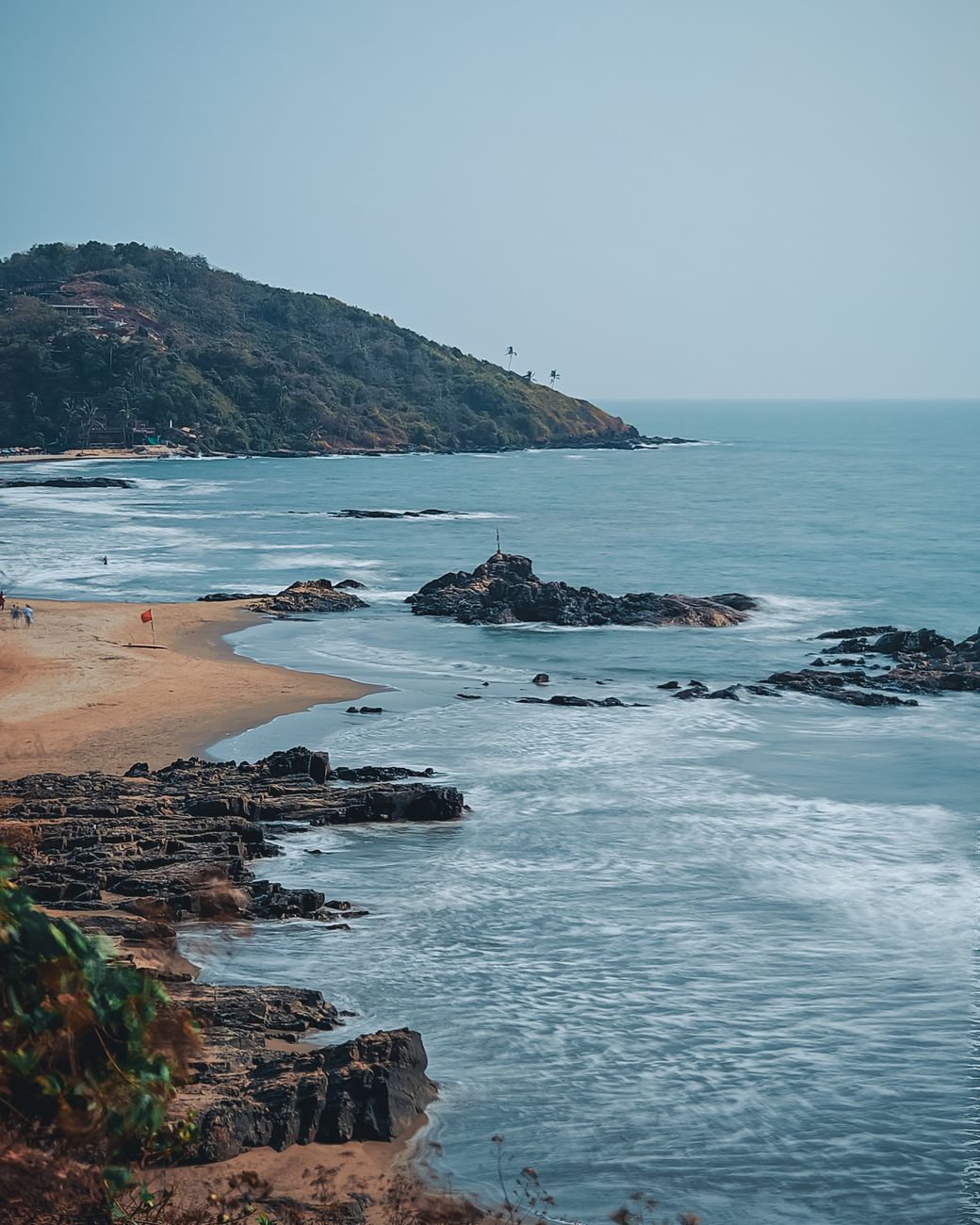
Known for its lush green hills during the rains, a sudden weather pause shifts the real adventure from the mainland to the water. When the sea swells drop, boat trips out to rocky sanctuaries like Grande Island become accessible. The calm water reveals vibrant coral patches, reef fish, and historic shipwrecks that are usually completely masked by the churn of late summer.
Tarkarli — The West Coast Classic
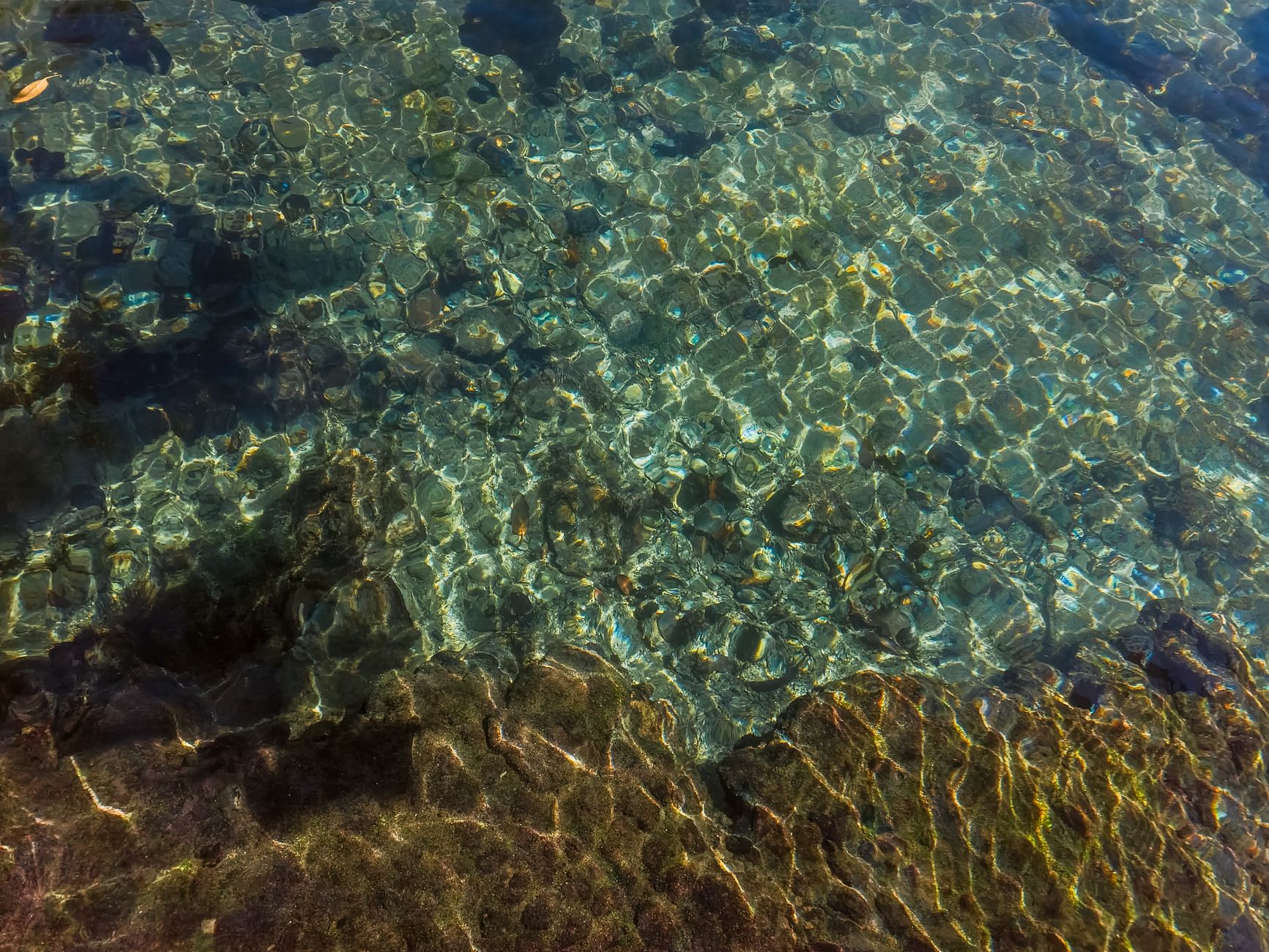
During a monsoon break, Tarkarli’s usually restless waters settle into long, glassy stretches. The Sindhudurg coastline becomes surprisingly clear, revealing shallow coral beds, bright reef fish, and gentle underwater slopes ideal for beginners. Local operators often announce rare “visibility days” — short windows when the sea calms enough for safe snorkeling.
Andaman & Nicobar Islands — The Tropical Frontier
Sitting deep in the Bay of Bengal, this pristine archipelago takes on a dramatic, untouched beauty during a monsoon break. Pockets like Elephant Beach on Havelock Island reveal shallow coral shelves right off the sand. When the clouds part, bright sunlight pierces straight through the calm water, illuminating sea turtles and pristine coral gardens — all without the crushing winter tourist crowds.
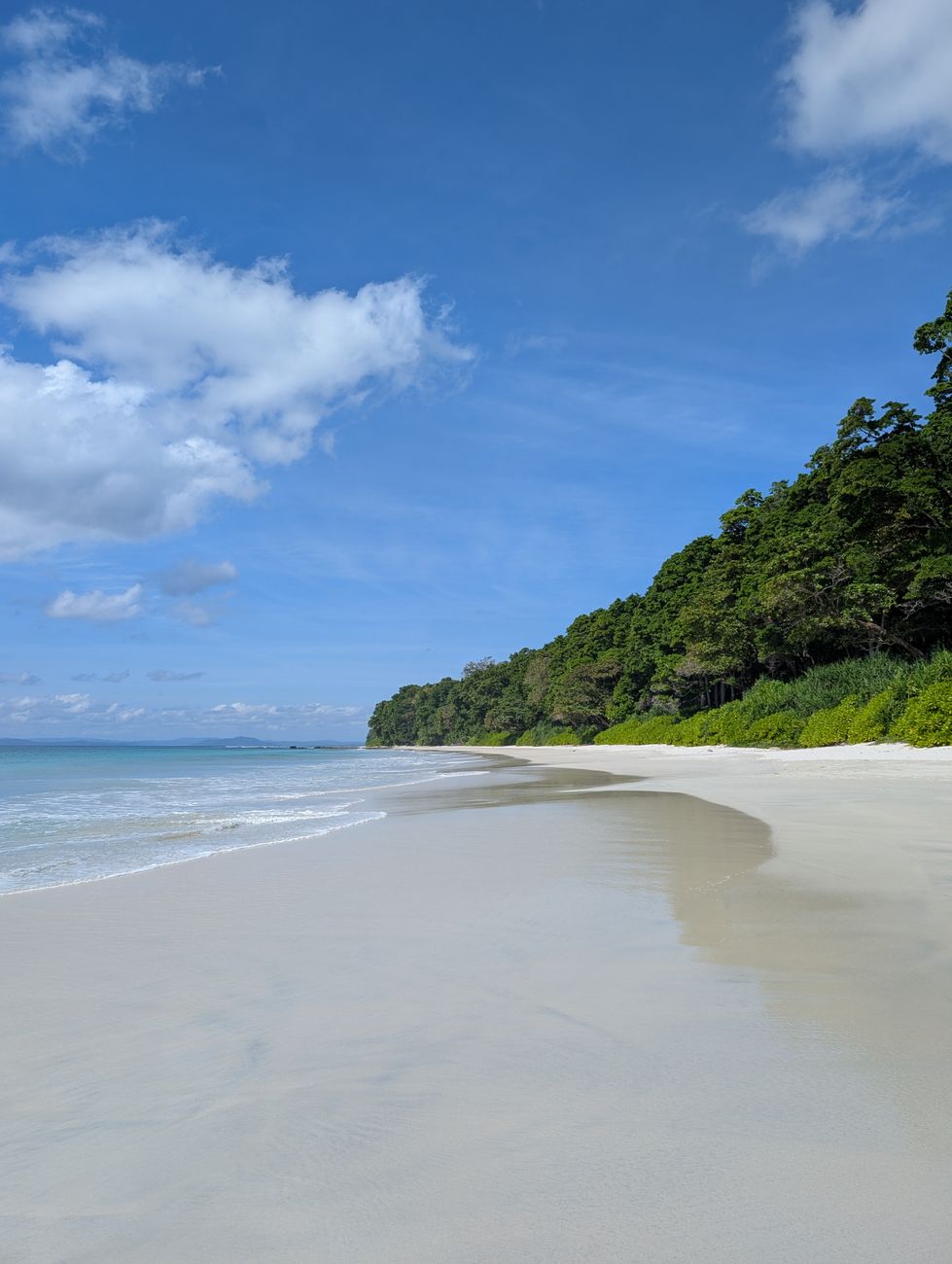
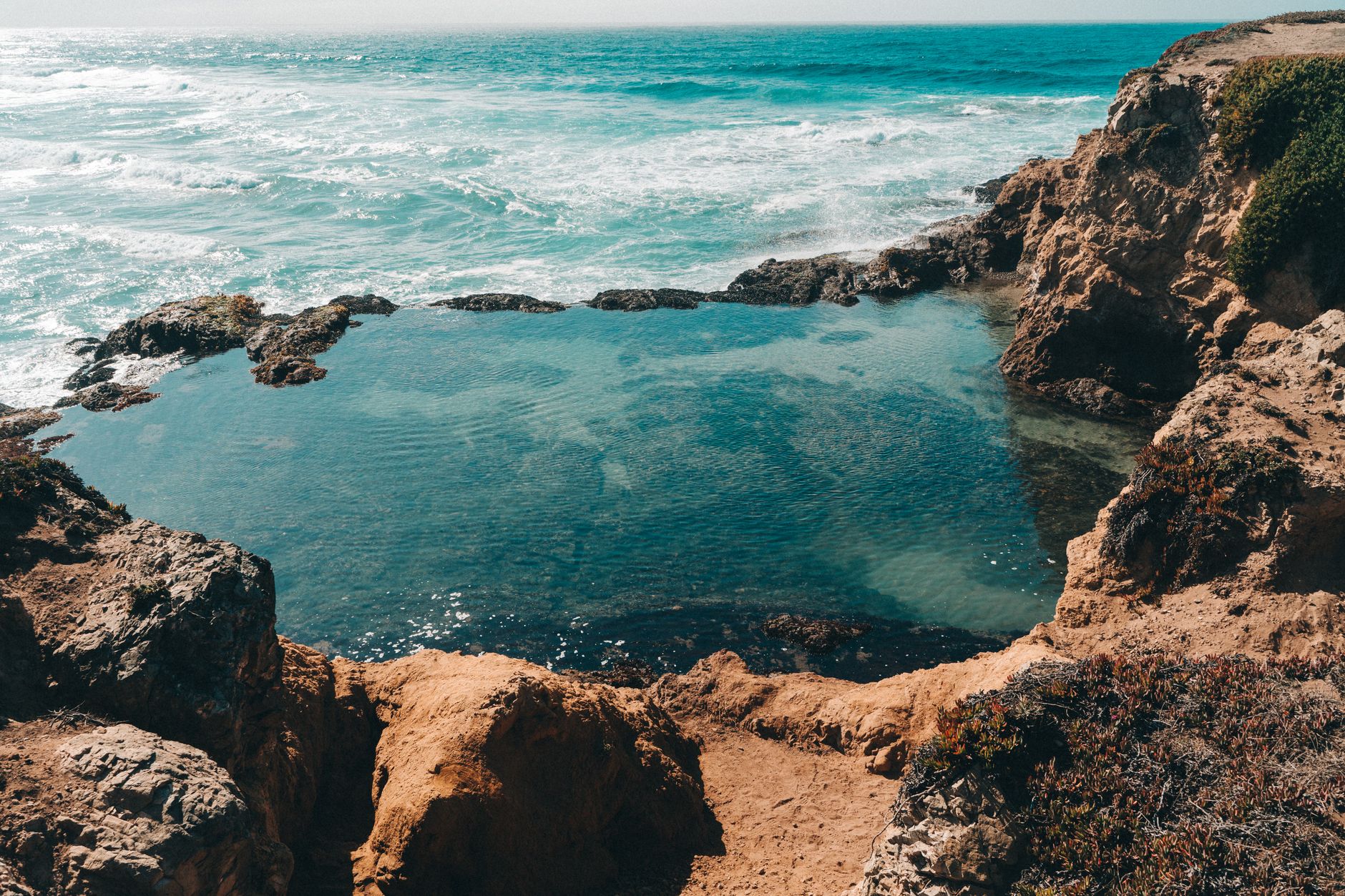
It’s the kind of underwater clarity we captured in our ocean pins — those fleeting, glass‑blue moments that only appear when the monsoon pauses.
Netrani Island — The Deep‑Blue Window

Off the coast of Murudeshwar, Netrani Island is one of India’s most dramatic monsoon‑break snorkeling destinations. During regular monsoon weeks, the sea here churns with strong winds and suspended sediment. But when an atmospheric pause settles in, the water clears with surprising speed. The island’s steep underwater walls, shoals of reef fish, and deep‑blue drop‑offs become visible again — creating rare conditions divers wait all year for.
Pondicherry — The East Coast Calm
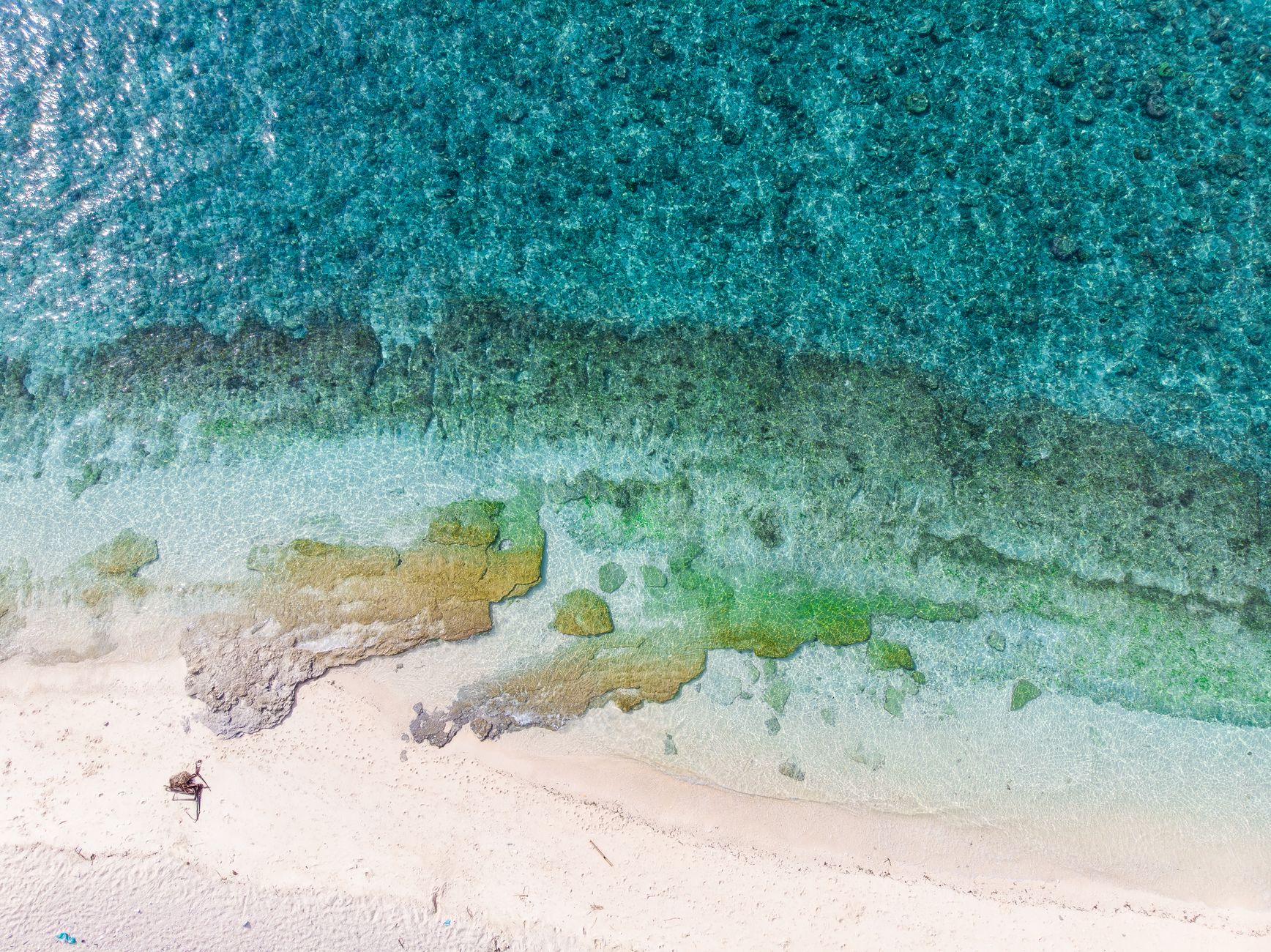
Unlike the west coast, Pondicherry’s waters respond quickly to monsoon breaks. When the rains pause, the Bay of Bengal settles into long stretches of gentle, pale‑blue calm. Artificial reefs near Serenity Beach and the Temple Reef Project become visible again, revealing soft corals, damselfish, and quiet underwater corridors ideal for beginners.
Closing Reflection — When the Monsoon Pauses, India Reveals a Different Kind of Beauty

A monsoon break may feel unsettling at first — the sudden silence, the clear skies, the absence of the familiar afternoon rumble of clouds. But these pauses are not empty. They reshape the coastline, calm the seas, and reveal pockets of India that only appear when the rain steps aside.
From Goa’s rocky sanctuaries to Tarkarli’s glassy shallows, from Netrani’s deep‑blue drop‑offs to the coral gardens of the Andamans and the quiet east‑coast reefs of Pondicherry, the entire seaboard transforms during these rare atmospheric windows.
El Niño may be pulling the clouds east this July, but in its wake, it leaves behind a coastline washed clean, sunlit, and briefly transparent. These are the days when seasoned travellers head toward the ocean, knowing that the monsoon’s pause is not an interruption — it’s an invitation.