7 Comforting Silk Route Spring Foods You’ll Love This Season
Spring along the Silk Route isn’t just a change in landscape — it’s a shift in the kitchen. As the season softens the mountains and valleys of Central Asia, the food changes too: lighter broths, herb‑rich breads, fire‑baked pastries, and dishes that carry the warmth of winter into the freshness of spring.
Silk Route Spring Food is built on three elements:
herbs, bread, and fire.
Together, they create a table that feels both ancient and comforting.
Silk Route Spring Food: 7 Dishes That Define the Season
1. Lagman: Hand‑Pulled Noodles With Spring Vegetables
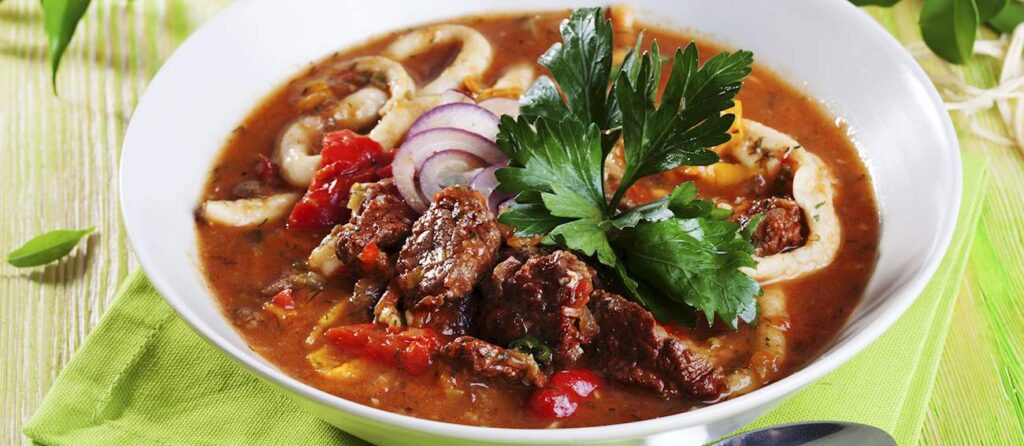
A Central Asian classic — long, hand‑pulled noodles tossed with peppers, tomatoes, and early‑spring greens.
It’s warming without being heavy, perfect for the season’s in‑between mood.
External reference-
Cultural reference – the UNESCO Silk Roads Programme.
2. Samsa: Fire‑Baked Pastries From the Tandoor
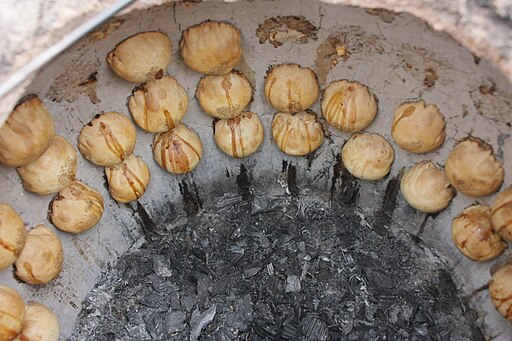
Davide Mauro
Samsa is the Silk Route’s answer to comfort food:
flaky dough, spiced fillings, and the unmistakable flavour of tandoor fire.
In spring, herb‑filled samsa appears in markets across Uzbekistan and Kyrgyzstan.
3. Beshbarmak: A Nomadic Dish for the Changing Season
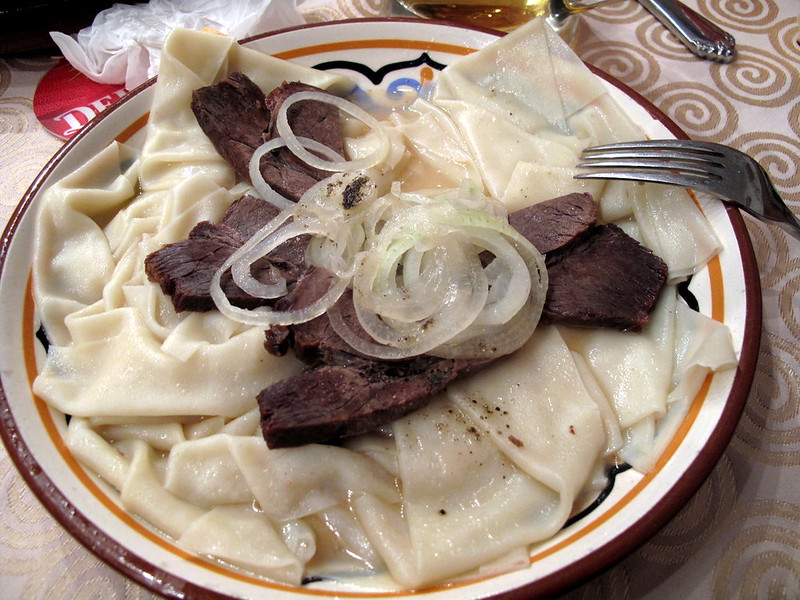
Kyrgyzstan’s national dish — wide noodles, tender meat, and a light broth.
In spring, the broth becomes clearer, the herbs fresher, and the dish feels almost celebratory.
4. Jiz Biz: A Warm, Rustic Stir‑Fry for Cool Evenings
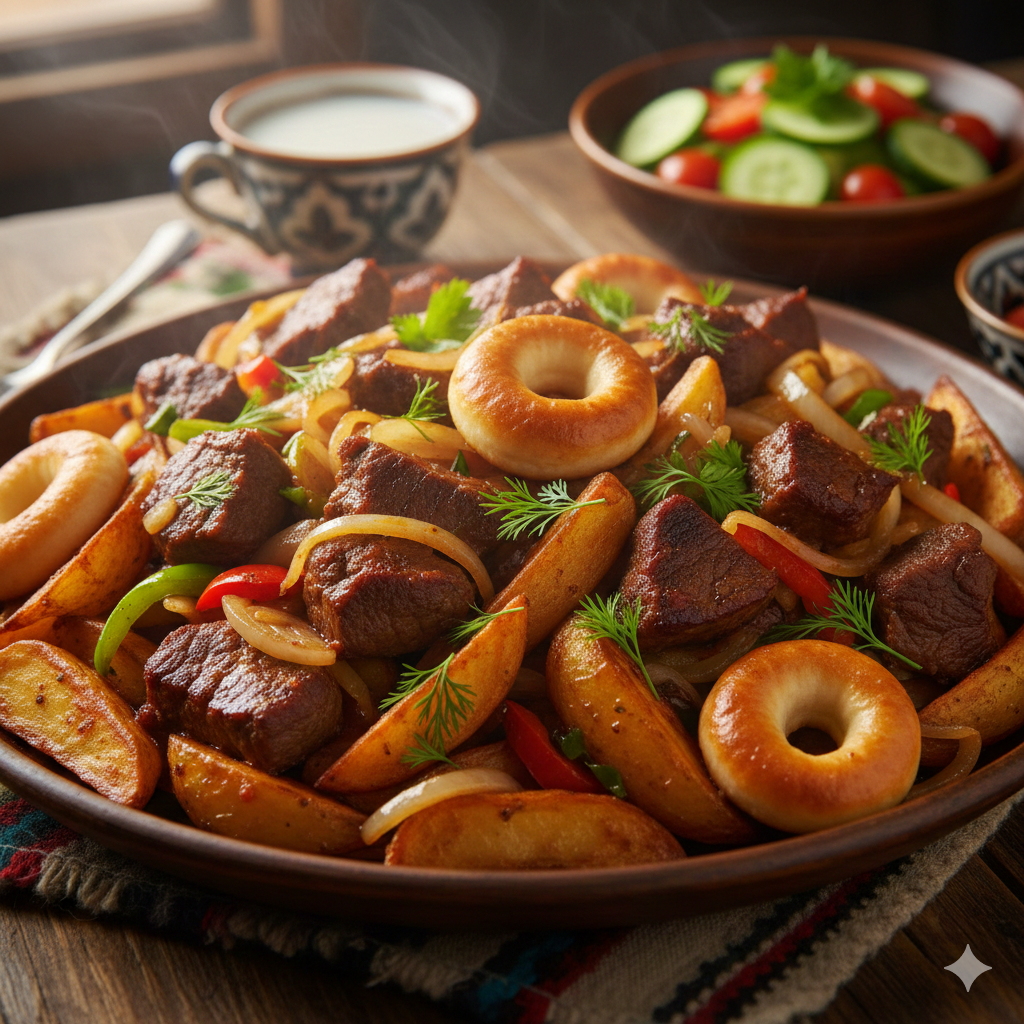
A Kazakh favourite — sizzling meat, onions, and potatoes cooked over open flame.
It’s the kind of dish that tastes like the last cool nights before summer arrives.
5. Tandoor Bread: The Heart of the Silk Route Table
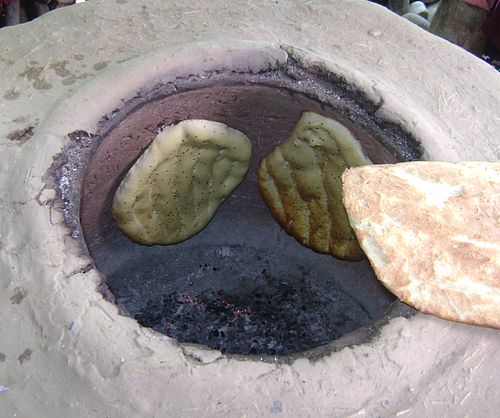
Crisp on the outside, soft inside, stamped with traditional patterns.
Spring versions often include fresh herbs or sesame seeds — simple, fragrant, grounding.
6. Herb‑Rich Spring Soups
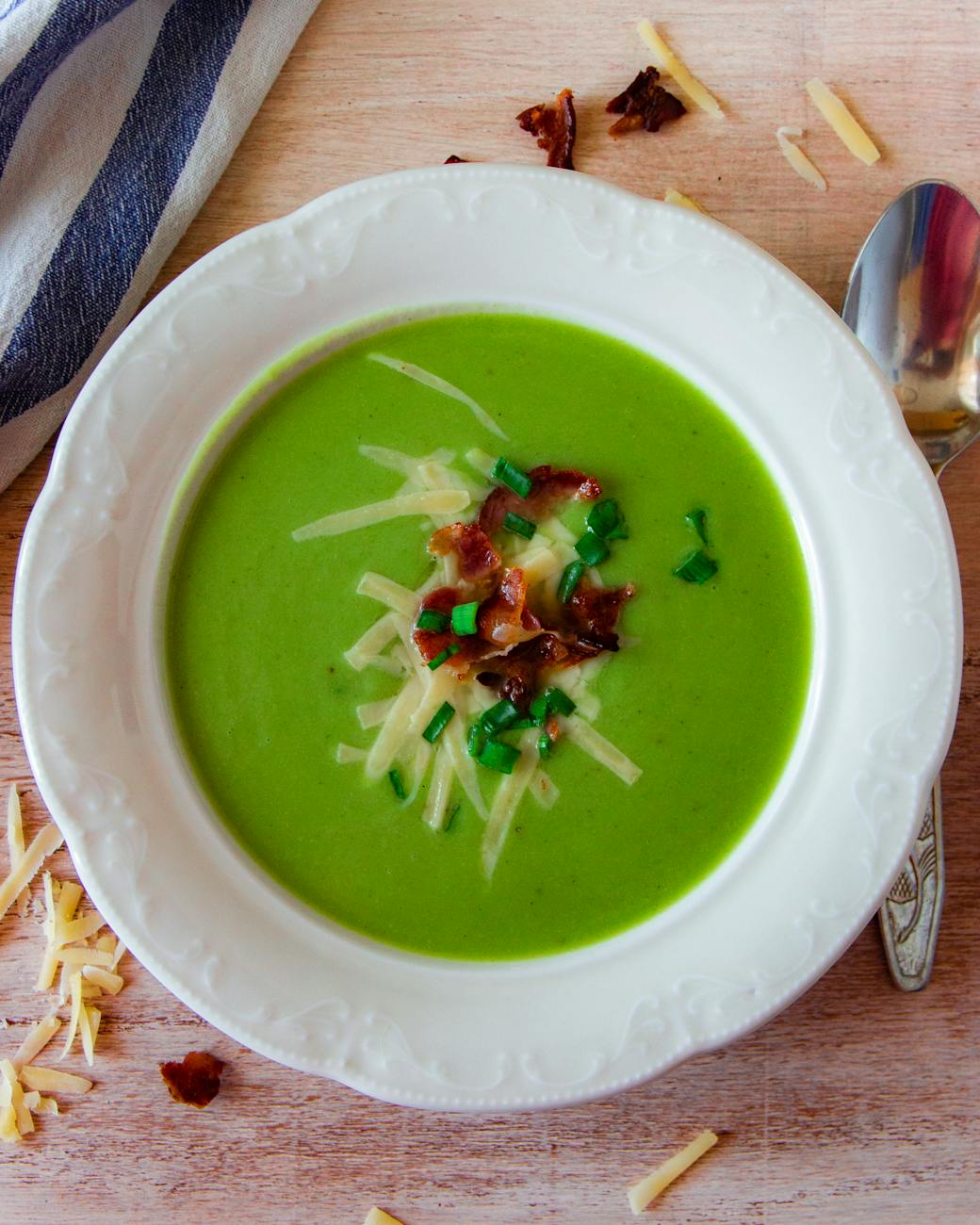
Across Central Asia, spring soups shift from winter heaviness to lighter, greener flavours:
dill, parsley, chives, coriander, and wild mountain herbs.
7. Pilaf Variations With Spring Greens
Across Central Asia, pilaf shifts with the seasons — a dish that absorbs whatever the land offers. In spring, when the markets fill with tender herbs and the first bright greens, cooks lighten the classic plov with handfuls of dill, parsley, and young scallions. The base remains familiar: golden rice, sweet carrots, and slow‑cooked meat. But the herbs bring a lift, a freshness that mirrors the changing light outside — a reminder that even the most traditional dishes breathe differently as the season turns
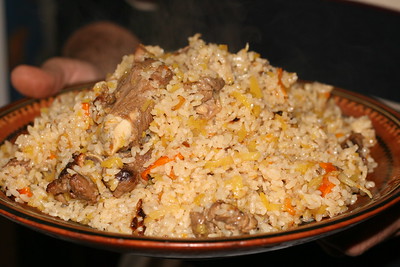
Uzbek plov is famous year‑round, but spring brings a gentler version:
less oil, more herbs, and a brighter flavour profile.
🌍 Language and Currency Note
Just like the landscapes, the food reflects the region’s cultural blend.
Russian is widely spoken across Central Asia, but each country has its own language — and its own currency:
- Kazakhstan: Tenge (KZT)
- Kyrgyzstan: Som (KGS)
- Uzbekistan: Som (UZS)
This mix of familiarity and difference is part of what makes Silk Route Spring Food so memorable.
If spring along the Silk Route feels like a quiet awakening, Armenia deepens the story — a land of stone corridors, mountain light, and meals shaped by altitude and ancient memory.
Explore -Week 1 –
Armenia- 1 Hidden European Gem That Welcomes Indians Without a Schengen Visa
6 Ways Writers Retreat — and the Armenian Landscapes That Hold Them
You may like Astana-kazakhstan/
Spring along the Silk Route is never just a change in weather — it’s a shift in rhythm, in appetite, in the way kitchens breathe. From fire‑baked samsa to herb‑bright soups and golden pilaf, each dish carries a trace of the season’s first warmth. These meals aren’t simply recipes; they’re small, edible maps of a region waking up after winter, shaped by light, land, and the quiet return of colour. And as the season deepens, the table becomes a place where old traditions meet new greens, reminding us that even the most ancient routes find fresh beginnings every spring.