The Geography of Openness: A Reflection of Borderlands and Travel
Borderlands have a strange way of loosening something inside us. They’re neither here nor there, neither arrival nor departure — just a stretch of land where the edges blur, and the world feels slightly more porous. Maybe that’s why we travel differently in these spaces. The air feels wider, the light shifts, and our thoughts move with a kind of unguarded honesty. Borderlands teach us that openness isn’t a personality trait; it’s a geography — a landscape that invites us to soften, to listen, to let the world in without resistance.
1. Psychology of Edges
We often underestimate how much the edges of a place reshape the edges within us. Something shifts when we stand in a landscape that refuses to declare itself fully one thing or another. Our senses sharpen, but our guard drops; we become more attuned to the subtleties of light, sound, and movement. In these in‑between spaces, the mind loosens its grip on certainty. We start noticing details we would normally rush past — a change in the wind, the way a road curves, the quiet negotiations between cultures. Borderlands make us porous because they remind us that identity, like geography, is rarely a clean line. It’s a gradient.
2. The Cartography of Openness
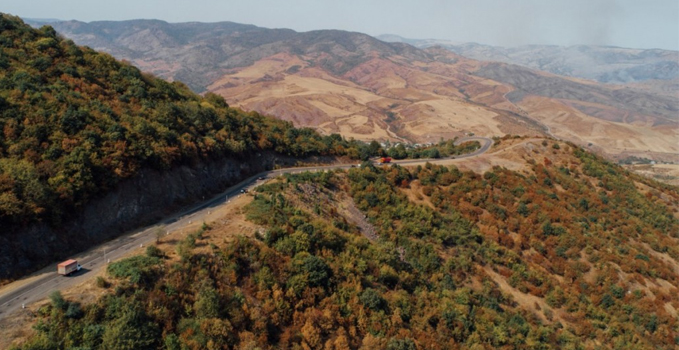
Some landscapes ask us to pay attention; borderlands insist on it. Their geography is rarely dramatic, yet something about the way the land stretches — unhurried, unclaimed, unbothered by definitions — creates a quiet expansion inside us. Openness becomes less of an emotional state and more of a spatial condition. Wide plains, high passes, river crossings, and forgotten roads all carry an invitation: to slow down, to look more closely, to let the mind wander without an agenda. In these places, we realise that the world doesn’t need to be spectacular to be transformative. Sometimes, it’s the understated geographies — the ones that sit between identities — that teach us how to breathe differently.
3. Borderlands as Teachers
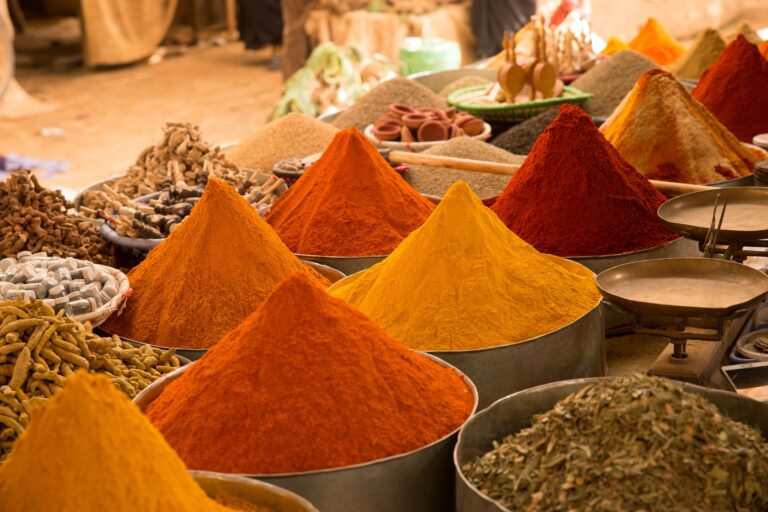
Borderlands teach in ways that cities and settled landscapes rarely can. They ask us to pay attention to the quiet negotiations that happen where cultures meet — the shared markets, the borrowed words, the blended rituals that don’t belong to one side or the other. In these spaces, identity becomes fluid, not fixed. You begin to understand that belonging is not always about roots; sometimes it’s about movement, exchange, and the gentle acceptance that we are shaped by more than one story. Borderlands remind us that travel is not just about crossing physical distances — it’s about learning how to hold contradictions without rushing to resolve them.
And this isn’t limited to political borders. Even in our own journeys, we’ve seen how food becomes a borderland — a place of crossing, blending, and becoming.
In Lisbon, the street food we explored — from bifanas to pão com chouriço — carried echoes of sailors, traders, and travellers who shaped the city’s palate over centuries.
In Tokyo, the street food arc revealed something similar: dishes shaped by migration, adaptation, and the quiet layering of influences.
These flavours were borderlands in their own right, born from exchange and softened by time. They taught us that travel is not just about crossing physical distances — it’s about learning how to hold contradictions without rushing to resolve them.
4. When Geography Becomes Metaphor
At some point in every journey, the landscape stops being just a place and becomes a mirror. Borderlands do this almost effortlessly. Their blurred edges echo the parts of ourselves we haven’t fully named — the uncertainties, the transitions, the versions of us still forming. Standing in these in‑between spaces, we begin to understand that travel is never only about movement across maps; it is movement across inner terrain. The quiet roads, the shifting horizons, the unfamiliar silences — they all become metaphors for the thresholds we carry within us. Borderlands remind us that change rarely arrives with clarity. It arrives like a soft gradient, asking us to step into the next version of ourselves with patience and openness.
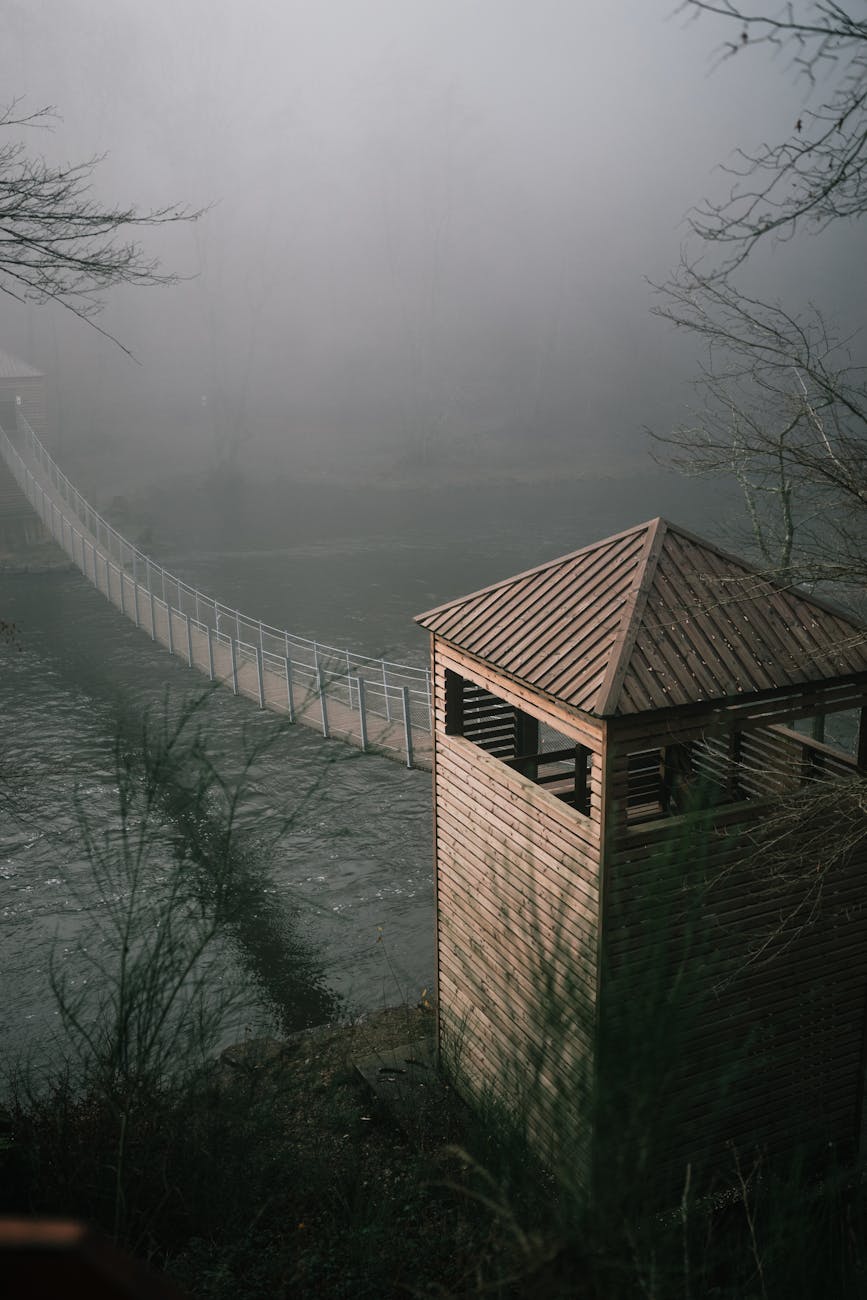
Photo by Duncan Wasieczko on Pexels.com
Maybe that’s why the stories we carry from one journey often echo into the next. Even in last week’s exploration of spring food along the old Silk Route, there was a quiet sense of movement — dishes shaped by crossings, flavours shaped by travellers, recipes that belonged to no single place. Those food traditions were borderlands in their own way, born from exchange and softened by time. It’s only now, standing in this reflective space, that the connection becomes clear: every journey through taste or terrain is really a journey through thresholds.
5. A Quiet Pivot Toward Armenia
Perhaps that’s why Armenia has been lingering at the edge of my thoughts — a land shaped by altitude, stone, and memory, where every horizon feels like a threshold. It’s a place where mountains don’t just rise; they hold stories. Roads don’t simply connect towns; they trace old routes of passage, exchange, and return. Armenia carries the quiet weight of a borderland, not because of political lines, but because its geography invites you to stand between histories, between silences, between versions of yourself. As I prepare to travel there, I realise this journey isn’t just about a destination. It’s an extension of this ongoing reflection — another step into the soft, expansive openness that borderlands teach so well.
External Reference:
National Geographic – “Why Borders Shape Cultures and Identities”
Closing
Maybe that’s the quiet gift of borderlands: they show us that openness isn’t something we manufacture through effort, but something that unfolds when the world around us shifts. When the land stretches wide, when the horizon feels reachable, when cultures meet without urgency, something inside us loosens too. We begin to travel with less armour and more attention. And in that softened state, every journey — whether through taste, terrain, or memory — becomes a way of crossing into a slightly wider version of ourselves. Borderlands remind us that transformation rarely arrives with certainty. It arrives in gradients, in thresholds, in the gentle spaces where one world leans into another.