Spring Markets of the Caucasus: A Micro‑Essay on Geometry and Quiet Abundance
A Micro‑Essay on Spring Markets, Geometry, and Quiet Abundance
This post explores Caucasus fruit geography through orchards, markets, and spring landscapes shared across Armenia and Azerbaijan
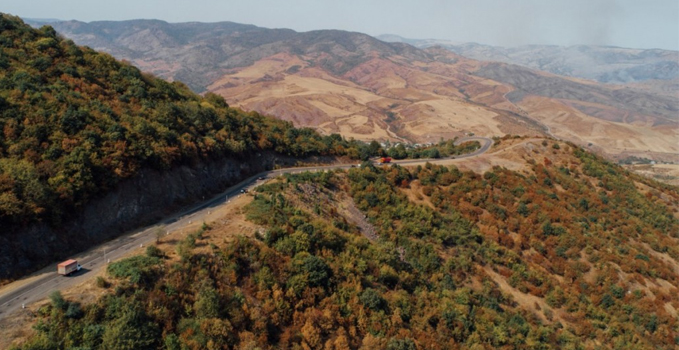
Spring in the Caucasus is not a season that announces itself loudly. It arrives the way light shifts across a stone wall — gradually, almost shyly — and the first signs appear not in cities but in orchards, roadside stalls, and the softening of the landscape. If you’ve been following our journey eastward, this post continues the gentle transition we began in Armenia to Azerbaijan Travel: 5 Quiet Ways the Landscape Softens Across the Border, where the land changed tone long before the map changed name. Here, we step deeper into the world of fruit, climate, and cultural continuity, using the quiet language of orchards to understand a region often described through borders rather than seasons.
The Caucasus Fruit Geography Belt: A Spring of Nearness
Spring markets in the Caucasus are not loud places. They don’t overwhelm; they reveal. Step into any bazaar from Yerevan to Goris, from Baku to Sheki, and the first thing you notice is not noise but arrangement — a quiet, deliberate geometry shaped by centuries of habit and hand.
Explore- Banish Blues with Blueberries
Travel through Armenia and Azerbaijan in spring, and the orchard belts feel almost continuous. Apricot trees bloom in warm gold, pomegranate buds deepen into garnet, and mulberry branches begin to unfurl their first leaves. The continuity is unmistakable — the same winds, the same slopes, the same rhythm of fruit waking into the season. Even the roadside stalls echo each other: crates of early greens, jars of honey catching the light, and vendors who gesture with the same calm familiarity that comes from generations of tending the same land.

Apricot and Pomegranate in the Caucasus Fruit Geography
Fruit pyramids rise in soft gradients of gold and garnet, each apricot and pomegranate placed with the kind of care that feels almost ceremonial. Dried fruit strings hang like garlands, catching the morning light in amber tones. Mulberry pastes gleam in trays, thick and glossy, echoing the Silk Road’s old sweetness. Bundles of herbs — dill, tarragon, mint — perfume the air with a green sharpness that cuts through the warmth of the season.
For a deeper look at how pomegranate traditions are preserved in Azerbaijan, UNESCO’s documentation of Nar Bayrami offers a beautiful overview of the fruit’s cultural, culinary, and symbolic significance.
Cousin Markets Across the Caucasus Fruit Geography
There is a shared aesthetic here, a visual language that crosses borders more easily than people do. Markets in Armenia and Azerbaijan feel like cousins: familiar, parallel, shaped by the same climate, the same soil, the same spring abundance. Even the gestures of the vendors — the way they stack, slice, arrange, and offer — carry a continuity that politics cannot interrupt.
Walk through any spring market in the region — Yerevan’s covered halls, Goris’s roadside stalls, Baku’s Old City corners, or Sheki’s forest‑lined bazaars — and you’ll see the same visual language.
Fruit pyramids rise like small monuments to abundance. Dried fruit strings sway gently in the draft of passing footsteps. Mulberry pastes gleam in trays, thick and glossy, echoing the Silk Road’s old sweetness. Herb bundles — dill, tarragon, mint — release a green sharpness that cuts through the warmth of the season. These markets don’t compete; they correspond. They feel like cousins separated by a mountain range, speaking the same sensory dialect.
For a deeper look at how food traditions connect Armenia, Georgia, and Azerbaijan, the Transcaucasian Trail’s guide to regional cuisine offers an excellent overview of shared dishes, dried fruits, nuts, breads, and trail‑friendly snacks.
Fruit as memory
Fruit in the Caucasus is not just produce; it’s geography made edible. Apricots mark the early warmth of spring. Pomegranates signal the deepening of the season. Mulberries trace the Silk Road’s old caravan paths. Each fruit carries a memory of movement — of traders, families, and stories crossing the same landscapes we travel today. In this sense, fruit becomes a kind of archive, holding the memory of climate, soil, and shared history in its skin.
Closing Thoughts on Caucasus Fruit Geography and Shared Spring
In these markets, spring is not just a season. It is a composition. A palette. A rhythm.
And the Caucasus expresses it in fruit, color, and quiet abundance — a reminder that some forms of beauty are shared long before they are divided.
For a broader understanding of how foods, fruits, and cultural practices moved across regions, the UNESCO Silk Roads Programme offers a detailed look at centuries of exchange along historic trade routes.
Further Reading:
Across Armenia and Azerbaijan, spring speaks in two fruits — apricot and pomegranate — different notes of the same geography. The markets mirror each other. The orchards bloom in parallel. The land carries a continuity that politics cannot erase. In the end, the geography of Caucasus fruit is not about division but about nearness. It reminds us that landscapes often tell a quieter, truer story than maps do — one written in blossoms, harvests, and the soft abundance of spring. And if you listen closely, you’ll hear that story repeating itself across borders, carried by the wind, the soil, and the season.