Spice Culture: Cumin, Saffron, Ras el Hanout
A gentle shift in palette, temperature, and rhythm
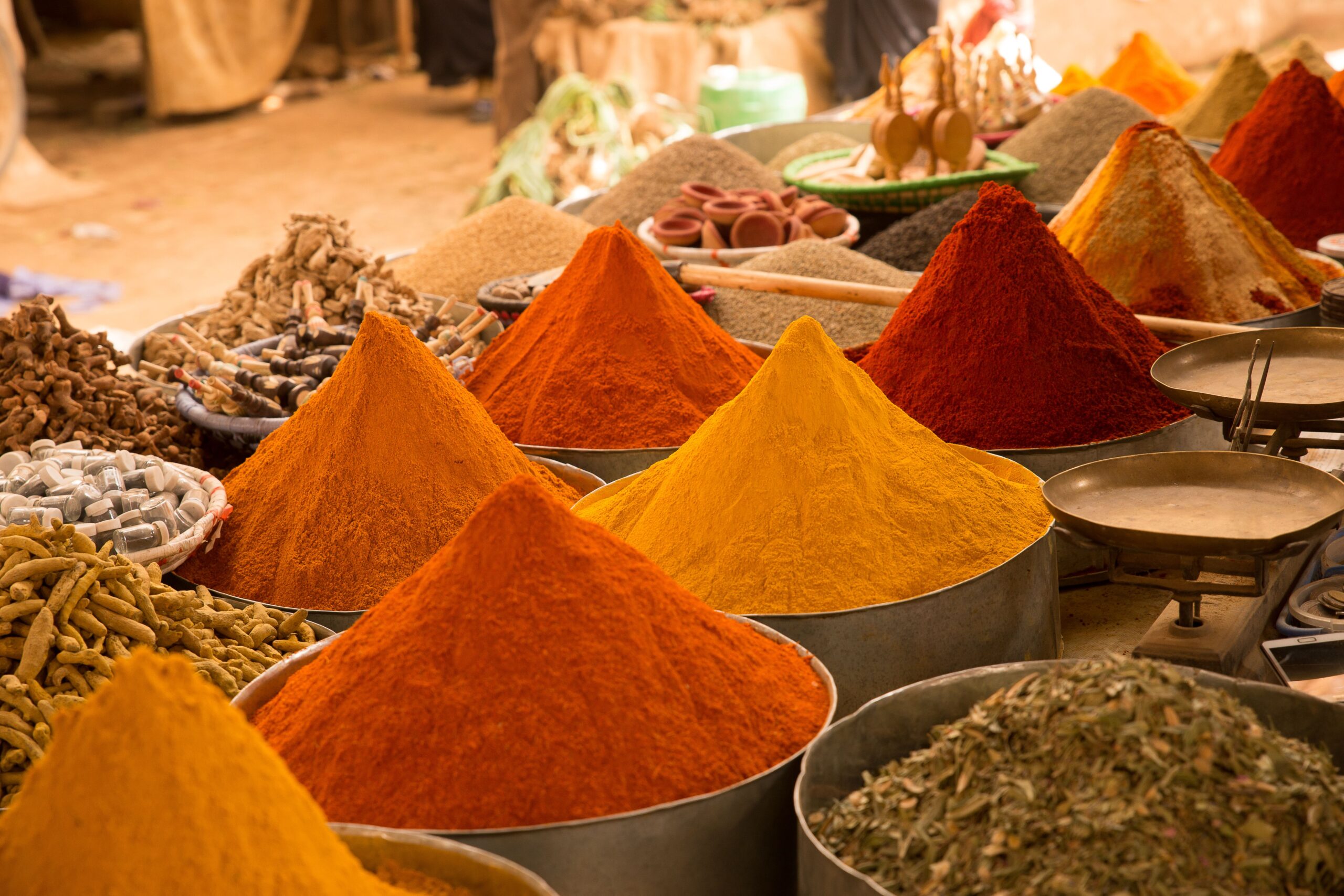
September closed in cool kitchens — rye bread, berries, butter, quiet Nordic mornings. October opens in warmth. In Marrakech, food begins not in the kitchen but in the souks, where spices rise in pyramids of color: saffron like sunlight, turmeric like dusted gold, paprika like embers, cumin like earth after rain.
Terracotta Warmth — Where Spice Begins
Food in Marrakech is not a recipe; it is a palette.
Walk through the souks and you feel it immediately — the shift from cool to warm, from birch‑white to terracotta, from quiet Nordic kitchens to the hum of Moroccan marketplaces. Spices are not ingredients here; they are stories, carried in cloth bags, displayed in brass bowls, sold in handfuls that smell like entire landscapes.
Cumin is the scent of earth. Paprika is the scent of fire. Turmeric is the scent of sun. Saffron is the scent of patience.
And Ras el Hanout — the “head of the shop” — is the scent of everything at once.
Ras el Hanout — The Desert’s Signature Blend
Ras el Hanout is not a single spice. It is a philosophy.
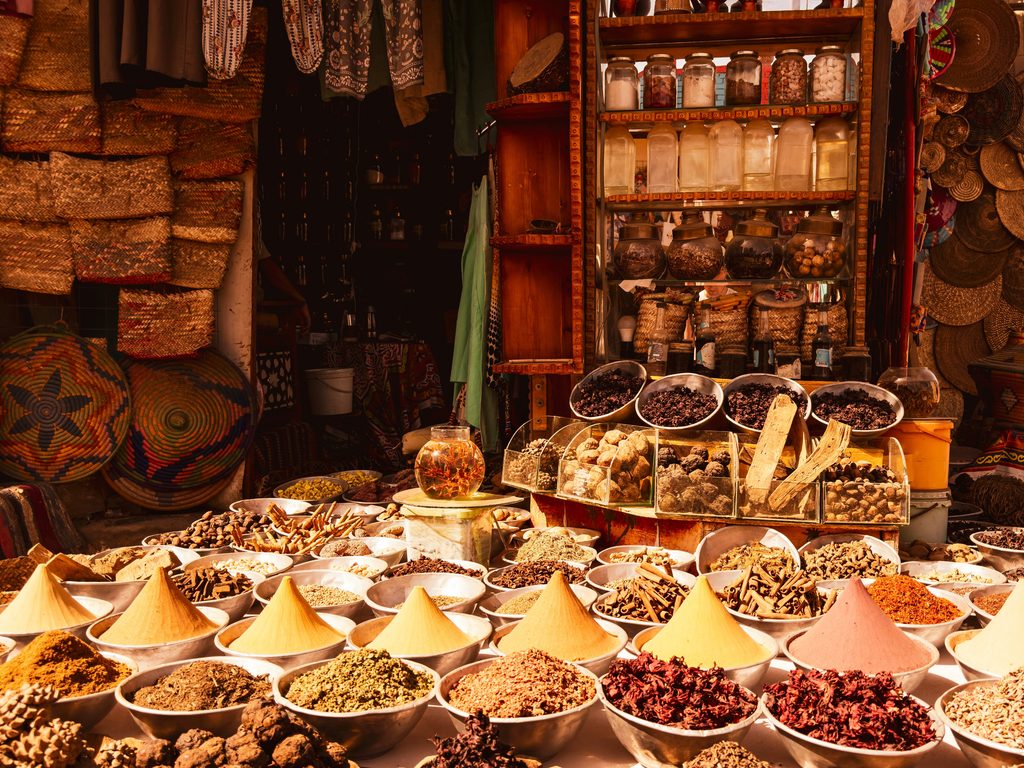
Every shopkeeper has their own version — some with rose petals, some with lavender, some with nutmeg, cinnamon, ginger, coriander, anise, fennel, cardamom, cloves. It is a blend shaped by memory, by family, by the hands that mix it.
In Nordic kitchens, flavor is often quiet. Here, flavor is layered, like dunes in late‑afternoon light.
Ras el Hanout is the desert in a bowl — warm, complex, shifting, ancient.
Preserved Lemon — The Bright Note in Warm Dishes
Where spices bring warmth, preserved lemon brings brightness.
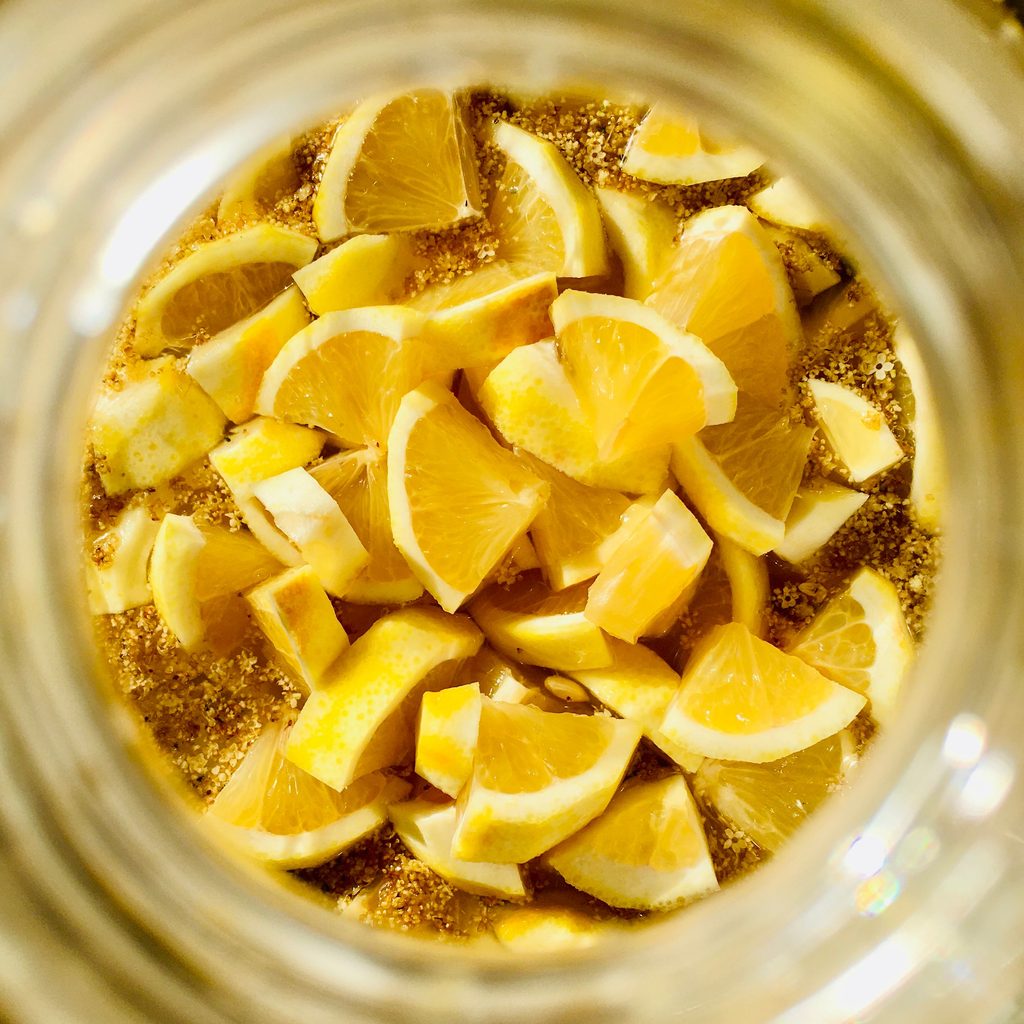
Cut into thin slices, it tastes like sunlight softened by time — salty, citrusy, mellow, and deep. It lifts slow stews, enriches couscous, and balances the warmth of cumin and paprika.
In Nordic cooking, acidity often comes from berries. In Moroccan cooking, it comes from lemons that have been transformed by patience.
Preserved lemon is the bridge between heat and freshness — a quiet, reflective note inside dishes that otherwise glow with spice.
Mint — The Cool Breath in a Warm Palette
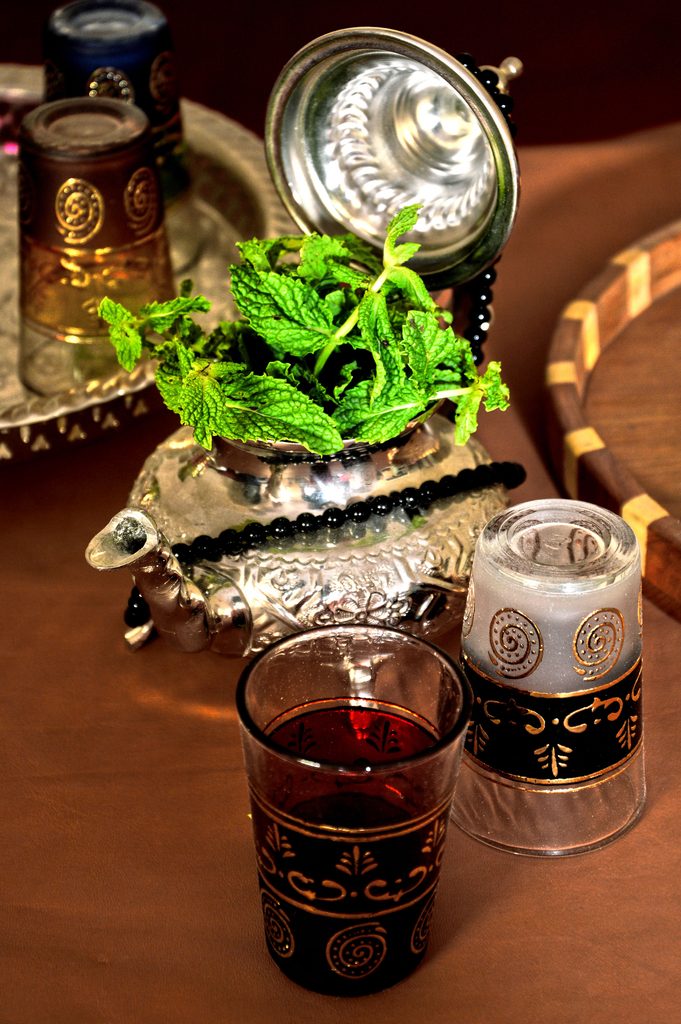
Mint tea is not just a drink; it is a gesture.
In Marrakech, mint is everywhere — tucked into glasses, piled in baskets, carried in bundles through narrow alleys. It is the cool breath inside a warm palette, the moment of calm after the spice, the pause between flavors.
Mint tea is offered before meals, after meals, during conversations, between negotiations. It is hospitality in liquid form.
Where Nordic kitchens offer warmth through coffee, Moroccan kitchens offer warmth through tea — but the effect is the same: a moment of stillness.
A Reflective Plate — Warmth, Shadow, and Stillness
Moroccan food is not loud. It is warm.
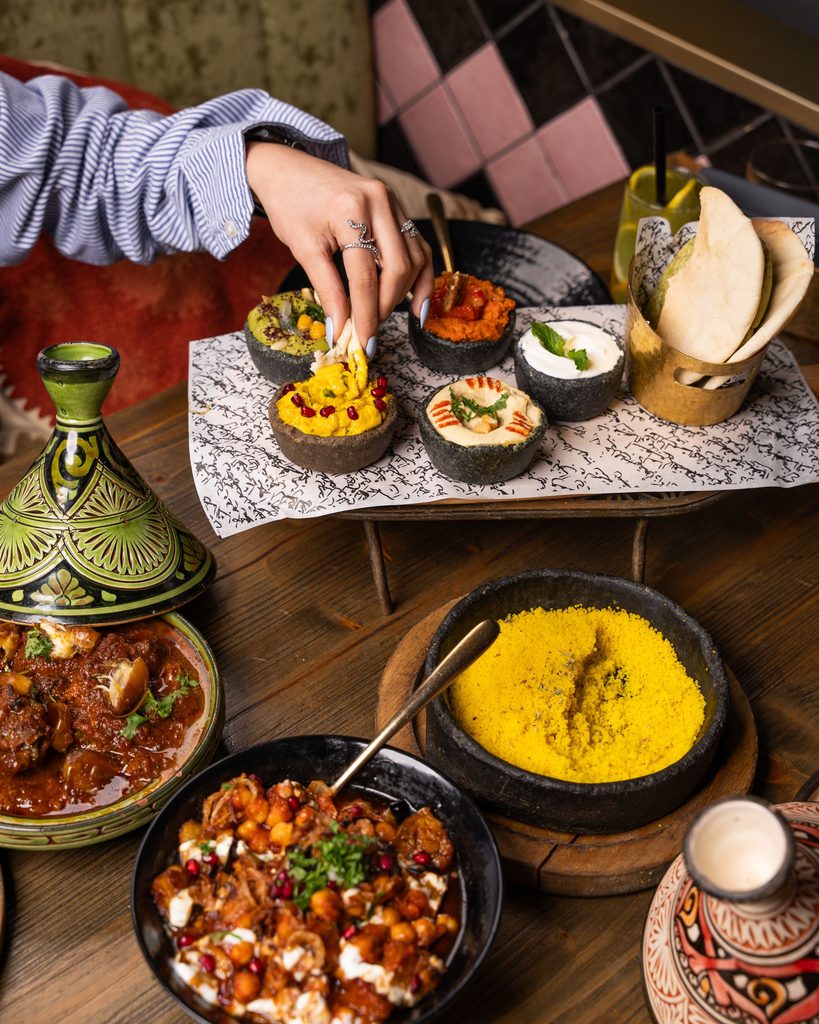
It is the warmth of terracotta bowls, of slow stews, of spices that have traveled across deserts, of lemons softened over weeks, of mint gathered at dawn.
It is the warmth of a kitchen that remembers centuries.
And in this warmth, there is stillness — the same stillness you found in Nordic kitchens, but shaped by different light, different landscapes, different histories.
October’s food culture is not about recipes. It is about palette, patience, and place.